.Psycho Dercorating – What your Home reveals About You.

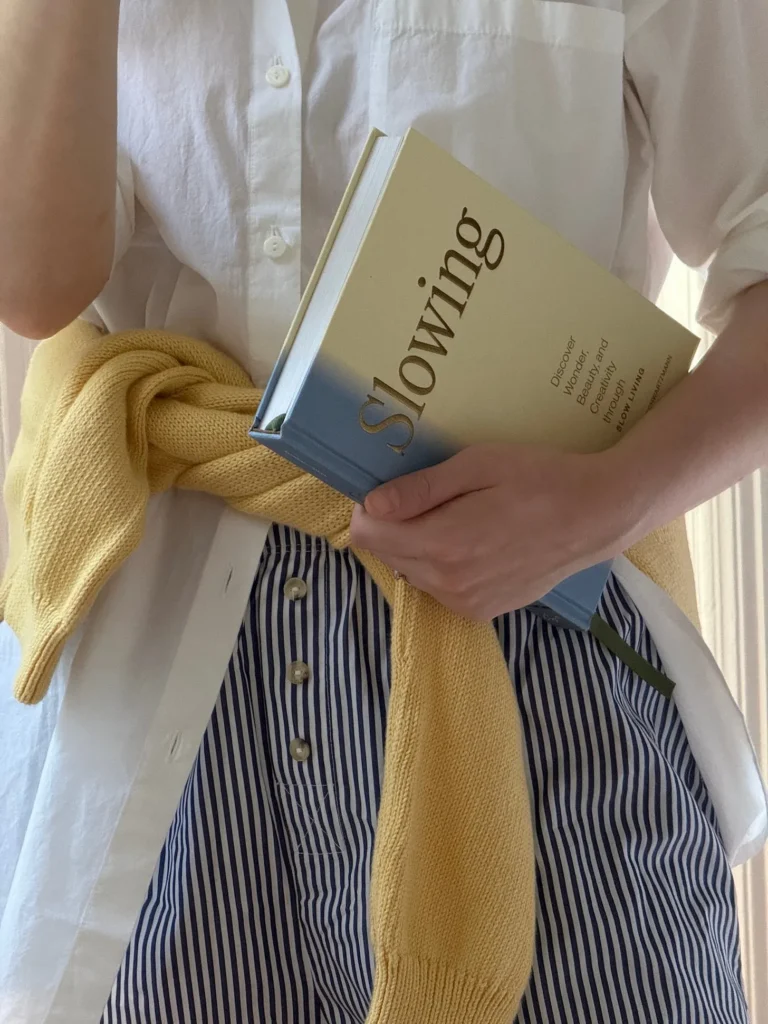
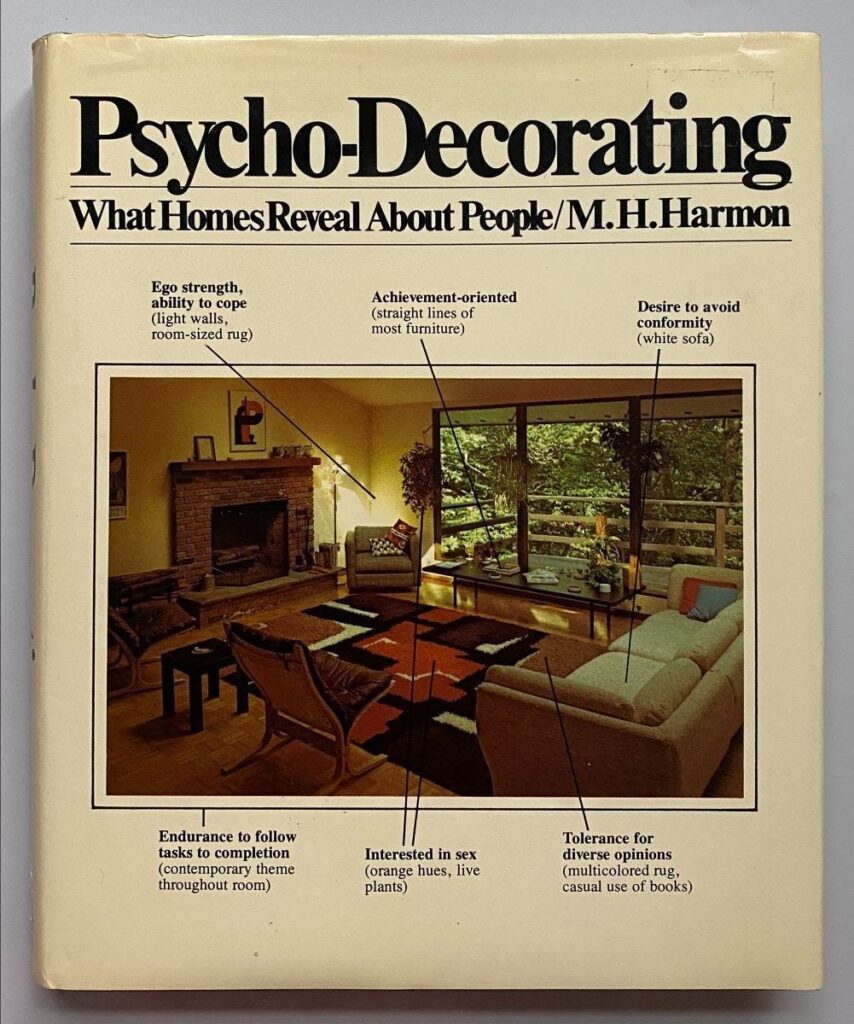
One of the books I’ve been reading this past month is Psycho-Decorating: What Homes Reveal About People by Margaret H. Harmon, Ph.D. Harmon was an American psychologist who wrote this book in 1977 analyzing the relationship between the personalities of people and their homes. It’s a little hard to come by and can be pricey, but there are usually a few copies on eBay. Collecting books on art, design, history, and interiors has been an important part of my life ever since I can remember.

What is psycho-decorating?

One of my small pleasures is being invited into someone’s home for the first time. It’s such a significant moment. Sometimes, we see snippets of people’s homes because of social media. Their kitchen counter, office nook, bedside table, and dining room. You see these different vignettes of their home, but it’s not until you visit their home for the first time that you can piece it all together. Of course, this makes sense! This is the layout! This is so their vibe! This is beautiful! If you go into someone’s home and it accurately represents their personality, you know they’ve done a good job at decorating their space. 

Psycho-decorating is defined as the connection between the psyche and the interior decoration that a person creates.

There are exceptions, which Dr. Harmon does note in the book. Maybe someone’s too busy with work or going through something tough in their personal life. Another scenario I can think of is maybe they live with roommates and they’re not able to express themselves beyond their bedrooms. There are a lot of factors, but for this, we’re going to assume that people are intentionally taking the time to decorate their spaces. Note: this book was written in 1977 and some things may have changed since then.

When it comes to my own space, I’ve thought about how much has been updated, since I moved about a million times already. My first couch in NYC was gray and from KEA. My second was a light brown corduroy sectional also from IKEA. My current one is brownish and was taken from the previous owners since it was almost new and hands-down the most comfortable and practical one I have ever had. And most likely, I’m bound to go through a couple of more couches. 

Textures and patterns

As people, we’re constantly growing and changing, so it only makes sense that our spaces also go through edits, too. Some things you’ll want to keep around in every space you’re in, like a great lamp, valuables trinkets or a favorite piece of art. But we tend to want to update pieces that can bring a more drastic change into our space, like a rug, or a good bookshelf.

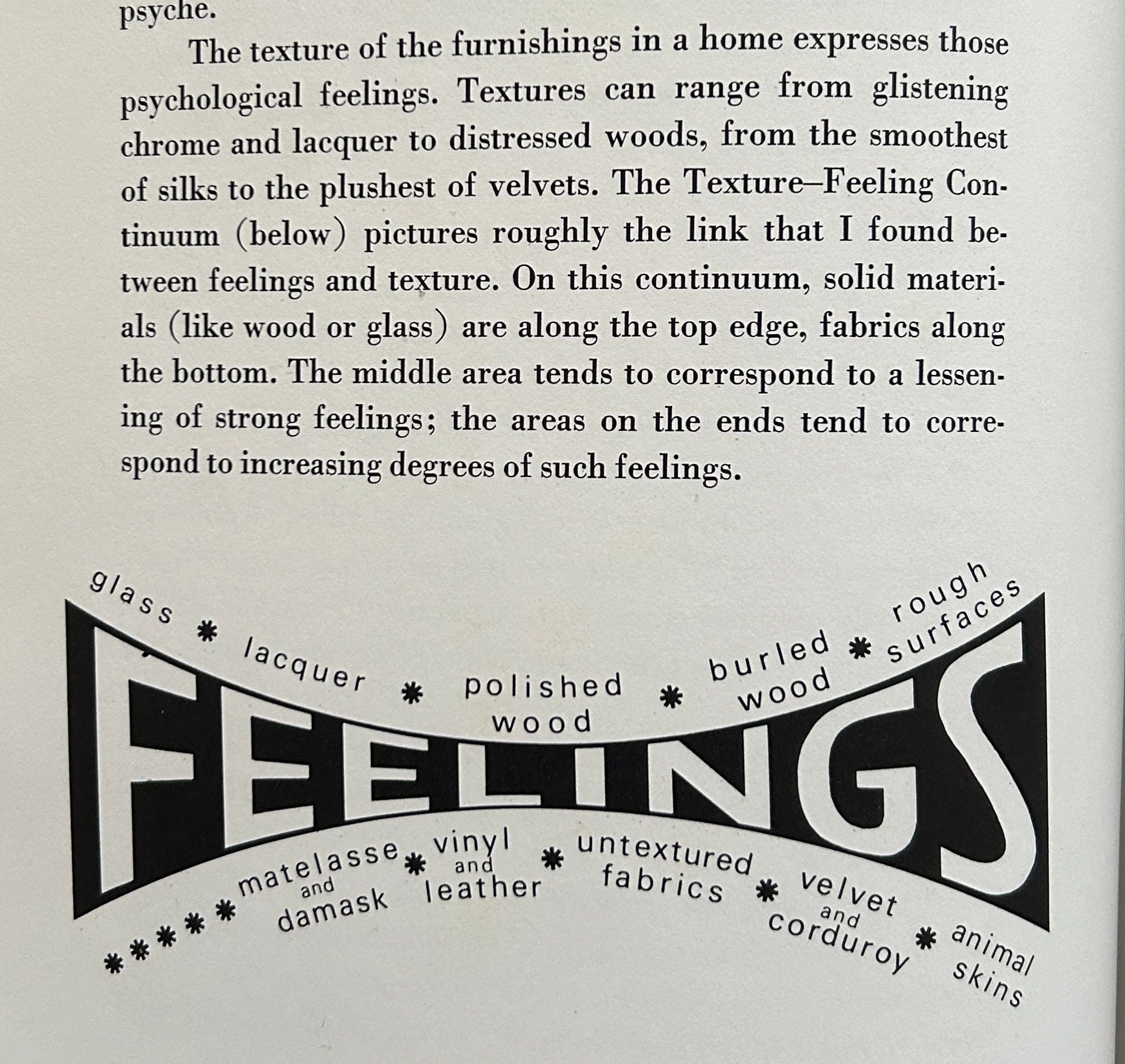
The Texture-Feeling Continuum

This interesting excerpt is regarding women who gravitate towards velvet and corduroy:

“Turning towards textures at the extreme ends of the continuum, women who are high in sexual needs are inclinded to use velvet or curudory in their living room sofas…their preference for deeply textured fabrics may reflect their strong affective feelings…[These fabrics] were also favored by women with highly-developed consciences and feelings about social justice, but they like to include a variety of other textures along with the velvets. They are partial to burled wood…[and] as a counterbalance, [they] also like to include some furniture covered in leather or vinyl.”

It also points out the most telling signs to look for when uncovering someone’s personality through their decor: straight vs. curved lines in furniture, texture, pattern, symbols and signs, and color, to name a few. 

“Patterns can supply cues about interpersonal relations. Using many patterns in one’s living room, I’ve found, indicates friendliness, sensitivity, and ego-strenth (the ability to cope). Those who like to be independent of other people and free to follow their own inclinations tend to use fewer patterns in their living rooms. People who wish to be friendly not only tend to use more patterns but they like to use curved lines and avoid straight ones on their living room chairs.”

The fear of decorating

You can also tell a lot about someone based on how they talk about decorating in casual conversation. Some people may be scared to make mistakes (even though that’s such a big part of decorating your space and finding out what works. Some people don’t think they’re capable of making decisions on their own, so they hire an interior designer to do it all. Note: it’s not bad to hire an interior designer, but a good interior designer “…believes that clients should not abdicate completely all responsibilities, but should make their tastes and feelings known to their decorators.”

“For most people, however, refusing to take part in the decorating of one’s home seems to represent a refusal to step into the unknown parts of one’s personality, perhaps because one’s standards are extremely high or possibly one’s self-image is low.”

The strongest home decorators are those who have a desire to “assert individuality and a willingness to depart from the beaten path.” I believe that all the objects in our homes are what make our homes our homes. We’re proud to have them on display because they represent us and help us express ourselves through our spaces. 

The rest of the book is filled with even more gems, like what it means if only one person in your household decorates (me!) or how to properly read someone’s coffee table. Not everything will apply to every person, but I do think it’s interesting this book comes from a psychologist in the 70s. I still have more to read so I’ll need to do Part II. But I’ll leave you with another excerpt of things to keep in mind:

“People’s homes contain signals about the way they look at life. Is a person open-minded? Do [they] view the world as is, or is there a tendency to look at it through rose-colored glasses? What are some of the clues that can tell you about these important atttudes?

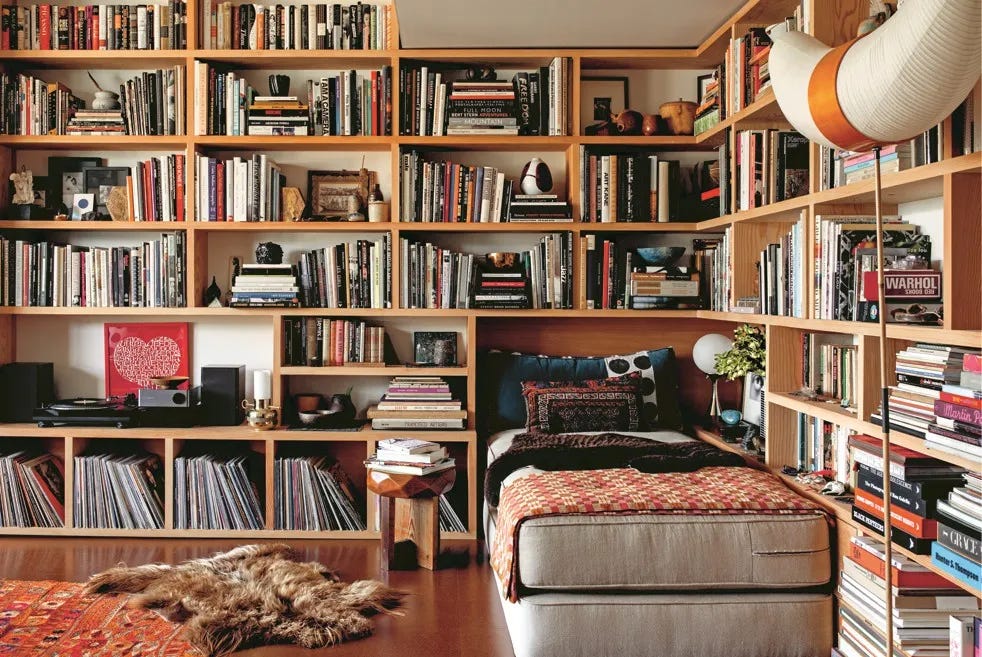
One of the surest indicators is the presence or absence of bookshelves in the living room. Tolerant individuals, willing to entertain new ideas and diverse opinions, are more likely to have bookshelves in their living room. People who do not have bookshelves in their living room tend to be somewhat dominant and aggressive in their attitudes. Perhaps they are slightly less open to viewpoints different from their own.”

It’s fascinating how we pour ourselves into our spaces—our wall colors, bedding choices, taste in rugs, and dining table decisions all stem from somewhere within us.

Also, if you find this book anywhere online, please buy me a copy.

.Gyno Advice.

© Gemma can fly / Stocksy United

My gynecologist suggested that, since I am approaching 45 (sigh!), it is time for a mammogram. This is what women your age have to go through, he added. He explained the procedure to me, and I left his office with weird feelings. This will hurt for sure, I thought. Well, how can it not? Your boob will be squeezed to the size of a f***ing pancake. If you have read my previous articles for a while now, you might know that I love to overanalyse things and think things through, ha! So, below I share my thoughts on how I imagine this meeting on the invention of the mammogram machine for breast cancer prevention must have gone.

APRIL 1965
MEETING TO DISCUSS 
BOOB CANCER PROBLEM

CARL: Gentlemen, I have some unfortunate news: We’ve just discovered that cancer can grow in women’s breasts.

TED: Oh no. That is going to ruin breasts for me.

FRANK: Me too.

CARL: As medical professionals, it’s incumbent upon us to invent an early detection system so this disease doesn’t ravage perfectly perky gazongas.

JOE: Couldn’t we just, you know, feel for it?

CARL: Unfortunately, not all cancers can be detected with a good old touch.

JOE: I hear the Germans are doing great things with X-rays. Maybe we can get women to take off their clothes for electromagnetic radiation.

FRANK: Hmm, I like the “take off their clothes” part, but not doing something tactile feels like a missed opportunity.

TED: Ooh, what about a machine that the boob has to be physically placed inside? Like, by us.

JOE: Yes! It could be manhandled onto a steel plate.

TED: Emphasis on the man!

JOE: And the room could be kept at subzero temperatures, so women get those cute little goose bumps.

CARL: I believe the scientific term is “piloerection.”

TED: Yeah, because they give me a pile of erections.

[Sound of a high five]

JOE: And then a vice could crank down onto the tit and flatten it to the height of a vinyl record.

FRANK: What record?

JOE: Bob Dylan?

TED: Shouldn’t it be a woman?

JOE: Right. Joan Baez?

TED: Great boobs.

CARL: So the vice crushes the udders until the woman worries they might burst?

JOE: Exactly.

TED: Can they burst?

CARL: I’m not sure.

FRANK: Me neither.

JOE: Should we order lunch?

CARL: We’ll need a way to mark the nipple so it doesn’t look like an abnormality on the image.

FRANK: Right… what about an industrial adhesive tape that would come very close to ripping off the skin?

JOE: Smart.

TED: And if the nipple does rip off, we could stop the milk from pouring out with our mouths.

CARL: Naturally.

SANDRA: Maybe we could also use this technology to detect cancer in men’s testicles.

TED: …

CARL: …

FRANK: …

JOE: …

CARL: Sandra, could you get us lunch? I have a strange craving for pancakes.

[Audible sigh]

JOE: Here’s a question: What if smashing the hooters permanently damages them?

FRANK: Oh, god. That would be worse than cancer. Maybe we could invent a separate procedure to plump them up. Like, an augmentation.

TED: Yes! We could offer it to all women, independent of the cancer stuff.

JOE: Absolutely.

FRANK: It would only be fair.

CARL: Well, gentlemen, this has been very productive. All that’s left is a name for the test.

JOE: How about the Chest Ray?

FRANK: The AwoogaTron?

TED: The Come to Papa 3000?

FRANK: The Gusher Crusher?

JOE: Pillow Press?

FRANK: Tit Stop?

TED: Teet-o-gram?

JOE: Can-o-gram?

TED: MAN-o-gram! You know, since we invented it.

CARL: Oh, that’s good.

SANDRA: Here are your pancakes.

JOE: Thank you, ma’am.

[Gasps]

TED/JOE/FRANK/CARL: Ma’am-o-gram!

.Why Can’t I Be as Smart As You.

If there’s one question I get all the time, it’s “Why can’t I be as smart as you?”

This is a good question, for which I have a brilliant answer.

I am extremely smart. Extremly. No kidding. So, so smart.

Some people refer to this as being “gifted.” This term is misleading. It implies that intelligence was handed to me like a present in a box that, upon shaking, feels like it might be a video game or the keys to a vehicle with a “thumping” sound system, but that, upon opening, is just a sweater with an embroidered pussycat on it that gets you beaten up when you wear it to school three days in a row. But my genius is not a gift, nor does it spring from textbooks or manuals or the ramblings of my so-called teachers, professors, employers, and parole officers. My brilliance is a tree that grows in the fertile soil of experience, and extends 74 km into space, where it catches passing satellites, which not only hang from its beautiful branches like multimillion-euro Christmas ornaments but also impart to my brilliant tree all of their satellite knowledge. This is how I know the coordinates where someone is or what someone did (or didn’t do) even though they tell me they never did X, Y, and Z. I can detect almost anything because I am so smart. It’s also why you get such great cell-phone reception in my presence.

In short, unless your brain is a 74-km-tall tree that catches satellites, that’s the first reason you can’t be as smart as me.

Second, I know the answer to every question that has ever been asked and that can ever be asked. Each and every answer is written on a sort of cheat sheet that I keep folded up under my watchband (which may sound like cheating, but it’s not, because I memorized all the answers when I wrote them down, so I don’t ever actually look at the sheet—I just like knowing it’s there). You may ask (and I knew you would, because it’s on my sheet) how it could be possible to get such a wealth of information onto a piece of paper that could be folded up and put inconspicuously under my watchband. The answer is lasers. (“Lasers” is also the answer to almost all the other questions that have ever been asked or could ever be asked, so if you less intelligent folks find yourselves facing a tough question, try just answering, “Lasers.”) But these are not ordinary lasers. They’re special lasers that I invented, potty-trained, and put through school. And they write their information in a typeface that I also invented, which can only be deciphered by a person like myself, a person whose IQ is an infinity symbol.

To summarize, unless you can read the infinity-IQ typeface written by special homeschooled lasers and happen to have made a cheat sheet containing all the answers to all questions, that’s the second reason you can’t be as smart as me.

There are 847 more reasons why you can’t be as smart as me, but our time is short, and, really, is there any point in dwelling on that which you can’t change? (The answer is no. But if you said “Lasers,” you were close.) If you would like more information on your inability to be as smart as me, send a bottle of Jim Beam, a pair of binoculars, and a self-addressed stamped envelope to: “Smartest Woman in the Universe.” You don’t need to write anything else. They’ll find me. The law always does. Reason No. 8 involves sticky buns, and Reason No. 612 details my nightly aluminum-foil mummification ritual. They’re all good reading and well worth your investment in time, bourbon, binoculars, and stamps.

To conclude, there are many reasons you can’t be as smart as me, but my hope is that when you see giant trees extending into space you’ll think of me and my mind, and be inspired to leap into the branches of those trees and begin to climb, reaching ever higher, until you grow too tired and hungry to continue and eventually fall and wonder why you even tried to ascend to the heights of my genius.

If I could say one final thing to each and every one of you, it would simply be this:

Lasers.

.Phone Addiction.

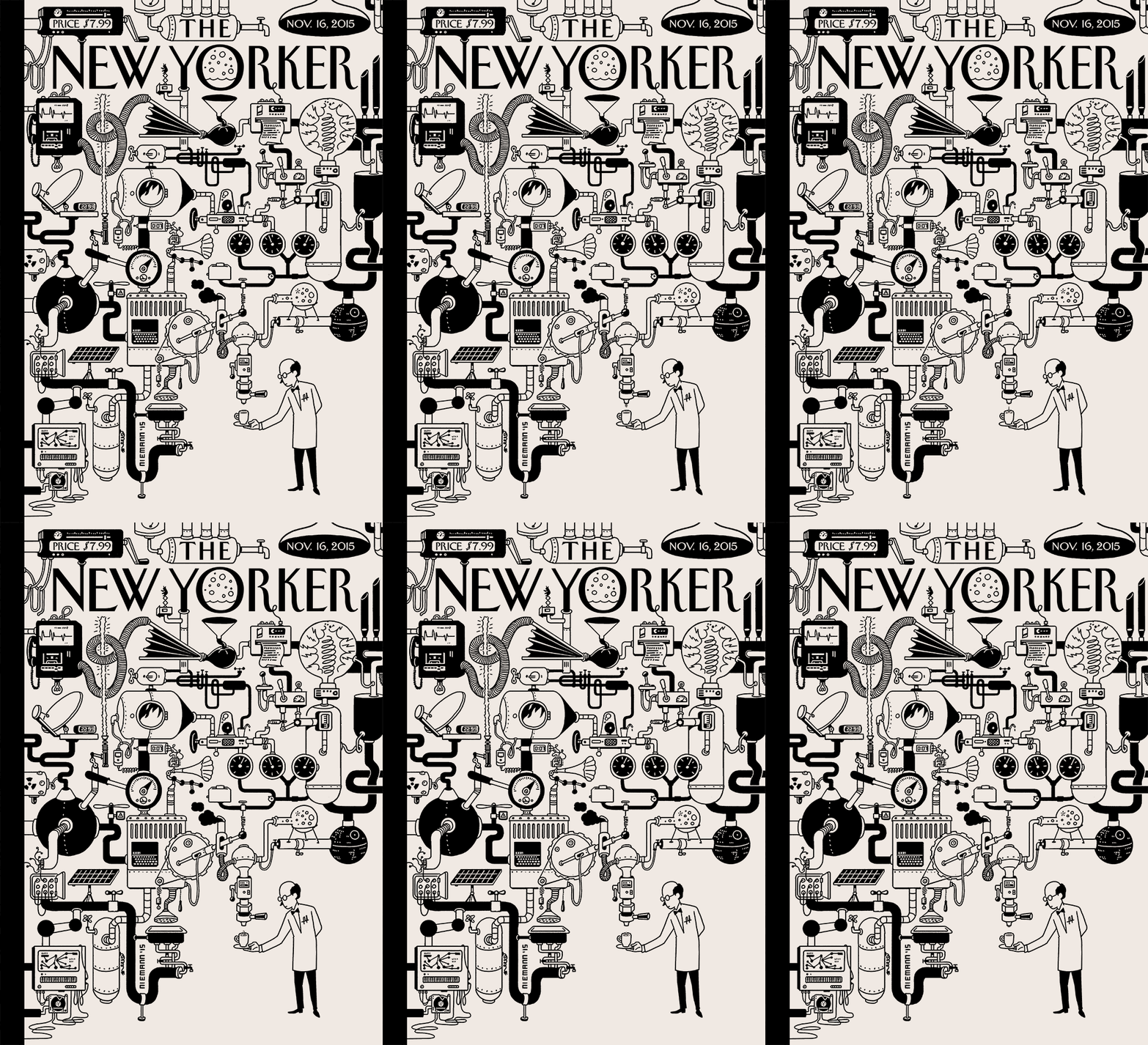
via The New Yorker

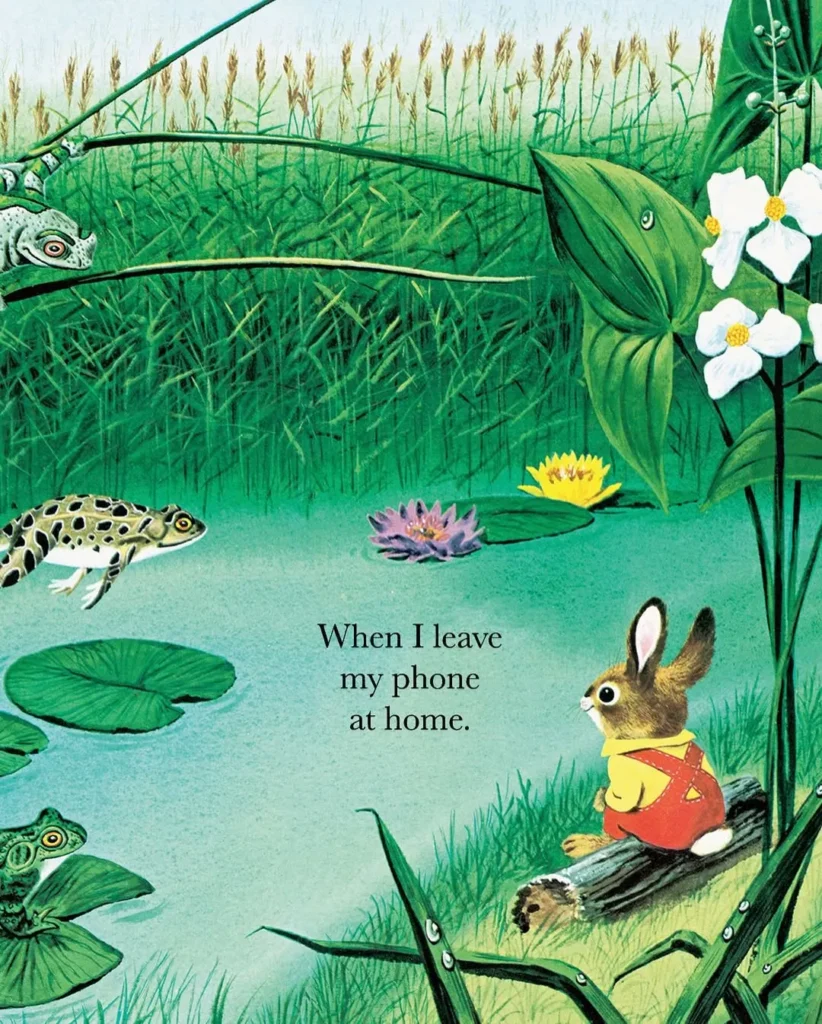
I have spent the last several weeks without my phone tethered to my side, and I need to tell you, it has been glorious. 

Not in a dramatic, life-altering, let’s-sell-everything-and move-to-a-cave-in-the-woods sort of way. Just quietly, steadily better. 

I started small. Leaving it in the bedroom while I drank my coffee. Tossing it in my bag and not reaching for it while moving through the day. Letting it exist somewhere nearby but not on me, not glowing, not asking anything of me.

This gave me a lot of anxiety at first. 

Someone texted me, and they’re going to think I’m ignoring them. So and so texted again. They definitely think I’m ignoring them. What if it’s urgent? What if I’m missing something? Am I being rude?

It took about a week and a half to realize something very simple. This is not my problem.

We have collectively agreed—without actually agreeing to it—that we are available at all times. That every message deserves an immediate response. That silence, even for an hour, is suspicious. And I just… opted out.

Nothing bad happened. No one’s life unraveled because I answered later or the next day. The world did not end because I was unreachable for a stretch of time. The texts I feared could be urgent were not.

What did happen is I got my attention back. And once my attention was mine, everything else followed.

I started doing things that have been sitting quietly on the sidelines of my mind for months.

I deep-cleaned my house. Which, I have to say, was both difficult and highly satisfying. I deep-cleaned and organized parts of my big garden and I had been politely ignoring for an embarrassing amount of time. I built things with my own two hands, slowly and imperfectly, but completely.

I returned to reading and writing more. Not skimming or paying half-attention while checking on something else, but actually reading. Letting my mind stay there, undisturbed.

I’ve leaned into small rituals of self-care. Longer showers. Skincare that’s not rushed. Taking the time to get dressed and trying new outfits. Making a real breakfast. Moving more slowly in the mornings. Letting things take the time they take.

I’ve spent more time with my family in a way that feels undistracted. Conversations that stretch. Details obtained and remembered. Moments that aren’t interrupted by the impulse to check something, respond to something, or appease a short attention span by scrolling. There has been connection in a way that I didn’t really realize had been missing until I got it back again.

Work has expanded in a way where I’m accomplishing more than I did before. I’ve been more present and focused on the task in front of me rather than splitting my attention or getting distracted and pulled away in different directions.

And Instagram—honestly, Instagram who? 

I cannot tell you how long that app has had a strange, low-grade hold over me. Not in a way that I enjoyed, but out of habit. Boredom. Pick up phone, tap icon, scroll, repeat. I don’t get on for days now. Days! And it’s fucking incredible. I don’t miss it. And when I do get on, I’m off within a few minutes because I’d rather be doing something else.

There’s actual data behind these claims, which makes it all feel a little less anecdotal and a little more alarming. The average person checks their phone between 90 and 150 times a day. That’s once every ten minutes or so. Screen time reports regularly clock in at between 3 and 5 hours daily. Studies have been linked to increased anxiety, decreased attention span, and disrupted sleep. This figure is startling. Even more startling is that most of us have been aware of this for years, but continue justifying our phone addiction while complaining about our anxieties and not having any time. I definitely did. 

It’s not that technology is inherently bad. It’s that it’s constant. And anything constant becomes pressure. Expectation. A subtle anxiety that we should be checking, responding, looking, knowing, and refreshing. And if we don’t, oddly, we feel behind or like we’re missing out on something big. We’re not. 

Putting the phone down will not fix all of your problems, but it removes that hum. And in its place is something much quieter, something much more yours.

I’m not saying that I won’t be on my phone, on social media, or online. Of course I will. But things felt different for me over the past few weeks, and gave me some perspective.

I don’t have anything revolutionary to offer here. No system, no rules, no rigid boundaries. 

Just this:

Try leaving your phone in the other room when you’re at home. Leave it in your bag while you’re out. Go about your day without it in your hand, by your side, or in your pocket.

It is allowed.

You are allowed not to respond immediately. You are allowed to not be reachable at all times. You are allowed to move through your day without documenting it, interrupting it, or reaching for it.

The addiction is real. That part is undeniable. It’s kind of miraculous how quickly things shift once you create even a small amount of space from it.

I wanted my time back. And without much ceremony, I took it.

.OverSpending or Spirited Away.

One morning, I woke up, and it was like a spell had been broken the way I looked around my house and saw how dull everything was, not because it was lacking but because of how full it was of stuff.

Stuff I didn’t particularly love. Stuff with no serious meaning to it. Stuff I didn’t care about. Stuff that, if you had secretly tossed, I wouldn’t even realize went missing. Stuff I bought because it was trendy at the time, because my friend had it, because I had seen attractive influencers brag about it on Instagram, and it made me think that I could be her.

So, I did a bit of Marie Kondo-ing and produced a few large bags of clothes and trinkets, and stuff for donation. Standing in front of all my stuff, it hit me that all of it used to be money, and all of that used to be time. I was standing in front of the metabolic waste of my existence, materialized. I was looking at the amount of my time, therefore my life, that had been turned into garbage. And the worst part is that I could’ve prevented it.


Materialism isn’t inherently evil; it can be gorgeous through the frames of abundance or art. Miranda Priestly’s “stuff” monologue from The Devil Wears Prada, for example, shows how material creates jobs, fuels culture, and shapes history.

This is the mindset that will make you waste your life away into bags of garbage: the idea that shopping is a material issue, and overconsumption is a budgeting problem, rather than a spiritual problem. It’s easy to be spirited away, whisked into another world operated by desires that come from ads and friends and fleeting trends. Your appetite for novelty and your fear of missing out sucks the joy out of you—the more you eat, the hungrier you are. The more you spend, the more vapid you fell. You lack spirit, not another fashion idenity. You don’t need another aesthetic, you need stronger values.


Do you know the movie Spirited Away? If not, go watch it because it is super good. The title Spirited Away in Japanese is Sen to Chihiro no Kamikakushi, and kamikakushi means “hidden by the gods,” a folk belief where people mysteriously vanish into another realm. This film is about magical abduction and losing your identity. Chihiro loses her name and becomes “Sen”: to be spirited away is like being stolen from yourself, forgetting who you are under the influence of forces like greed, fear, anger—and who’s to say that emotions aren’t magical? That desires aren’t demonic possessions of the mind (“demonic” meaning “godlike divisive superfactor” in Greek)? Who’s to say that feeling horny isn’t its own kind of spell? We literally use “mania” and “craze” to describe the way people desire something.

Lust, for example, is the feeling of wanting something really badly. It doesn’t have to be a carnal desire but it’s about a possessive craving that ends in a feeling of collapse, an appetite that, once appeased, reveals its emptiness:

Lust is the deceiver. Lust wrenches our lives until nothing matters except the one we think we love, and under that deceptive spell we kill for them, give all for them, and then, when we have what we have wanted, we discover that it is all an illusion and nothing is there. Lust is a voyage to nowhere, to an empty land, but some men just love such voyages and never care about the destination. 

Bernard Cornwell

Shopping (especially for books) has this effect on me, the voyage is more satisfying than the destination. There is such thing as post-purchase clarity: the moment when you buy something trendy and you suddenly sober up to how much you don’t care about it (let alone like it); you just want to be seen having it.

Who is No-Face?

Birkenstock because I am German. No socks but with face, though.

Spirited Away is most known for the character with the least lines: a masked ghost who can conjure gold. He has no backstory, we only know that he is banned from entering the bathhouse. Chihiro, out of kindness, lets him in. No-Face is refused service at first, but the staff quickly compromise their values upon seeing his gold. They serenade him, “Welcome the rich man. He’s hard for you to miss. His butt keeps getting bigger, so there’s plenty to kiss!” while they fight for the gold nuggets that plop out of his fat hands. Then, he devours the workers in despair when he realizes their kindness is bought, and only Chihiro is genuine.

The painful part of loneliness is the realization that most people are ass-kissers and friendship is rare. Likewise, people feel the most alienated when they suddenly sober up to the fact that most of their desires are herd-driven, that most of them are no where close to the truth, if they even have a clear enough sense of what that is that matters to them. It’s like waking up from a trance state and realizing, What have I done to myself? I certainly felt this way standing in front of my garbage bags. Loneliness, alienation, addictions and self-defeating loops—these are not material problems, but ‘desire’ problems.

We think we want things, but every desire points to a way of life, a kind of person we long to become. Objects seduce us not with their utility but with their promise of transcendence—status, attention, belonging. That’s why No-Face has no face: he is desire itself, the appetite to become, the emptiness that consumes while wishing it were someone else.

Money reveals this: In Roman mythology, the temple of Juno Moneta was both sanctuary and mint (it’s where we get the words “money” and “monetary”). To strike a coin was to sanctify it with divine authority, so it circulated as both economic and spiritual power. It still does: money organizes meaning. Fiat currency works because we collectively believe it means something—fiatliterally “let it be” in Latin—its meaning assigned by our shared narrative. And because money is tethered to desire, it doesn’t just reflect value; it follows it. It’s the pull of eyes when a sports car glides down a street. Shopping is not independent from the spiritual realm that strips away our names.

When we feel the weight of our limits, we start reaching toward idols to imitate, goals to chase, places to explore, people to meet. What we’re really chasing is a sense of immortality or infinity, something that lives longer than we ever will. We want to be remembered long after we’ve left a conversation, the company, the world. 

Desire is never about the object itself. If it were, once you acquired it, the desire would vanish. Yet, your wardrobe keeps getting stuffier while you still find yourself with nothing to wear. Desire is about what the object seems to promise us: a fuller, richer existence. This is why Marie Kondo’s “spark joy” test is great: it reframes consumption as discernment. It asks whether an object raises your spirit or weighs it down. Left unchecked, your possessions take away your freedom to be who you are. As Fight Club says, “The things you own end up owning you.”


You are not your job, you’re not how much money you have in the bank. You are not the car you drive. You’re not the contents of your wallet. You are not your fucking khakis.

Chuck Palahniuk (Fight Club)

Stronger values make you spend more mindfully because they shift the axis of desire. When you know what you worship—what you actually stand for and who you want to become—everything gets tested against that vision. Values act like a sieve: they filter out the empty cravings that come from comparison and they let through only the things that genuinely serve your spirit. Without values, desires lead you astray by following ads and algorithms and the envy of friends—a state commonly known as “being distracted”. 

The scariest part of Chihiro watching her parents turn into pigs is that they could’ve simply walked away. The unattended food stalls feel like a test of whether one can resist charming distractions. Like the family in Spirited Away, you’re rarely forced to follow one desire over another (until you choose wrongly, and only later realize what you’ve done, if you realize it at all). But if you aim at your highest value—placing no other gods above it, coveting nothing of your neighbor’s—you free yourself from the distractions that split your soul and can refocus your being on becoming who you want to be.

Now, it’s unlikely for wealth to make one miserable. My point here isn’t that money is unimportant; it’s that if we have money without love, freedom, and a well-understood life, we will never be truly happy. And if we have them, but are missing the fortune, we can never be truly unhappy. It’s nice to have an expensive watch, but the watch will never be enough — feel enough — without having someone who will make you lose track of time.

.It is What it is.

“I’ve learned to value failed conversations, missed connections, confusions. What remains is what’s unsaid, what’s underneath. Understanding on another level of being.” – Anna Kamienska

It is what it is. This statement could simply define our collective malaise. Lately, I have been catching this phrase uttered repeatedly. Another bullshit at work: it is what it is. A breakup: it is what it is. A missed deadline: it is what it is. Wars all over the world: it is what it is. Lost keys: it is what it is. The TSA demonstrations and super long lines at the airport: it is what it is. New prices on gas and electricity: it is what it f***ing is. The GIZ fee even though I pay for internet and have no TV or radio: it is what it is!

Sometimes there is an optimism to these words. It is what it is, and I can find a way to tolerate the circumstances and work with what it is. Then there is a shrug of resignation, it is what it is and there is nothing I can do about it, nothing to work with. Both lenses hold a truth, but where the former offers acceptance, the latter brings an abandonment of hope. 

Perhaps, I abandon hope as a way to protect myself. When things are difficult, uncertain, and weird, my responses get hard, rigid, and defensive. So, if it is what it is, how do I “dance” with what is? 

I begin to find something to value in the circumstance, in this mess, I can sometimes find something miraculous. If I cannot find something to value, maybe I am stuck in some weird mindset. Maybe I am trying to change things, trying to dissect things, trying to win at things. But in the trying, I often muddy the water that is best cleared by leaving things alone. 

To me, it becomes a dance between taking responsibility for what I can control and find value within it, and leaving alone what I cannot. That is perhaps the difficulty. I keep splashing about because I don’t want to lose something, be it an expectation, be it an opportunity, be it hope. But finding a way to be okay with whatever it is becomes about accepting loss. 

Are you still with me? I hope you are. 

One of my favourite poems is One Art by Elizabeth Bishop, a prompt to ‘lose something every day.’ This is a practice because I don’t want to lose things. I want to hold on tight. I don’t want to accept it is what it is, because then I lose what it is not. But as Bishop opens the poem, ‘The art of losing isn’t hard to master; so many things seem filled with the intent to be lost that their loss is no disaster.’

Sometimes how it goes feels like a deluge of loss. Lost keys, lost love, lost experiences. But perhaps that deluge is leading us to something and helping to soften us into the dance. As Anne Lamott wrote, “When a lot of things start going wrong all at once, it is to protect something big and lovely that is trying to get itself born—and that this something needs for you to be distracted so that it can be born as perfectly as possible.”

Sometimes, this distraction allows me to step back and see what THIS really is. To uncover what I might have been long ignoring, to extract the reality from a fantasy, to hold the good bits and the not so good bits. Sometimes, this distraction is teaching me to hold things lightly. To learn a bit, to laugh a bit, to let it go. Sometimes, this distraction is showing me what I really need. 

Sometimes, this distraction is teaching me to brace uncertainty with love, rather than resistance. Then I tell myself that it all may look like a wreck, but I go at it like it is a new opportunity, a new challenge. And I bring love to it all. Any disaster I can survive is an improvement in my character, my stature, and my life. 

“Every storm runs out of rain” – Maya Angelou 

I don’t know when I will meet another storm. That is the basic truth of life. It is unfair and it doesn’t make sense. But if I can bring love to the moment, maybe in time I won’t mind so much, or at least find myself caring about certain issues less. I just don’t mind that much anymore what happens and this way what is can be what it is. From my side, there is no resistance (doesn’t get me anywhere anyway), aversion, gasping or chasing around in a spinning wheel. This does not mean I become passive. It simply is what it is, this is what I need, I don’t mind what happens are all forms of acceptance that allows me to greet my wants, goals and desires and work toward them, without worrying about how something will turn out. 

So, to sum this all up. You worry and resist, you grasp, but it will be what it will be whether you worry, resist or grasp. You can sometimes lower your expectations to ensure you aren’t hurt by whatever it will be, but you can still encounter hurt. It is what it is. Whether I lose something, whether someone is disappointed in us, whether something turns out differently from how I expected. All I can do is keep going with what is, finding the love in it, accepting and soften. So my sharp edges don’t wind up being death by a thousand cuts but I can mould to what is, instead. After all, it is what it is, and it is also this. The surprise phone call from a friend, this memory, this person who loves you, your kid(s) who love(s) you, this smile, this idea. Just look around at everything beautiful in your day. Take it all with you – what it is, what it is not, what you have lost, what you have gained, what you are waiting for, what has arrived. And then just dance with it all.

.Introduction to Free Time.

Sometimes, it is not about working all this overtime and cashing in. It is also important to have actual time off to do what makes you happy. For example, to spend time with yourself in that house or apartment you are paying for, because money is not everything. You will never get back that time. Unless you subscribe to Free Time. This is how you can get all your time spent at work back. Remember: Subscribe to Free Time.

From the innovators who brought you Taking a Nap and Just Chilling, Free Time is a luxury experience beyond your wildest dreams.

Free Time isn’t just a new product—it’s a total wellness optimization platform. It’s not an app but rather a mind-blowing vessel of unstructured time where you can do anything your heart desires, or nothing at all.

Your Free Time comes loaded with options that are as boundless as your imagination. You can lie on the couch and read a novel, or just space out and drool. Go for a walk if you want. Stop and stare at a bird and take dozens of pictures, if that’s your kink.

Do you want to buy a big pretzel and eat it for twenty minutes, even though that sounds like way too long? Go for it. This is Free Time. Dip it in cheese and stand around like an idiot while you chew your pretzel and watch everyone run around like rats. Why are they all so fast and angry? Because they don’t have Free Time.

Want lower blood pressure? Less work anxiety? Fewer violent urges? Free Time delivers all of those.

Would you like to wander around a nearby park, randomly try a headstand, then give up, and buy three different types of tacos? That’s been a core feature of Free Time since day one.

Our competitors offer products like “Overscheduled Vacation” and “Performative Hobby to Brag About on Instagram.” But peer-reviewed studies show that these products require constant maintenance, and Free Time is up to 83 percent more effective at letting you just lie in the grass and twirl a stick while you think, “Dude, life awesome.”

We’ve even upped the ante with Free Time 2.0. In previous versions, a random birthday party for your coworker could sneak onto your calendar, destroying your Free Time. In 2.0, we’ve removed him and you won’t see his text messages anymore.

Questions? Read on.

FAQS

“Isn’t Free Time for kids? It feels morally wrong for me to have some.”
Absolutely not. Free Time is suitable for all ages.

“How come I’ve never heard of Free Time before?”
Because society is sick.

“How do I activate the ‘do nothing’ feature?”
This is one of Free Time’s most popular features. To activate, simply fire up your Free Time, then don’t do anything else.

“Is Free Time bad for me?”
No. Who told you that?

“My wife/husband/in-law learned I have Free Time, and they became aggressive.”
Don’t worry. Your purchase includes a defense guide with quick responses—e.g., “I am a human, and all humans need Free Time!” or “Hey, look, a squirrel!”

“A coworker FaceTimed me during my Free Time and asked, ‘Hey, you coming to my birthday party?’ Help!”
Contact customer support. We will deal with him.

“I feel like I’m letting everyone down when I have Free Time. How do I stop the shame?”
These feelings are natural. Just fire up your Free Time. Then wander over to a matinee movie and eat a large popcorn. Then, go home and read a book called An Illustrated History of Dragons and have pancakes for dinner. The guilt will recede into the background.

“Should I answer my phone during Free Time?”
We don’t recommend it. It might be a call from your uncle, who just got out of prison and wants you to invest in his personal cryptocurrency, T-Coin. Don’t pick up. Don’t let him take your Free Time.

– – –

WARNING: Free Time has been proven addictive in clinical trials. Side effects include a relaxed shit-eating grin that will make people think you’re up to no good. Free Time may make you reflect on your pathological need to overstuff your calendar to prove your self-worth. It is not refundable or transferable. Free Time is part of a balanced lifestyle that should also include “Actually Doing Things” and “Contributing to Your Family and Society.” Please use Free Time responsibly.

.The Future of Dating.

Via The New Yorker

2020

Dating sites will continue to converge with social media. Filters guaranteeing you’re never exposed to opinions not shared by your friends will now ensure you never date anyone exposed to those opinions. Programs on your phone will decide for you when and where to date—and also who, based on their browsing history. The attractiveness of the soulmate you’re assigned will be proportional to the number of advertisements you agree to watch first. During the actual date, you’ll receive constant real-time dating advice generated by machine-learning algorithms. Your household appliances will tweet constantly about your relationship status—if they ever stop this, you will feel unaccountably melancholy.

2030

If two people’s profiles are compatible, their phones will start sexting each other automatically—this will trigger at least one major international conflict. Your augmented reality contact lenses will instruct you where to find persons selected in accordance with biometric projections and DNA sample comparisons. When you approach a stranger, animatronic simulations will appear of products you might want to buy on a date and of how your future children might look. It will be possible to learn enough about a passerby to fall in and out of love with them within moments, although actually getting a glimpse of them will be tough because of the halo of real-time graphical overlays that now surrounds everyone. Your overlay will change style to suit the aesthetic preferences of whoever’s nearby and to signal your level of interest in them. All the standalone devices you own will be constantly trying to set you up. If you are ever not on a date, sensors will detect this from your eye patterns and direct your smartshoes to the optimal place for another hookup.

2040

Everyone will be able to stalk everyone else at all times. Dating sites will take over most of the traditional functions of the state security apparatus. Matchmaking robots will be the sole inhabitants of Japan, as the rest of the population will have died out from the demographic impacts of low birth rates and the preference for virtual sex partners with tentacles. It will become legal to divorce your phone. Later in the decade, through computing your intrinsic social needs and evolutionary drives, dating technology will become a victim of its own success—since 99 percent of dates now lead to marriage. A pill and a vaccine that cures jealousy will be “voluntarily” injected into everyone.

2050

Sensory augmentations will make possible ever-deeper transports of desire, as we use technology to expand beyond our biological bodies, while machines increasingly anticipate all our needs. First dates on Earth will now occur in full-immersion virtual realities. This is partly because genetic engineering will have made real humans so beautiful that anyone who glimpses one will be too love-struck to function coherently. In most relationships, at least one partner will be a simulation. Humanity will continue evolving into separate species and remain unaware of each other’s existence through social media. With the totality of the world’s information available to us through implanted electrodes, it will be possible to predict at birth who we will end up marrying, although breakthroughs in longevity tech will mean everyone has already dated everyone else in their network and is starting to feel a bit weird.

2060

Cheap teleportation will transform dating culture, as most of Earth’s human population moves to the new planet HD 40307g. By now, you’ll just have to think about what you’re looking for romantically, and chips in your brain will infer the ideal person to inflict this on you, then manufacture them out of silicone and other materials. The “Internet” will make dating less traumatic, as our emotional needs are supplied by the same self-configuring dynamic global network infrastructure that handles all other inventories. All our personalities will at last be uploaded into a massive superserver that simulates all possible relationships. If it finds no feasible relationships for you, your personal self-narrative will be definitively scanned and, in the hope of your connecting with similarly encoded entities from other galaxies, transmitted out into space, where it will be a tricky point who pays for drinks.

2070

While predictions of the future can never be absolutely certain, it’s a safe bet that after the Singularity—a technical term for the point in the future after which everyone will be single—the only surviving humans on HD 40307g will be bred in captivity, as part of a research project run by AIs. However, their online avatars will continue to have vibrant inter-dimensional sex lives—indeed, to some extent, this is already happening. Earth will be ruled by dolphins, except for the few unsubmerged land areas dominated by self-replicating 3D printers that sometimes wear humans as fashion accessories. The more sophisticated computer viruses will take on human form to go for long romantic walks along the beach, arguing about where exactly they parked. After all, the AIs destroy themselves in viral warfare, mutant sex toys will colonize outer space, and a functional crystal ball will be mass-produced, putting futurists out of business. That cute person you gave your phone number to last week will finally try to call you back, although this will be tough since by then you’ll both have been cryogenically frozen.

2080

After striking futurists smash all the cryogenics pods, to protest the invention of the crystal ball, that cute person you gave your phone number to last week, and you will be unfrozen and set free to wander through the ruins of civilization, suffering from nothing worse than minor memory loss. As the only two surviving non-futurist humans, you will be in a good position to understand each other’s pop cultural references. You will expound lengthily on your neuroses. You will try to figure out what you’d have to change about yourself to make this relationship work, and will briefly even contemplate having the relevant neurohacks implemented. Meanwhile, robot academics will follow you along the beach—this is because the original purpose of dating has been completely forgotten, and the robots hope observing you will garner clues that will help them solve this problem and publish articles about it in robot-reviewed publications. Unfortunately, by this time, neither you nor your date will be able to remember what the purpose of dating was either.

.Things To Say To a Child.

via The New Yorker

Some time ago, we watched the movie Eighth Grade about an eighth-grade girl struggling through those rough middle school years. (Have you seen it?) She lives with her dad, and one evening around the backyard fire pit, asks him the heartbreaking question, “Do I make you sad?” He talks to her about why she asked the question, and then answers: “Being your dad makes me so happy,” he says. “It’s so easy to love you. It’s so easy to be proud of you.”

“It’s so easy to love you.” I’ve remembered that line since I first saw the movie seven years ago. How beautiful are those words? How cherished would you feel if someone said that to you?

It made me think about things I’ve said to my own child — sentiments I’ve meant, very deeply — and what phrases I’ve heard from my own parents, and what I’ve heard other parents tell their kids. Of course, people show love in many different ways — giving your full attention, paying for dinner, making a bowl of cut fruit — and some people feel twitchy when it comes to direct praise and sweet nothings, and that’s fine! But if, like me, your love language is words of affirmation, here are a few things you might say to your child, if they feel right to you…


I will always be here for you.


Even when I’m mad, grouchy, or tired, or you’re mad, grouchy, or tired, I always love you.

When you’re with me, when we’re apart, when we’re awake, when we’re asleep, I always, always, always love you.

There is nothing you could ever do or say that would make me not love you.


I love to hear what you think.


I love you with my whole heart.


I love every age you’ve been, and it’s a gift and joy to watch you grow up.
I love to watch you play.

You have good instincts.


Trust your instincts.


You can trust yourself.

I’m so happy to be your mom.


I love being your mom.


You bring me joy every day.

You can do hard things. I’ve seen you do them before, and you can do them again.

You can run through the storm.

It’s so brave to feel your feelings; some people live their whole lives without being able to do that.

Whatever you feel is normal; you’re never, ever the only one.


Anything you can even think of, someone has felt and done before.

You can tell me anything.


Nothing you say will surprise or shock me; I’ve heard it all before.


I’ll never be grossed out or embarrassed by anything you tell me; it’s all normal.


I’m always here if you need me.


You’re a beautiful person.

You are always on my mind.


Thoughts? How do you show love to your children? What’s your love language? I’d love to hear. xoxo

.On Self-Pity.

via The New Yorker

We learnt self-pity when we were young. It was a sunny Sunday afternoon; you were 9 years old. Your parents wouldn’t let you have any ice cream unless you did your maths homework. It was achingly unfair. Every other child in the world was playing football or watching television. No one else has such a mean mother. It was just awful. We are all, in theory, dead against self-pity. It seems deeply unattractive because it reveals egoism in its most basic form: the failure to put our own suffering into proper perspective against the larger backdrop of human history. We lament our tiny disasters and look coldly on the grand tragedies of the world. A problem with one’s fringe or a wrongly cooked steak dominates the mind while we ignore work conditions in China, for example.

No one likes to own up to self-pity. And yet, if we are honest, it’s something we feel quite often. And in fact, it’s often a rather sweet emotion. The fact is, we do deserve a great deal more pity than other people are ever very likely to bestow upon us. Life is, in truth, horrendously hard in many ways, even if one does have a top-notch data plan and an elegantly designed fridge. Our talents are never fairly recognised, our best years will necessarily drift away, and we won’t find all the love we need. We deserve pity, and there isn’t anyone else around to give it to us, so we have to give ourselves a fair dose. The operative cause might, from a lofty perspective, seem ridiculous – poor me, I will never drive a Ferrari; it’s so sad, I thought we were going to a Japanese restaurant, and they have booked a pub. But these are just the convenient opportunities for immersing ourselves in a much bigger issue: the fundamental sorrows of existence, for which we do genuinely deserve the most tender compassion.

Imagine what things would be like if we couldn’t pity ourselves. We would be in that far worse category of mental discomfort: depressed. The depressed person is someone who has lost the art of self-pity, who has become too rigorous with themselves. If you think of a parent comforting a child, they often spend hours on a very minor thing: a lost toy, the children’s party to which one was not invited. They are not being ridiculous; they are, in effect, teaching the child how to look after themselves and giving space to the important idea that “small” upsets can have very large internal consequences. Gradually, we learn to mimic this parental attitude with ourselves and come to feel sorry for ourselves when no one else will. It is not necessarily entirely rational, but it is a coping mechanism.

It is a first protective shell, which we develop in order to be able to manage some of the immense disappointments and frustrations that life throws at us. The defensive posture of self-pity is far from contemptible. It is touching and important. Many religions have given expression to this attitude by inventing deities who look with inexpressible pity upon human beings. In Catholicism, for instance, the Virgin Mary is often presented as weeping out of tenderness for the miseries of normal human life. Such kindly beings are really projections of our own need to be pitied.

Self-pity is compassion we extend to ourselves. A more mature aspect of the self turns to the weak and lost parts of the psyche and comforts them, strokes them, tells them it understands and that they are indeed lovely but misunderstood. It allows them to be, for a while, a bit babyish – since that is actually what they are. It provides the undemanding, confirming love that every baby, but far more importantly, every adult, needs to get through the anguish of existence.

The hope is that we can, for a while, turn away from current affairs towards the elevated, the silent, and the eternal. Normally, we are immersed in practical, self-justifying outlooks that are the hallmarks of what we could call “lower” consciousness. At such moments, the world reveals itself as quite different: a place of suffering and misguided effort, full of people striving to be heard and lashing out against others, but also a place of tenderness and longing, beauty and touching vulnerability. One’s own life feels less precious; one can contemplate being no longer present with tranquility. One’s interests are put aside, and one may imaginatively fuse with transient or natural things: trees, the wind, clouds, nature, or waves breaking on the shore. From this point of view, status is nothing, possessions don’t matter, and grievances lose their urgency. If certain people could encounter us at this point, they might be amazed at our transformation and at our newfound generosity and empathy.

Fusing with nature might help and is probably better than doomscrolling Instagram or the news while stress-eating chocolate. When I feel down, I return to (and share) my go-to strategies for resetting whenever things feel particularly heavy.

Unplug (No Really, Put the Phone Down)

We were not designed to mainline news and information 24/7. Try this: set a timer for 30 minutes of phone-free time. Go for a walk without it. Leave it in another room while you eat dinner. Delete the news apps or social media for a day or a weekend. Whatever helps you break the scroll-panic-scroll cycle. 

Focus on Your Actual Sphere of Influence

This takes practice but I’m trying to focus my attention on my actual sphere of influence – the tiny actions I can take each day that can make a real impact. This can be as tiny as being kind to the people I encounter at the grocery store, spending quality time with my kid before bed, or helping a friend.

Try a Flow State Activity 

Flow state is when you become so absorbed in an activity that your brain stops spinning and time disappears. For some people, it’s working on a giant puzzle, baking a pie from scratch, or getting lost in a craft project. I find flow when I’m cleaning out my closet or reorganizing a junk drawer. Figure out what works for you now, so you have it ready when you need it most.

Get Up and Move

When I had a hard time at work, I have a strong pull to stay on the couch, be grumpy, and eat foods that are terrible for my body. Sometimes I succumb, but whenever possible, I push myself to get outside and move – some fresh air and a walk around the neighborhood, a yoga class, jogging, or a walk with a friend. It always helps. 

Write Write Write

Writing has always been deeply therapeutic for me. It’s a way of cleaning out my brain, downloading the swirl, and (sometimes / often) gaining clarity and perspective. I just set a blank notebook on my desk and have started writing a few pages each morning when I wake up, but most often in the evening.

Be So Nice to Yourself

Don’t skip this one. When things get stressful, self-care can go straight out the window. Now is the time to practice good boundaries, self-compassion, stay hydrated, eat well, and rest up. 

Watch a Comfort Show

Sometimes you really do just need to curl up into a ball and fully check out. For those times, I recommend plugging into a great show or movie that feels like a warm hug. Taking all the recs.

So, to bring a bit of positivity to everything, focus on what you are doing with your life right now. How are your relationships going? What are your backup plans? What do you value and why? We should make the most of them when they arise and harvest their insights for the time when we require them most. And, the surest way to correct faulty thinking is the repetition of concise, constructive, harmonious thoughts. Now, cheer up, buttercup.