. Optimal Health.

I’ve done it. I trained for a fitness test with my super fancy watch. It can track, watch, maintain, observe, and highlight every single thing with and within my body 24/7. Everything, you guys. With this watch and after years of research, I have become “optimal” (as my watch calls it). I am an optimal woman/human/person/racoon or whatever you want to call me. I glance at my watch first thing in the morning. But even when my eyes are still closed my watch wakes me up to tell me that:

Your Body fat percentage, optimal! Good morning!

I hide under the blankets one more time and try to ignore the watch but it is synched with my phone which rings to tell me that:

Your Body fat percentage, optimal. Triglycerides, optimal. Dietary fiber, weekly activity levels, resting heart rate, 365-day meditation app on, all optimal. Get up! Start your day in “Downward-Facing-Dog”!

I get up, slightly annoyed but at least now I can spend the next one hundred years staying optimal until I die. At least that!

Thank you, watch (and phone).

With this optimal health, I could go for a long hike on a moonlit mountain trail, watching my step counter the entire way. Even before I have to drive to work! Oh, my watch just reminded me to eat my daily dosage of supplements (15 each for breakfast, lunch, and dinner). Done!

I step out in my garden to feel the still chilly morning sun warm my face and rush back inside to use my sun lamp (the phone suggested I buy this one), to stimulate Vitamin D production without skin damage. Hello, skin cancer!

So I sit motionless on the floor of my empty minimalistic room (the watch suggested throwing everything away in Marie-Kondo-style so I can finally breathe, have more space, and focus on the things that really matter), enjoying the perfect harmony between my Omega-3 and Omega-6 fatty acids.

My phone suggests a new job – something creative, fun, and meaningful. The challenge of a lifetime. My own bookstore! I deleted the suggestion because it lacked the optimal combination of ten thousand daily steps, standing, adequate income, and zero stress that I enjoy so much at my current job.

My watch just alerted me that my heart rate went up. Must have been the thought of going to work after all. Let’s get up and have breakfast, my brain tells me. There is still some leftover cake in the fridge. My watch instantly reminds me that I have not eaten cake in 423 days which is a good thing to keep my blood sugar low and predicts that I will live at least 120 optimal, diabetes but cake-free years.

The other day, my son made muffins and I licked the frosting and told him how good it was because emotional connection optimizes mental health. But I secretly spit it out since frosting’s nutrient profile is suboptimal.

I don’t buy or eat anything that contains artificial sugar anymore. Like zero. Like nothing at all. My son asks me to buy chocolate I scream, “NO, it is not healthy. My watch tells me NOT to eat it!” My son wants to be Charly and live in the Chocolate Factory at this point. Okay, well, his choice. Off he goes. The Ompa Loompa’s can raise him. All the better, as it frees up my time and income for optimizing my health. Without a child, I could downsize and spend the extra money on daily out-of-pocket blood or urine tests or for personal training sessions with fitness guru Mat Fraser and his GOWOD app to optimize my health.

I used to get blood work at my yearly physical, and the results were always healthy. But then I would wonder if my LDL cholesterol from last month was still optimal, and my next doctor’s appointment was months away. And I couldn’t schedule a new one until after I finished the anniversary dinner or my son’s Taekwondo competition or whatever.

But now, every morning after the forty-five-minute self-administered blood draws and uploads on my watch and phone, I look at my biomarkers exactly in the optimal range and feel warm inside, which is either happiness or my supercharged mitochondria. Regardless, according to the latest research, they are biologically indistinguishable.

I feel sad for the suboptimal. Yesterday I saw a poor girl in the grocery store pointing to a loaf of fresh French bread, saying, “Mommy! Mommy! Let’s buy this, it looks so yummy and smells so good!” I shook my head at the thought of the processed white flour and nonexistent fiber but tons of carbs. I choose the optimal bread by scanning the aisle for the brownest, gnarliest, chia-and-all seeds in the world-covered loaf I would find.

It is morning. I rise from my custom-built cedar-wood bed in my bedroom, with its blackout curtains and climate control set to three degrees Celsius and 38 percent humidity, to optimize my 9.3 hours of deep REM sleep. The prospect of another perfectly optimal day has my mitochondria quivering in anticipation. Ah, what’s this? I didn’t know my smartwatch and phone analyzed sleep. Sleep score of 93. Pretty good. But not optimal. I stagger out of my house but quickly get over the shock. I prepare myself for optimizing as long as it takes while checking my watch again for my blood oxygen level and didn’t notice a garbage truck approaching, and it is going pretty faaaaast………..
.Soup Issues.

Do you feel that chill in the air? Do you see those leaves gently gliding down from their branches to pile up and decompose together? Do you hear that bubbling sound of some vegetables, meat, and broth simmering together? That’s right, it’s Soup Season, and I won’t let you forget it until the jingling sleigh bells of Christmas forces me to radically alter my personality again.

You may remember me as the person who got really into grilling this past summer, the person who wouldn’t shut up about plants last spring, or the person who hates the Winter Olympics. Now it is time for me to become completely insufferable and into soup, with a brief pause to go into some filthy details about proper “Gansl” roasting in November.

The world seems to be in complete chaos at this point. It is more important to gender and differentiate everybody and everything in the LGTBQ+ community while I cry myself to sleep at night thinking about gas prices and skyrocketing electricity bills. At this point, I think of that as a delightful Parmesan cheese garnish on the butternut squash soup that is my new autumnal lifestyle. When I get home, I leave all this insanity outside and cook myself into my own little food heaven.

Did I hear you sniffle? Don’t deny it, now you are going to get approximately twenty servings of chicken noodle soup, but I replaced the chicken with mushrooms, the noodles with beans, and the chicken broth with a flavourless vegetable stock that I made with veggies that by all rights should have been composted long ago. It is a family recipe. If I say that enough, it becomes true.

Oh, you broke your leg? Well, a hearty stew should help with that. Stew is like soup, only I save money because I can just throw in all that bulk steak I bought last summer during my Grill Phase. It has been in my freezer long enough to earn tenure, but some cultures love to age their beef, so this stew is actually rather exotic if you think about it.

Are you going through a divorce? Now it is a bit bad of me, but I just made a big pot of Italian wedding soup, so why don’t you swing by my house for a glass of wine and a big bowl of soup? I recently managed to imprison the ghost of Joseph Albert Campbell, founder of Campbell’s soup company, in my kitchen so we can get a bit rowdy and chase him around for a bit.

I would love to talk more, but my bulk order of chicken bones is about to come in. If you want some stock, just let me know; I have two chest freezers at work filled with the stuff. You’ll have to move quickly, though. Once the dulcet tones of Mariah Carey fill the supermarket air, I will completely forget everything I know about soup in favour of exceedingly elaborate tree and house decorations, painstakingly crafted gingerbread houses, and presents that you will just love (based entirely on the one piece of information about you that is stored in my brain in a sort of panic room, endlessly attempting to stay alive against the onslaught of seasonal personality shifts). Or like simple parenting is an oxymoron.

.Dinner Suggestions According to my Nine-Year-Old Son.*

*Time flies!!!! Always keep that in mind.

Note to all parents and people trying to get pregnant on this planet: Parenting is NOT easy! EVER! It just slowly changes into more insanity! Many times it is not fun and it is a lot of work. A LOT OF WORK! And kids are expensive! On the other hand, it is also fun to have these rascals around because they come up with the craziest things. This for example:

Joel’s Dinner Suggestions

A French baguette, but only the inside — NO CRUST, unless it is freshly baked. (Is this the French in him?)

Seven slices of cheese

A frozen waffle, cooked

A frozen waffle, raw

The ricotta layer of an entire lasagna

Anything cheese

Half a stick of butter

Four very specific Oreos, separate the chocolate layers and lick the creme first

Pizza

Applesauce through a glass straw

Sushi

Bananas

Muffins

Organic blueberries

A cheese quesadilla dipped in maple syrup

Gum, swallowed

Carrot sticks, not swallowed

Cucumbers

Chicken noodle soup with crackers, minus the soup

The jelly half of a peanut butter and jelly sandwich

Toast cut into four triangles: one with butter, one with jam, one with mayonnaise, and one with pepperoni

Pizza, just the sauce

Pasta with meat sauce

Around the edges of a cheeseburger without ever actually biting into the meat

Hot Chocolate

Ice cream

Pancakes

Broccoli (still as much as possible)

Count Dracula cereal

Pasta

More Pasta

Parmesan cheese

One bite each of three apples

A grilled cheese sandwich, served with a cup of apple juice so he can soak the sandwich before eating it

Spaghetti bolognese with the sauce rinsed off in the bathroom sink after he pretends he needs to wash his hands

Cheez-bites aged in the car seat for three weeks

Birthday cake even though nobody we know has a birthday coming up

Chocolate

Cupcakes

Small cookies eaten from a bowl on the floor like a dog

The dog’s actual food. Just try it once

Sour cream that he thought was ice cream and continued eating to save face

Those little packets of coffee creamer they have at a café

The poisonous red berries on those bushes outside

Cheerios and milk eaten from the coconut cereal bowl, and if you can’t find the coconut cereal bowl you might as well go kill yourself

Soap and my shampoo

Ketchup licked off a matchbox car because it dripped onto it while eating (who cares about

Ketchup on everything

Chips, but only with salt and pepper

A bite of whatever you’re eating, even if you’re both eating the same thing

.Same Old You.

So, I have got some big news for you: It is never too late to keep the body you have right now. Let’s be honest. Do you feel comfortable in your body? Do you want to lose weight or get in shape? I wanted to lose some weight, but it was not the initial goal. My goal was just to get in shape and be comfortable in my body. The most important thing is, don’t stress about it too much. Changing your eating habits a bit, working out a bit, everything in moderation and you should be fine.

With my easy step-by-step SAME OLD YOU program, you can:

  • Fit into the clothes you’ve fit into every day for the last several years
  • Learn to outsmart social media algorithms that fill your feeds with attractive people who desperately want you to lose weight
  • Ensure that plenty of sugar-rich, low-protein snacks are around your house at all times
  • Exercise only when you feel like it, and then not very much

Sound too good to be true? I get it. I was sceptical too. But over the last decade, I have done plenty of research, and spoken to thousands of women, leading to an astonishing discovery: you are totally fucking fine the way you are.

I won’t pretend it’s easy to maintain your physique’s average status quo in your forties and fifties, especially when everyone at the office is doing Zumba on Thursdays after work, and your friend just started CrossFit, and your kid got you a FitBit for your last birthday. It takes hard work to avoid the temptation to recapture the boundless energy and rock-hard abs you didn’t have when you were thirty. But the perks of not changing are 100 percent worth it.

You know that wardrobe you’ve spent your entire adult life assembling? If you follow my plan, it’s not going anywhere. We all know how comforting it is to see a photo of yourself from twenty years ago, thinking the shirt you’re wearing looks familiar, and realizing that’s because you’re wearing that same shirt right now. Kids threw up on that shirt. You spent the night in New York in that shirt. You’ve been breaking in that jeans shirt for decades… God knows you shouldn’t have to give it up now when it’s so worn in you could wad it into the size of a washcloth.

But how to avoid the trap of social media? Follow my program to thwart even the slyest algorithms and keep those cheerfully ripped people out of your news feed. Sneak peek: to dupe the algorithm, you must never type the following words into a search engine: flab, pre-menopause, sag, menopause, breasts, post-menopause, sand, and butt. And under no circumstances should you ever write the phrase “belly fat” in any form (including but not limited to “fat belly,” “belly fatness,” “fattest belly ever,” “Impossibly Fat Belly,” etc.). Not into a search engine, not in an email or Facebook post, not even with a freaking pen on a pale pink Post-it note, because they will hunt you down and they will find you and not rest until you agree to try their Superfood Smoothies.

Worried a handful of protein-rich almonds might tempt you? No problem. Every few days, replace those almonds with any chocolate bar with almonds or an almond croissant. Feel like nibbling on raw vegetables? Fine. But how about a little Mayo dip to go with that on Wednesdays? By following my plan, any food you think you should eat can be transformed into food you want to eat. Moderation is key here.

Finally, there is exercise as mentioned above. I know what you are saying: You best friend Sarah walks twelve thousand steps a day, every day, even when it is raining. You know what I say? Sarah must not like herself very much. If you hit 12 kilometer one day, good for you. If the next day you mostly walk from room to room in your house, trying to find your phone and don’t break 1 kilometer, also good for you!

You don’t need to be perfect. Want to slip a little exercise into your daily routine? Go ahead, but don’t be consistent about it, and don’t push yourself too hard. Sometimes I do deep knee bends in the kitchen while my high-carb seafood sauce and pasta are boiling. Usually, I do twelve unless I feel like stopping at ten, or four.

Listen, you haven’t gotten to be the person you are today by planking, so why start now? Join my program and vow never to change. Fact is, I like you like this. And you should too!

.Chocolate Energy Balls.

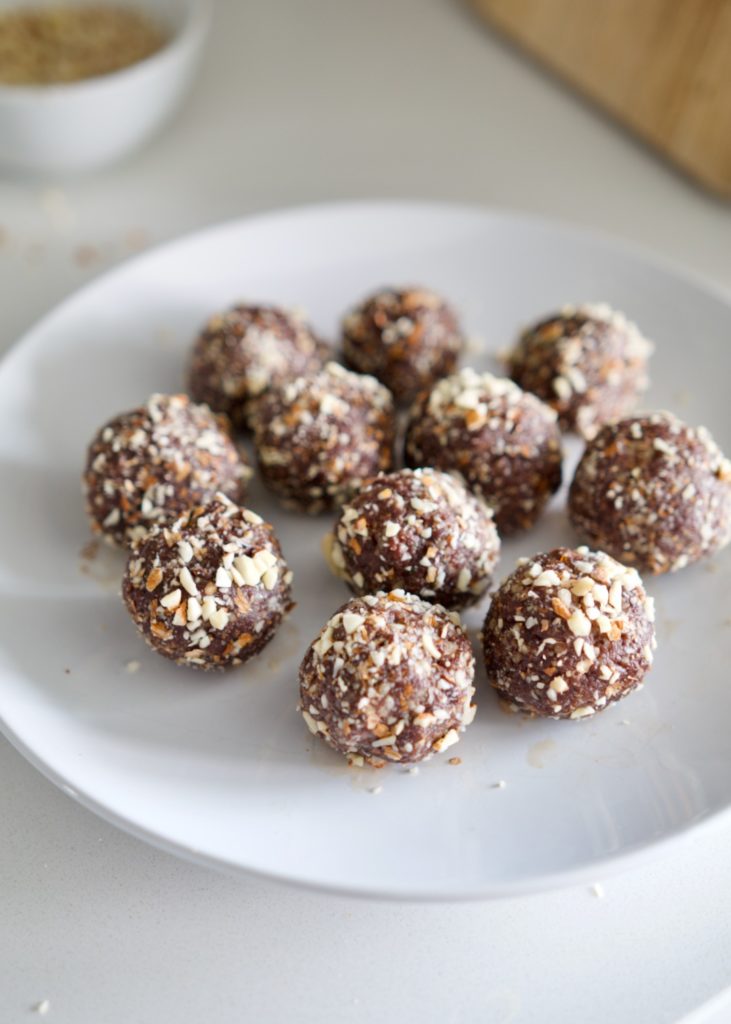
I made these chocolate energy balls at my son’s school today as a healthy breakfast/snack alternative and the kids loved them. Some moms asked me for the recipe so here you have it.

I used to make these chocolate date balls years ago. In fact, I remember sharing this recipe as part of a presentation I did in nutrition school. They’re so good and so easy to make.

I have tried many different energy balls already. Some that are made with shredded coconut, but these ones today are made with walnuts, hemp seeds, and rolled in chopped almonds. They’re the perfect snack for a little energy boost, and they’re absolutely delicious to boot.

HEALTH BENEFITS OF CHOCOLATE ENERGY BALLS

Let’s chat a bit about what makes these chocolate energy balls so energizing in the first place.

  • Walnuts: walnuts are a great source of healthy, satiating fats that help make these balls filling and balance out the sugar from the dates.
  • Dates: medjool dates are my favourite; they’re rich, soft, and caramel-y. They give this recipe its sweetness and supply a good dose of energizing carbohydrates.
  • Hemp Seeds: hemp seeds are a staple in my kitchen. They offer 3 important things: fibre, healthy omega-3 fats, and plant-based protein.
  • Cacao: the raw, organic cacao powder used in this recipe is definitely a star when it comes to providing some energy. Cacao contains some caffeine, but also plenty of antioxidants and minerals like magnesium.
  • Almonds: I like chopping up almonds and rolling the balls in them for an extra dose of monounsaturated fats (and crunch!)

Chocolate Energy Balls

 Prep Time 15 minutes

 Servings 24 balls

Ingredients

  • 3 cups walnuts
  • 1 cup medjool dates (about 10-12 large dates)
  • 3-4 tbsp cacao powder
  • 2 tbsp hemp seeds (optional)
  • pinch sea salt
  • 1/4 cup almonds, finely chopped

Instructions

  1. Remove pits from dates. Soak dates in warm water for about 5 minutes to help them soften. 
  2. Add walnuts to food processor and pulse until roughly ground, but not a fine powder.
  3. Add dates and remaining ingredients to food processor and pulse until a doughy mixture forms. Start with about 10 dates, then taste-test the mixture to see if it needs more sweetness or more cacao powder to your liking.
  4. Grab small chunks of dough and roll into small balls.
  5. Finely chop or grind almonds in food processor. Add to small bowl.
  6. Roll balls in bowl of ground almonds/coconut flakes until covered.

Recipe Notes

Store in airtight container in refrigerator for up to 1 week, or freezer for longer-term storage.

Enjoy!

.Worrying & Shamans.

Have you ever had an afternoon free, or even an hour you could be resting or doing something you enjoy, only to wither it away thinking about past disappointments, worry about the future, or replaying embarrassing moments or awkward conversations over and over? Many of us spend a lot of time thinking about something other than what we are doing. While it would be unrealistic to eliminate our negative thoughts altogether—the human brain is primed for distraction and negative thoughts can provide helpful information—but perhaps we can shift dwelling or ruminating on those that don’t aren’t offering such insights.

One example for me is ruminating on what other people think. Often, when we are worrying about what people think of us or what we’re doing, we are really just worrying about what we think they think. 

This is not only a guessing game but one that actually has no bearing on who we really are. Yet we can easily obsess and spiral in this projection, and become stuck.

Perhaps here, we can take a lesson from the cosmos. Recently, I saw a documentary with astronomer Greg Quicke who mentioned that it is helpful to think of Pluto, not the dog from Mickey Mouse but the planet. There’s a lot of debate about whether Pluto should or shouldn’t be included in the solar system. But as Greg points out, for Pluto, what we think doesn’t matter so much.

We can be just like Pluto – again, not the dog. What people think of us really doesn’t change us—it’s about finding our own internal direction and feeling a sense of being okay in our place. 

So, when I find myself overthinking instead of resting, or obsessing about what I think people think, I’ll say “Be like Pluto.”

It’s a simple practice, perhaps even a trivial one, but maybe a tangible step towards change. When I’ve experienced a period of unhappiness in my life I’ve often sought external change—my job, hairstyle or even home—only for such feelings to eventually find me again. After all, wherever you go, there you are. 

So instead of getting stuck or making a drastic life change, we can perhaps become more aware of our thoughts and allow for the moment we are in.

This works for me sometimes, but I needed more mind-opening and booked a meeting with a friend and Shaman a couple of weeks ago. Besides having had an awesome new experience that opened my mind, she suggested a simple thought exercise that involved tracking your most common thoughts and devising a new set.

For the first week, I noted and catalogued my thoughts in a journal and take deep breaths while going inwards. She told me to just “freeze”, breathe, and observe. My themes were clear pretty quickly – worrying about the future; beating myself up for perceived flaws; negatively internalising other people’s actions or words; and ruminating on the past. 

What was most startling when reflecting on this list was that each worrying thought was outside of my control. What people think of me, the future, and what other people do is not something I can change by mulling over it. For the most part, I can’t control what happens in my life, but I can control how I think about it.

Then I developed an alternative thought to each on my list. In the following weeks, each time I noticed myself falling into the mental loop of worrying about anything, I would tell myself, “I’m doing what I can now with what I have.”

If I found myself lost in thoughts of the past or replaying interactions, I repeated what she told me, “Be open to the surprises in the present.” 

A simple reminder when I was slipping into another negative thought spiral was simply to ask myself, “Can I control or change this?” 

She further told me that when we test and probe our most common thoughts, we begin to see how our thoughts are constructed—and how much control we really do have.

What became clear to me is that we can’t believe everything we think. We have choices. We can apply thought awareness, get creative and develop a new set of thoughts, or simply let our thoughts pass without overthinking or attaching meaning. 

Negativity, stress and even worry serves a purpose—it enables us to think critically about our environment and actions. But that’s not to say our thoughts couldn’t do with a good spring-cleaning once in a while.

So, to reframe your thoughts or unwind from this spiral of thoughts, take note of them. Spring clean your mind. Focus on what you can control. And worry less about what you think people think, and more about what you think.

Spring-clean your mind with my friend(s) who are Shamanic Practitioner(s). It is an enlightening, awesome experience!

Be happy. Be healthy. Be open to something new.

.MICROBIOME 101.

Microbiome whaaaaat? What is she talking about now? Well, let me enlighten you. Science is now showing how powerful our microbiome is, and how it influences many different areas of our body. In today’s post, I am covering what the microbiome is, why it’s so important, and 5 ways to support it. If you’re like most people, you probably don’t think too much about what’s inside your body. Especially when it comes to the bacteria that call our body home.

We’re what’s known as a “host” for critters like bacteria, yeasts, and the like. Isn’t that weird? And while many of us think of those things as something bad, they’re actually very, very important.

What is our Microbiome?

The trillions of microbes — over 100 trillion to be exact — including bacteria, yeasts, viruses, and fungi living in and on our body are collectively known as our “microbiome”. Over half of our body is made up of bacterial cells involving 1,000 species and over 7,000 strains. Crazy! Even crazier is that these bacterial cells outnumber human cells by 10 to 1.

These microbes live in and on us. Areas like our skin, our armpits, the vagina, and a large percentage in our colon. The colonization of these microbes begins to establish itself at birth and is one of the reasons why vaginal deliveries are beneficial for babies.

These microbes play essential roles in keeping us healthy. They do so by:

  • Supporting and educating our immune system by communicating with immune cells
  • Producing important nutrients, amino acids, and short-chain fatty acids such as butyrate, the primary energy source for colon cells that helps reduce inflammation
  • Controlling the permeability of epithelial cells by mediating tight junction formation (this means reducing leaky gut)
  • Preventing bad bacteria from adhering to intestinal tissue. Yep, literally preventing them from “sticking” to your intestinal walls.
  • Influencing gut motility — the movements of the digestive system and the transit of the contents within it.
  • Secreting many kinds of feel-good neurotransmitters like serotonin and dopamine

Why a healthy microbiome matters

I know it can seem hard to wrap your head around why your gut bacteria really matter. Who cares, right? But the reality is that without a healthy microbiome, you’re much more likely to suffer from issues like depression, IBS (Irritable Bowel Syndrome) and other gastrointestinal disorders like inflammatory bowel disease, and even obesity.

A robust, diverse gut flora means a happy and healthy whole body. The two are intricately connected, and emerging research continues to demonstrate the direct and indirect relationship between gut health and human physiology.

How to support your Microbiome

There are many things we can do to support our microbiome and all those incredible little creatures inside of us. What we eat each and every day is one of the best ways to influence the health of our microbiota, because they feed off of specific types of fibres found in an array of whole foods.

  1. Eat a diverse range of fibre-rich plant foods: whole, fresh vegetables and fruits contain phytonutrients and fibres that support the health of our microbiome and keep our bowels moving regularly
  2. Consume prebiotic foods: these are foods that our microbiota use as fuel due to the specific fermentable sugars and fibres they contain, such as cabbage, lentils, onion, garlic, and artichokes. These tend to cause a higher likelihood of gas production, so increase your consumption gradually if needed.
  3. Consume fermented foods: foods like sauerkraut, kimchi, yogurt and kombucha contain probiotics — beneficial bacteria that support our digestive system. Probiotic supplementation can also be beneficial for those who need extra support.
  4. Avoid overuse of antibiotics when possible: I’m by NO means suggesting that you disregard the advice of your doctor if you have an infection, but it’s wise to avoid them in unnecessary cases. This is due to the disruption they cause to the delicate balance of our gut flora by killing off both the “bad” and “good” bacteria.
  5. Limit highly processed foods: this includes refined sugars, starches, and oils that in excess may disrupt the balance of our gut flora. An abundance of whole, fresh foods is the best choice for supporting our microbiome!

Be healthy. Be happy.

.Inflammation 101: Here are some food tips that can help you.

Inflammation is something we all hear about. But what is it, what causes it, and what are some of the best anti-inflammatory foods? I will cover it all in today’s post. Feel free to add your experiences, ideas, and insights in the comment section below.

Inflammation has become quite a buzz word in recent years. I know that in my experiences with my health in the past, inflammation was something I really wanted to reduce, and maybe you can relate.

When we hear the word ‘inflammation’ we often associate it with something bad. And it can be! But not all the time.

What is inflammation?

Very generally speaking, inflammation is the body’s immune response to an irritant. This irritant could be things like a foreign object such as a splinter in your finger, or invaders like germs or viruses. Inflammation can be seen and felt as soreness, redness, and swelling. Even exercise can cause inflammation in the body, especially if we overdo it.

But not all inflammation is bad. In fact, a healthy inflammatory response is crucial for helping us overcome illness and heal wounds.

That being said, there is such thing as too much inflammation. Chronic or systemic inflammation is associated with cardiovascular diseases, certain cancers, metabolic diseases including obesity and metabolic syndrome, type 2 diabetes and autoimmune conditions. Conditions ending in “-itis” denotes inflammation, such as arthritis, dermatitis, or gastritis.

So while some inflammation can be a good thing (and is simply part of life) too much can be problematic.

What causes inflammation?

Inflammation can be caused by things like a cut or wound, virus, or even exercise. But there are also food and lifestyle factors known to promote inflammation. These include:

• excessive alcohol intake
• trans fats from ultra-processed foods
• excessive intake of refined carbohydrates
• high intake of red meat
• stress
• sedentary lifestyles

Which foods can reduce inflammation?

A simple rule of thumb for combating inflammation in the body is to eat more whole foods like fresh vegetables, fruits, nuts, seeds, whole grains, and healthy fats. You know, the stuff we already know are best for us to eat! No surprises here. These foods contain a variety of antioxidants and nutrients like minerals and essential fatty acids. The Mediterranean Diet is known for being quite anti-inflammatory because it’s based on so many fresh, whole foods. I will most likely write an article about this diet and its specifics very soon.

Let’s explore 12 anti-inflammatory foods that are wonderful for our body. These are foods that I personally eat most often! I’ll also be sharing ways that you can incorporate these foods into your diet. Remember though that while these are great to eat more of, there’s no need to stress about them or become obsessive  about eating anti-inflammatory foods at all times.

1. Berries

I love berries! Berries like strawberries, blueberries, raspberries and blackberries all contain potent antioxidants called anthocyanins that give them their rich ruby red and blue colours. These compounds have anti-inflammatory effects that may reduce your risk of disease.

Ways I Use Berries:

  • frozen in smoothies
  • frozen in cereal
  • a fresh handful as a snack

2. Broccoli & Other Cruciferous Vegetables

Cruciferous veggies like broccoli, Brussels sprouts, kale, cabbage and cauliflower are rich in an antioxidant compound known as sulforaphane that fights inflammation by reducing your levels of inflammatory cytokines (small proteins our cells release that mediate inflammation and have an effect on the communications between cells).

For even more sulforaphane, try broccoli sprouts! You don’t know how to sprout your own broccoli? Stay tuned for the next upcoming health articles on sprouting. Broccoli sprouts specifically are small but mighty powerhouses that contains an even richer source of sulforaphane than regular broccoli.

3. Leafy Greens

Dark leafy greens like spinach, kale, and collards contain plenty of fibre, minerals like calcium and magnesium, B vitamins and antioxidants that support our cells. Minerals like magnesium are a wonderful way to help to protect against inflammation and it’s great to get a good supply of this nutrient in your diet daily.

4. Whole Grains

Studies show whole grains may help reduce systemic inflammation. The key here is whole grains. Refined ‘white’ grain products have the germ and bran removed, whereas whole grains have them intact and contain much more fibre and nutrients. Think whole grain brown rice, oats, buckwheat, quinoa, millet, whole wheat. Look for words like whole grain on package labels.

Whole grains are also wonderfully beneficial for our microbiome, supplying prebiotic fibres that help support gut health.

5. Seeds

Seeds are small but mighty. Specifically, flax, hemp, and chia seeds offer a fantastic source of anti-inflammatory omega-3-fatty acids. Omega-3s have been shown to benefit heart health, cholesterol levels, and inflammation of the joints and skin. I love adding seeds to just about everything! Toss them in a smoothie, sprinkle on toast, or mix into a salad.

6. Fatty Fish

Speaking of omega-3s, fatty fish are another great source. Think salmon, sardines, herring, mackerel, and anchovies. If you’re worried about mercury, opt for smaller fish rather than large ocean predator fish. Safer fish include salmon (farmed or wild), trout, tilapia arctic char, Atlantic mackerel, herring, sardines, anchovies, sole, flounder, halibut, haddock, Pollock, cod, and canned light tuna. Big fish like tend to have higher amount of mercury.

Fish oil supplements can be a great option also. I like the brand Nutrasea. Go for an algae based omega-3 supplement if you want a plant-based option.

I love baking salmon in the oven with some salt, pepper, lemon and garlic. I also have a few sauces and glazes I love using.

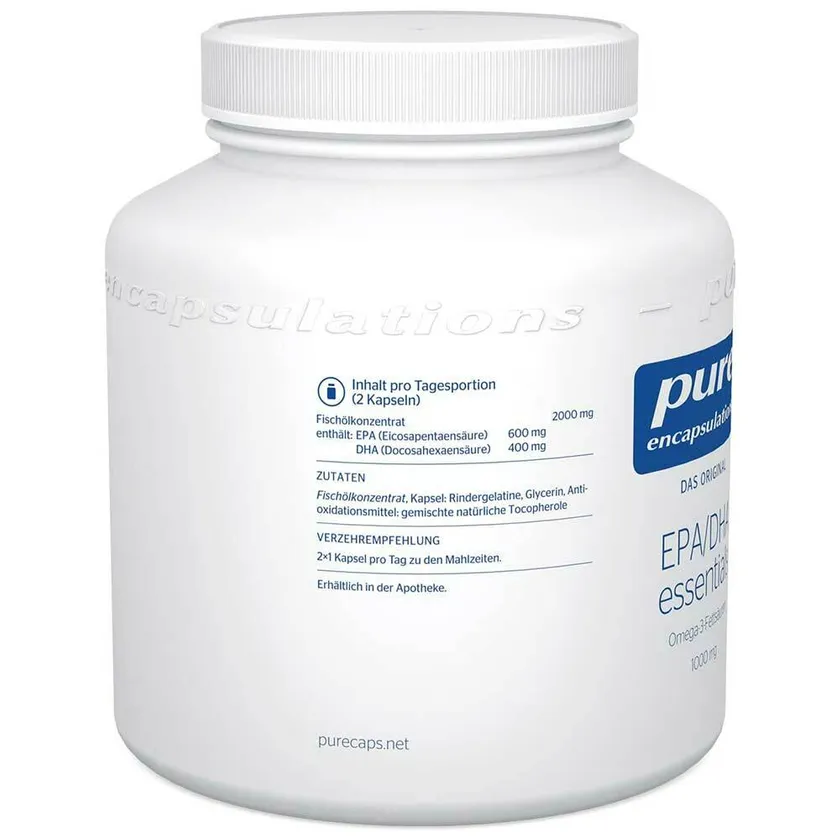
Fish oil supplements can be a great option also. I like the brand PURE.

If your goal is reducing cellular inflammation than the EPA (Eicosapentaenoic acid) has to be higher than the DHA (docosahexaenoic acid)

7. Extra Virgin Olive Oil

Extra virgin olive oil contains an antioxidant called oleocanthal that has anti-inflammatory effects. In one study on the Mediterranean diet, several inflammatory markers decreased in those who consumed 3 tbsp olive oil daily. The key here isn’t just any olive oil, but extra virgin. Look for ones packaged in dark glass bottles to help protect their delicate properties. Also, Linseed oil is a great oil but be aware that it should never be heated. Just drizzle over your salad. Yum!

Extra virgin olive oil and coconut oil are the primary oils I use in my kitchen for cooking and whipping up salad dressings. Enjoy uncooked in vinaigrettes or drizzled over soups and pastas, or use for sautéing — just don’t let the heat get too high or the oil to start smoking or burning.

8. Avocado

I love Avocados. The are rich in heart-healthy monounsaturated fats, fibre, potassium and B vitamins, avocados also contain unique compounds that have been shown to help reduce inflammation in the body. I love them in Guacamole, just plain with a bit of salt or sliced up on a slice of bread with salt and pepper.

9. Tomatoes

Tomatoes are high in vitamin C and lycopene, two antioxidants with impressive anti-inflammatory properties. Lycopene may be particularly beneficial for reducing pro-inflammatory compounds related to several types of cancer. And heads up — lycopene is increased when tomatoes are cooked, so enjoy your tomato sauce!

10. Ginger

Ginger is such a wonderful plant. Not only does it add an incredibly unique, zesty flavour to a variety of recipes, it contains anti-inflammatory and antioxidant compounds, most notably gingerol, a main bioactive compound that’s responsible for its medicinal properties.

Ginger is also great for digestion by enhancing gut motility and easing nausea or an upset stomach. Add freshly grated ginger with lemon to hot water for a warming drink, or enjoy ginger tea!

11. Green Tea

Green tea is my favourite tea! You can enjoy it from a teabag or as matcha green tea powder. I adore matcha. Enjoy green tea in the morning instead of coffee!

Many of the benefits of green tea are due to the antioxidant and anti-inflammatory properties, particularly epigallocatechin-3-gallate (EGCG). EGCG inhibits inflammation by reducing pro-inflammatory cytokine production and damage to cells.

Matcha also contains L-theanine, a relaxing amino acid that can help offset the caffeine content, making it energizing but not too overstimulating.

12. Turmeric

Turmeric contains an active constituent called curcumin that’s responsible for its bright yellow colour and gives it its powerful anti-inflammatory effects. Use it when you cook together with black pepper (freshly grinded is best) because the inflammatory effects are enhanced.

Turmeric can be purchased in its whole root form, or in powder (that’s how I usually use it). It can easily be added to smoothies or cooked in a variety of dishes, like curries and stir fries. I enjoy it in a golden milk latte.

. Magnesium 101.

You may have heard of magnesium before, but what exactly is it? Is it something you should get more of in your diet? What about supplementation? In today’s post, I am going to share with you what magnesium is, the benefits, signs of deficiency, and my personal experience with it.

What is magnesium?

Magnesium is a mineral with many functions in the body. It helps support heart health, nerve and muscle function and healthy bones. Over 300 enzymes use magnesium for a variety of essential processes in the body every single day. Needless to say, it’s an important one!

Magnesium is found naturally in many foods but can also be taken as a supplement or topically as creams and gels for muscle relaxation. The amount of magnesium that you need per day depends on your age, sex, and life stage you’re at, such as pregnancy. But generally about 300-400mg/day is the recommended amount. Others may require more if there are any issues with digestion and absorption of nutrients.

Food Sources of Magnesium

Magnesium is found naturally in many foods:

  • nuts and seeds like pumpkin seeds, Brazil nuts, almonds and sunflower seeds
  • dark leafy greens like spinach and Swiss chard
  • whole grains
  • legumes like black eyed peas and edamame
  • potatoes with the skin on
  • and even dark chocolate!

Magnesium Deficiency

Unfortunately, it’s not uncommon to be low in this vital nutrient due to diets that lack magnesium-rich plant foods. Additionally, high consumption of alcohol, coffee, phosphoric acid found in sodas, salt, and even stress can deplete this mineral in our body. Those with digestive disorders, diabetes, athletes and older adults may be at higher risk of magnesium deficiency.

Possible signs of magnesium deficiency can include:

  • muscle cramps, pain, or spasms
  • joint pain
  • headaches or migraines
  • insomnia
  • anxiety
  • hypertension (high blood pressure)
  • depression
  • constipation
  • hypothyroidism

Benefits of Magnesium

Heart health: magnesium promotes healthy blood pressure. Those with hypertension and even arrhythmias can benefit from getting optimal amounts of magnesium in their diet.

Bone health: we all know calcium is needed for healthy bones, but not just calcium alone. We need a dance of calcium, magnesium, vitamin D and other minerals to support bone health. Up to 60% of magnesium is stored in our bones. If you’re at risk for low bone density, you’ll want to pay attention to your magnesium and overall mineral intake.

Muscle relaxation: Magnesium is best known for having muscle relaxing properties, making it useful for things like cramps (including period cramps), spasms, or restless legs. Since cramps can be a sign of deficiency in some cases, increasing your intake of this mineral can make a difference in the muscle pain you experience.

Sleep: Magnesium is great for aiding sleep because of its calming and relaxing properties. Many people find that increasing their intake of magnesium helps improve sleep quality and quantity. This may be due to the way that magnesium mitigates stress and anxiety. Try an Epsom salt (magnesium sulfate) bath in the evening to help with a good night’s sleep. Not only with the warm water relax your body, but the addition of magnesium may help, too.

Constipation: Magnesium in the form of a citrate supplement helps draw water into the bowels and soften stool which can relieve constipation.

PMS: Premenstrual syndrome involves a variety of uncomfortable symptoms in the days leading up to your period, like cramps and breast tenderness. Magnesium plays a key role in relaxing muscles and also reducing inflammation, which is why it can be massively helpful for those who suffer from PMS. I have personally found magnesium to make drastic improvements in my PMS symptoms.

Migraines: Like most health issues, migraines are multifactorial but low levels of magnesium can play a role. Stress and dehydration can also play a role here, but upping your dietary intake of magnesium may be helpful for you if you suffer from migraines.

How to get more Magnesium + should you take a supplement?

Food should be the primary focus when it comes to obtaining adequate nutrition. You can start increasing your magnesium intake naturally by…

  • adding more legumes to your diet through salads, soups, or stews
  • adding nuts to baked goods, as a snack (like trail mix), or onto oatmeal or granola
  • enjoying a spoonful of nut butter, like almond or cashew, with fruit, toast, or in smoothies
  • eating more leafy greens.
  • choose whole grains products instead of white

To fill in the gaps or for those who need higher amounts of a specific nutrient, supplementation can be helpful. Speak to your doctor if you have any questions about taking a new supplement.

My Experience

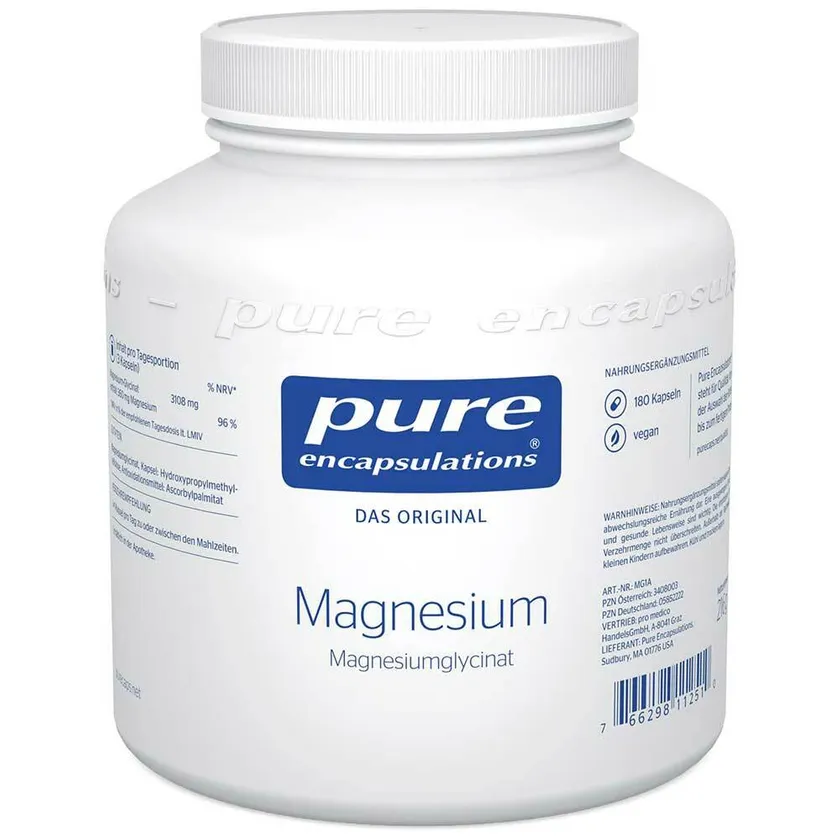
I am very happy with PURE Magnesiumglycinat and take up to two pills every second day and I feel that my overall levels of magnesium have improved.

Please keep in mind that this is my unique anecdotal experience which means that it’s based on personal accounts and not part of any sort of rigorous scientific study. Everybody’s needs are very different. Always speak to your doctor if you have any concerns about any symptoms you are experiencing.

.How to: Intermittent Fasting.

These days, word is slowly spreading around that I am “into food and healthy stuff”. So, as announced last week, I will post weekly health articles on Wednesdays. I received some article requests recently about intermitted fasting and if it is possible to write an article about it. Here it is. 😀

Everybody talks about intermittent fasting these days and it grows rapidly in popularity. What is intermittent fasting and how do you do it? Are there benefits and who should avoid it? Interested? Read on. 

What is intermittent fasting?

In a nutshell, you basically eat the same amount of food that you usually do but during a shorter period of time. The term fasting refers to any period of time when you do not eat food. Actually, we fast every night when we sleep. It is important when we eat. Because everything is available 24/7, we can get in this habit of constantly eating all around the clock, especially late in the evening/night. What uncontrolled eating does is, for example, it creates appetite irregularities and up-and-down blood sugar patterns which can also negatively impact sleep. 

Three types of fasting methods. 

Eat-Stop-Eat (“5:2”). This type of intermittent fasting means you eat in your usual manner for five days of the week and either restrict food intake on 2 non-consecutive days (for example Tuesday and Thursday) or fast altogether on those days (no food for 24 hours). Personally, I find this method quite restrictive and have not tried it myself but heard of some people who love it. 

16:8/18:6. These are just different options for lengthier fasts that involve no food intake for 16-18 hours and eating over a span of 6-8 hours. 

Time-Restricted Eating (TRE). This type of fasting is based on the science of the circadian (natural) rhythms and means that we eat during the day and stop eating at night. With TRE you want to focus on an eating window of 10-12 hours and fast for 12-14 hours. 

Some important Benefits

  1. Intermittent Fasting supports cardiovascular health. It can help to reduce cholesterol, especially low-density lipoprotein (LDL aka the “bad one”) 
  2. Autophagy. Auto-what? Autophagy is basically a cellular cleansing process that occurs when cells have insufficient sugar. It causes them to start breaking down their own damaged, old or diseased cell fragments to create new energy and also newly regenerated cells. Pretty neat, huh! Usually, this occurs in longer fasts but we also experience it a bit during overnight fasts of 12-13 hours. Of course, we do not want autophagy to occur all the time because that would mean we are starving. 
  3. Better gut health & Inflammation. We usually do not feel like eating when we are sick. This is a natural reaction and signal the body sends out asking for a break. Intermittent fasting can lower inflammationwhich means less disease, better immune function, and a healthier body overall. Since fasting helps reduce inflammation and reboots immune function it can be beneficial for autoimmune diseases such as Hashimoto’s. Of course, always speak to your doctor if you have concerns. 
  4. Improved Blood Sugar Balance. Let’s dig out my Biochemistry book: Whenever we eat, the sugars from food signal the pancreas to produce insulin to rush it into the cells. The liver then stores fatty acids in fat cells and converts sugar to glycogen. Do you still follow? Now the body has stored all the sugars and fats from the meal and insulin and blood sugar drop. The pancreas secretes a hormone called glucagon to signal the liver to convert stored glycogen back into sugar to release it into the bloodstream to balance blood sugar. This “storage” and “burning” mode usually happens cyclically all day long and the body uses remaining stores when we sleep at night. Problems may occur when we constantly or irregularly eat all day, especially high sugar and fatty food. Then the body is stuck in “storage mode” and too much insulin is secreted all the time which can lead to insulin resistance or low/high blood sugar. Intermittent fasting is a great way to improve insulin resistance, fatty liver, and conditions associated with blood sugar regularities. 
  5. Weight loss. Intermittent fasting can aid weight loss because the body is allowed to exit “storage mode” and burn internal resources instead. It is also great to regulate appetite because it balances satiety hormones (ghrelin and leptin) and hunger. 

Who should avoid (intermittent) fasting? 

  • Those who try to get pregnant, are pregnant or breastfeeding moms 
  • Anybody dealing with extreme stress (any extended fasts (14+ hours) are stressful for the body because the body will perceive those fasts as periods of famine) 
  • Diabetics. They should consult a doctor first. 
  • Anybody with a history of eating disorders. Always make sure you consult a doctor before exploring with fasting and diets on your own. 
  • Anybody who is new to intermittent fasting should aim for 12-13 hours. 

I experiment with intermittent fasting for about one year now and I respond really well to it. I usually follow an 11 am-7 pm eating – 7 pm – 11 am fasting rhythm, usually 3 days a week but of course, there are exceptions because this is life. 

There is also a great app that you can download that allows tracking fasting/eating windows. 

Have you ever tried intermittent fasting? Please share your experience and leave questions and comments below.