.My New Book is Out – Get Yours Today.

Ladies and Gentlemen,

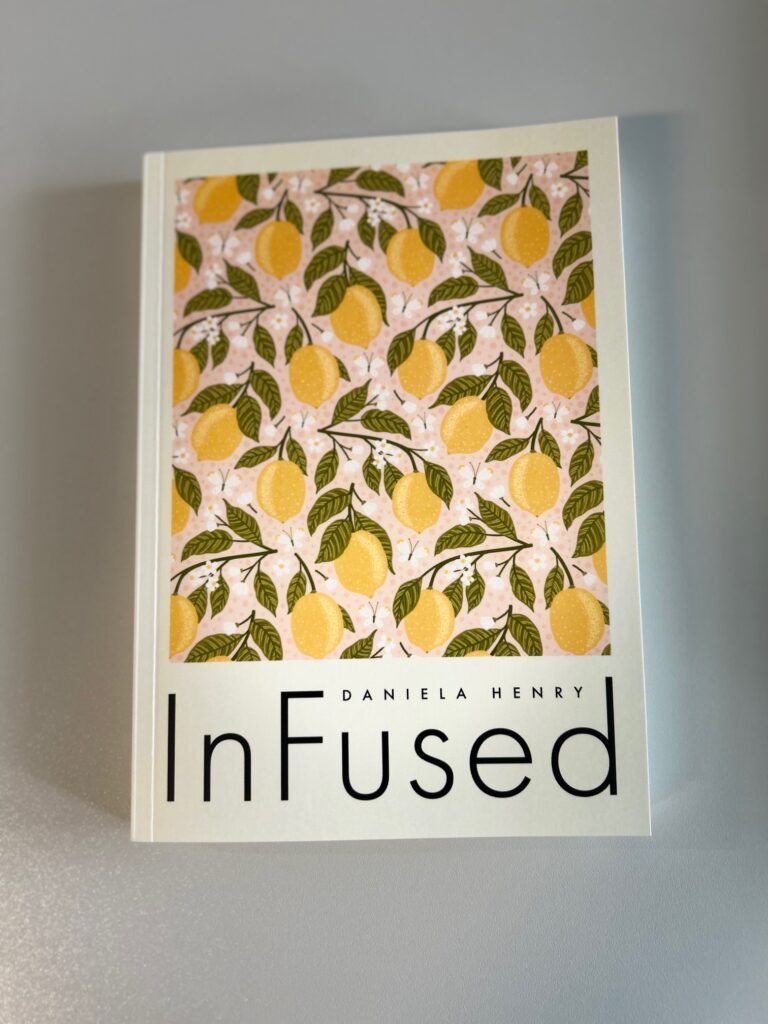
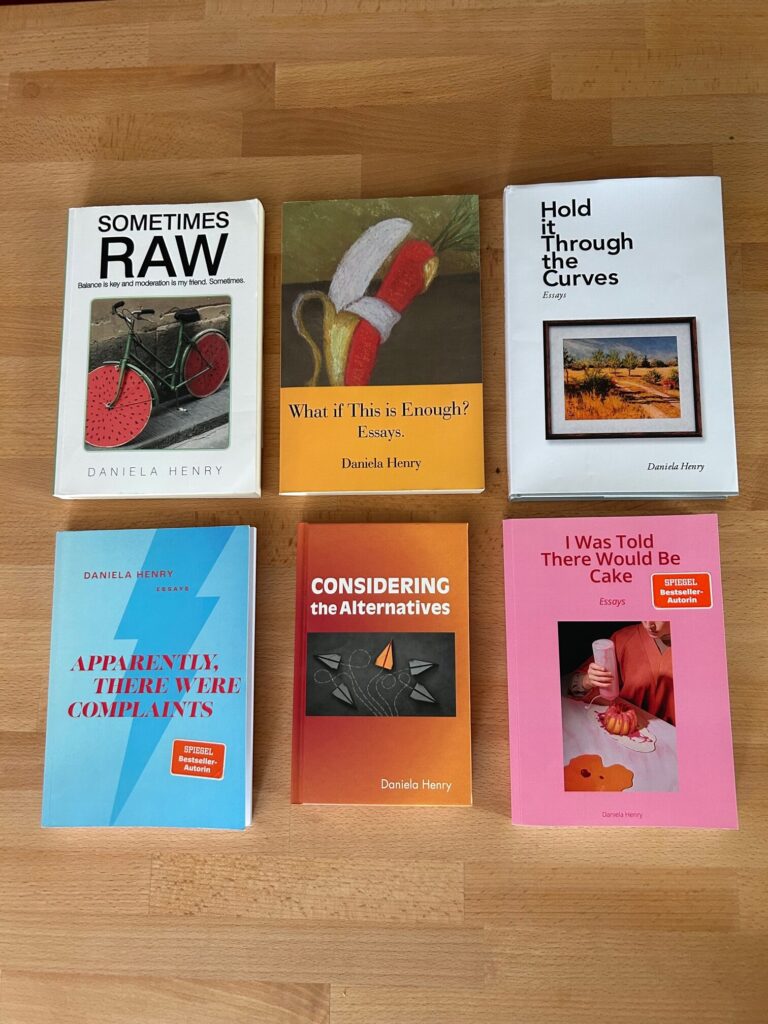
can I please have your attention for this public service announcement: My new book InFused has been published. It is such an amazing feeling for a book nerd like me to have my own book published and displayed in a bookstore’s bookshelf. I would describe it being similar to giving birth. Which it is in a way, am I right? Minus the baby screaming and whatnot which is also fine I guess. To observe and write is my passion and creative outlet. It makes me happy. It fulfills me even more if people read what I have to say, laugh about it, think about it, and talk to me if and why they like it. Or if they do not like it, which is obviously fine, too. I always love to receive insight on how to make things better.

What the book is about

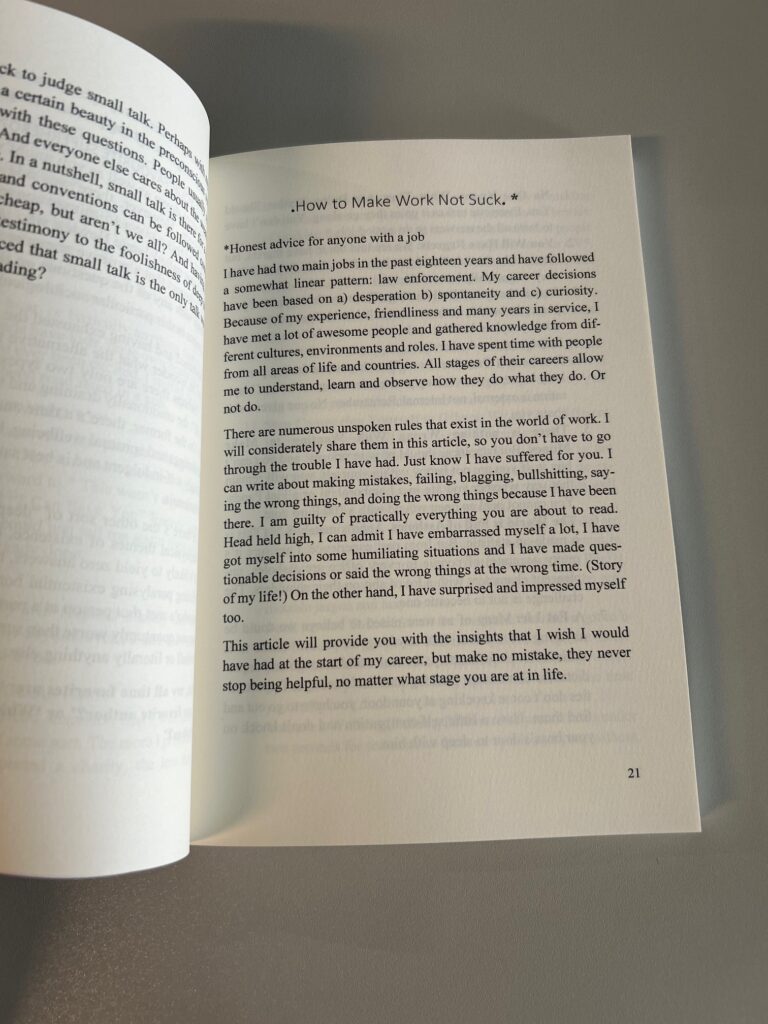
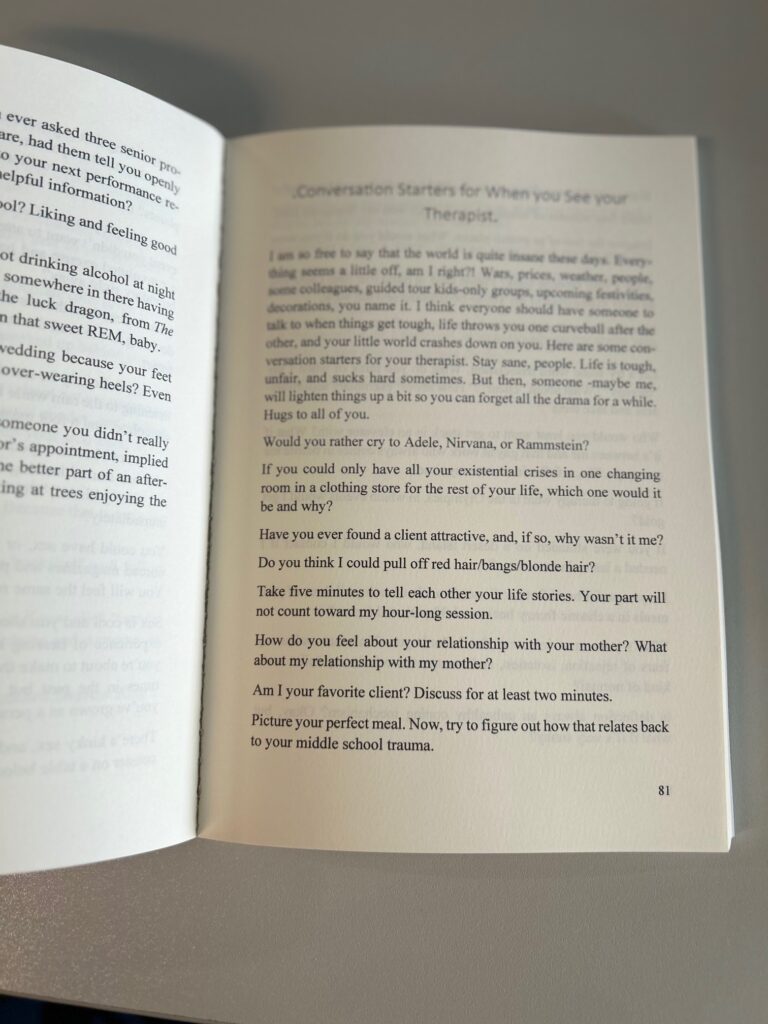
For several years, I have been carving out a unique literary space, virtually creating my own genre (this is the applied linguist speaking, Dat). The stories may seem confessional, but it is also highly attuned to the world outside. It opens our eyes to what is absurd and moving about our daily existence. And it is almost impossible to read without laughing. But if all you expect to find in my work is the deft and sharply observed comedy for which I am renowned, you may be surprised to discover that my words bring more warmth than mockery, more fellow-feeling than derision. Nowhere is this clearer than in my writing about my loved ones. Taken together, the stories in InFused reveal the wonder and delight I take in the surprises life brings me. No experience is quite as I expected. It is often harder, more fraught and certainly weirder but sometimes it is also much richer and more wonderful.

Like my previous books, I have written essays on my life in general; and ideas on how to create a passionate life for you and the people you love to spend time with. You will find inspiration, health tips, and how to be a better version of yourself.

What I hope to achieve with my book is that you get comfortable, enjoy a glass of beverage of choice, send your kid(s) to bed, and read my book in silence and peace. I hope it will transfer you into a relaxed, thought-provoking, or inspirational mode, make you reflect and most importantly think. Always think outside the box. 

I really want to thank my family, friends, and blog readers, and the support I have gotten to make this happen. I will have book signings coming up in Vienna at independent bookstores. Announcements and dates will be shared on this website. 

Order your copy here, here, or in any bookstore. I would love to hear your thoughts and feedback about the book and of course on anything else you would like to share. 

Thank you for reading my stuff and buying my books. <3

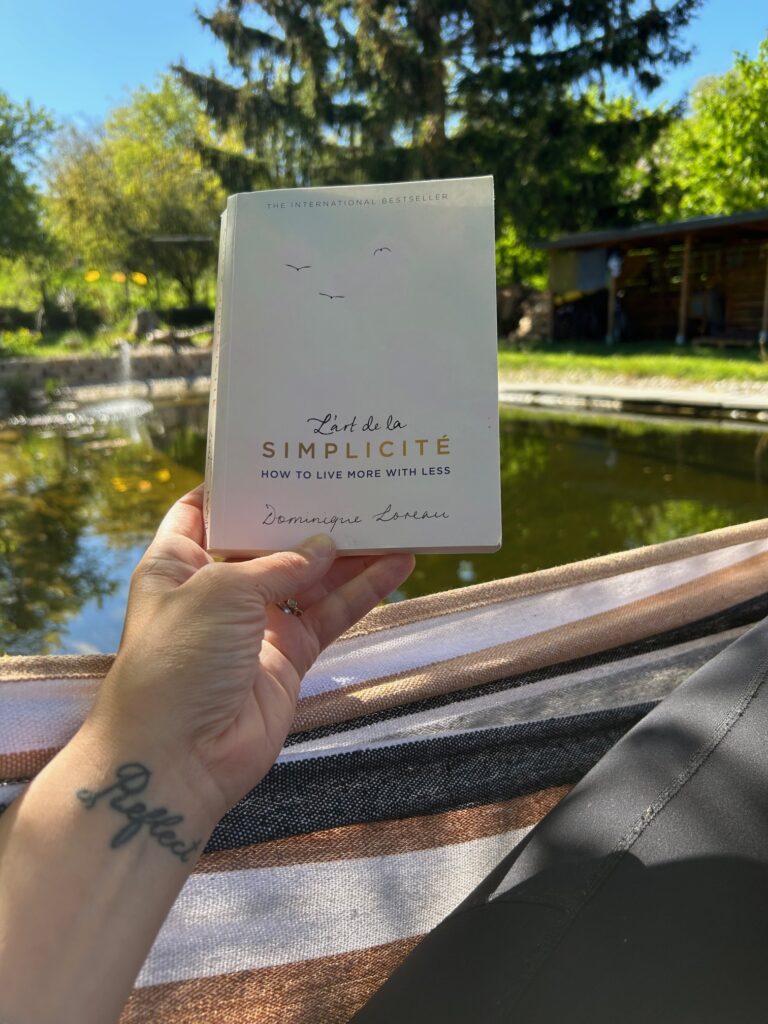
.Book Thursday – L’art de la Simplicité: How to Live More With Less by Dominique Loreau.

“Simplicity means possessing little, clearing the way for the bare necessities, the quintessence of things. Simplicity is beautiful because it brings hidden joys.”

This beautiful, soulful book expresses what many of us desire, but often can’t achieve: a life of simplicity and beauty. While I have always valued experiences over things, I still seem to have accumulated a lot of things along the way. The older I seem to get, the more valuable the act of paring down seems to be.

This book is inspiring on so many levels. While I was expecting a “rid yourself of the clutter” type of book, it’s so much more. French-born Dominique Loreau has lived for the past 40 years in Japan, where she has adapted many Asian influences on the art of simplicity.

The book is divided into three sections (home, body, and mind) and by far, the most thoughtful section to me is the last one. If the mind is cluttered, everything else is usually cluttered. The ideas behind “Polish Yourself Like a Pebble” really resonated with me. It’s not simplicity for the sake of it, but rather as a gateway to living more aware and more fully, while integrating your home, body, and soul until the whole shines.

There are some ideas that I just couldn’t agree with (e.g., the idea that a person can possess too many books or that it’s not good to read too much) and other things that just seemed weird (e.g., enjoying a snack of pomegranate seeds while watching a movie at home) or very specifically Japanese (e.g., making a facial scrub of azuki beans. Yeah, I’ve got a lot of those hanging around my house). However, most of the concepts presented in L’Art de la Simpicite (why the non-translated French title?) I found to be insightful and aspirational.

Dominique Loreau combines her French culture and upbringing (which seems to be a direct writing style and emphasis on luxury items and rituals) with insights gained from living most of her adult life in Japan (Zen principles and minimalism), this book is–despite the title–more of a minimalist philosophy than it is a how-to guide. As such, here are some of the ideas and takeaways that I think are worth remembering or reflecting upon:

* People want more time, than to “kill time.”
* Each day is a journey, and everything you need along the way must be carried in your bag. Your bag is an extension of you. It spends more time close to you than any item of clothing. Choose it well.
* Most of the time, people are more exhausted by the *thought​* of all they have to do than by what they actually have to get done.
* Save money to work less, not buy more.
* It’s said that women who wear black lead colorful lives.
* Our environment trains our personality and influences the choices we make.
* No one can take better care of your body than you can yourself — not your doctor, your beautician, or your makeup advisor. We are responsible for our own bodies and at fault when we neglect them.
* Life begins anew each day. You are alive today, here and now. Stop believing the person you were yesterday is the person you have to be today.

I found this book to be a beautiful, meditative, aspirational, as well as inspirational guide to leading a more fully internal life by mindfully choosing a less cluttered outside existence.

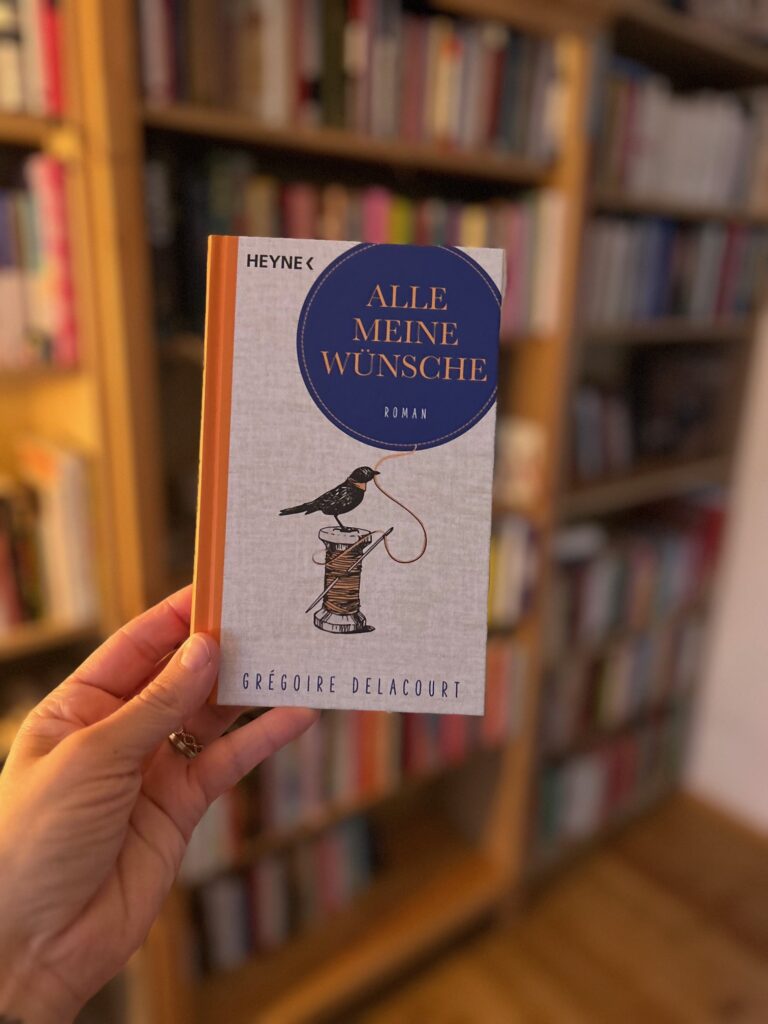
.Book Thursday – The List of My Desires by Grégoire Delacourt.

“Jo and I are happy, I say, my voice unsteady. We’ve had our ups and downs like all couples, but we’ve managed to get over the bad times. We have two lovely children, a pretty little house, friends, we go on holiday twice a year. The shop is doing very well…”

What is this book about?

The story is centred around Jocelyne, a middle-aged dressmaker and blogger, who wins the lottery the first time she plays. Jocelyne’s life is filled with curious coincidences, such as marrying a man with the same name. What makes her narrative truly special is that, despite having discarded the dreams of her youth and suffering terrible disappointments, Jocelyne never ceases to appreciate the wonders of everyday life.

Delacourt’s characters are intricately built, and it is this careful characterisation that allows the most wonderful aspect of the novel to flourish: the exquisite exploration of interpersonal relationships. From lovers to colleagues, parents to children, Delacourt depicts it all with an achingly beautiful honesty. By acknowledging the flaws and problems that pepper the everyday, he highlights how special love and affection are.

This novel also has an extraordinary plot. How many people could honestly say that, if they won a life-changing sum of money – millions – they would even hesitate to collect it? I certainly can’t. And yet Jocelyne does hesitate, and her reasoning is entirely sound. The negative aspects of sudden extreme wealth are not glossed over. It is Jocelyne’s appreciation of her husband and children – the love of her family as it is – that causes her to hesitate, which makes the story all the more moving.

Delacourt’s writing is magnificent, as is the quality of the translation – one does not feel that anything has been lost in the process. The novel remains quintessentially French in style and tone, which makes it all the more charming to read. “The List of My Desires” is not my typical sort of book, but I couldn’t be happier that I picked it up.

It was such a quaint, bittersweet novella that made me dive headfirst into my desires, dreams, and shortcomings. I haven’t focused this much on my character in some time, and by the last page, I had more questions about myself than I did about the protagonist, Jocelyne. I completely related to her, but it was a little unsettling.

Do you have a list of things you would treat yourself to if you won the lottery? A dream car, a new life in a faraway paradise, a closet full of designer clothes? Or nothing at all and continue life the way it is? Is it okay to want more for yourself? Will money ruin whatever happiness you have now, however ordinary it may seem? Can money buy you a new, happier life? Most importantly, what will she do with her winnings?

Another thing I love in books is allusions to other works of literature. Throughout this book, Delacourt referred to Albert Cohen’s French tome Belle de Seigneur, which is a favorite of Jocelyne’s, and whose characters are repeatedly mirrored in her thoughts to people she knows. I read a classic book once a year, and I still haven’t decided which to read this year. After finishing My Wish List, Belle du Seigneur is definitely on the list.

I heartily recommend this novel to anyone looking for an extraordinary book.

.Book Thursday.

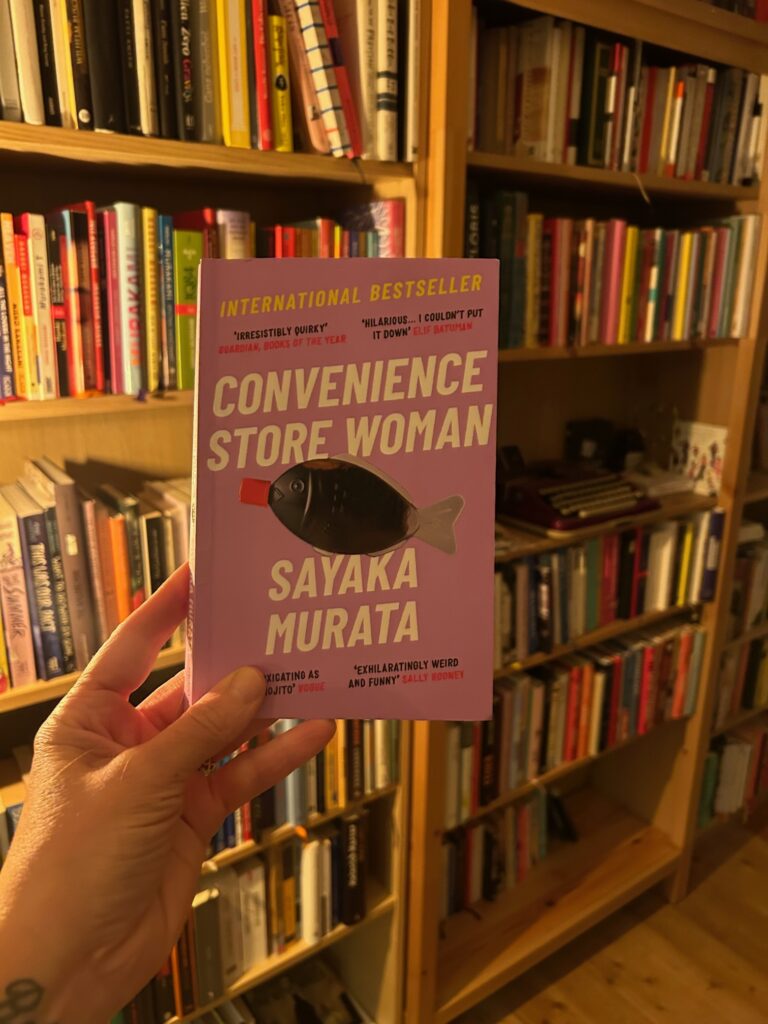
Unless I’m cured, normal people will expurgate me.

Sayaka Murata’s novel Convenience Store Woman is a darkly comic look at the life of a 36-year-old woman working in a convenience store and the many ways she is looked down upon by ‘normal society’. Having surpassed a socially acceptable age for the job and still being single, Keiko is relegated to the fringes of society despite being a model employee. As someone who is also on the autism spectrum, she often has difficulties navigating what is considered normal, wishing there was a manual to life she could study and master the way she has the store manual. In this slim novel, Murata humorously and effectively skewers society for the inherently ableist and often misogynist undercurrents in socially enforced hierarchies and questions perspectives of normality all while also crafting a touching ode to essential employees who are doing their best despite our lack of care and attention for them.

This book really hit me. Keiko instinctively knows exactly how to organize a display for optimal sales, chart your day around busy periods, picking up difficult hours when others leave. A simple and pretty thankless job and something where being good and reliable at it usually becomes a sort of self-punishment when you get tasked with the more difficult shifts and added responsibilities and the verbal thank you’s are never echoed in your paycheck. Each scene in the store breathed with life and felt true, an authenticity she was able to capture as Murata was working in a convenience store while writing the book. I could place myself in those back offices and feel deep in my heart the various employee reactions to corporate mottos and extreme instances of greeting each customer. While I’ve never shouted ‘Irasshaimase’, which becomes almost a mantra in the novel, the scenes around its use in the novel really rang true within me. So I felt it when Keiko comments:

When you work in a convenience store, people often look down on you for working there. I find this fascinating, and I like to look them in the face when they do this to me. And as I do so I always think: that’s what a human is.

This is a novel for the retail clerk, the essential workers, and anyone who has ever been made to feel less simply for working a job. Shoutout to you.

So the manual for life already existed. It was just that it was already ingrained in everyone’s heads, and there wasn’t any need to put it in writing.

Keiko is a really empathetic character. When she turns 18, she gets a job at the convenience store where she still works 18 years later. The symmetry of 18 years is a nice metaphor for the dichotomy of Keiko as an employee and Keiko as a social being. Outside the store, she is an outsider, while inside she is the star employee. The store does, however, give her an opportunity to observe how the “normal” people act and dress, with Keiko often adopting the mannerisms and clothing styles of coworkers she enjoys best. ‘After all, I absorb the world around me,’ she thinks, ‘and that’s changing all the time.’ As employees come and go, so too does Keiko’s mannerisms, which she is embarrassed by when it is pointed out to her.

The store starts to appear as a microcosm of the world for her. When new employee, Shiraha, shrugs off work, refuses to listen to his female coworkers and complains constantly (we all know this guy), Keiko asks him ‘Um, you do realize you’ll be fixed?’ Keiko sees employees all as cells in the body of the store, and the defective or sickly ones are discarded and replaced. Such is the way of a store. She accepts that her pay is solely to keep her alive enough to keep working and is constantly aware of her need to stay healthy ‘for the store.’ While this subtly points to how jobs don’t provide a living wage and keep employees trapped in the lower classes, it also makes her realize that she too will eventually be replaced.

When you do physical labor, you end up being no longer useful when your physical condition deteriorates. However hard I work, however dependable I am, when my body grows old then no doubt I too will be a worn-out part, ready to be replaced, no longer of any use to the convenience store.

The extreme ableism in a work culture such as this is perpetuating a class of ‘undesirables’ and outsiders. Keiko notes that this is how social life is too, and while she may still be a star employee, in her social life she is constantly exposed as ‘not normal’ and criticized openly for it. Keiko has no interest in sexual relations–shoutout to anyone who is ace, you are valid and I support you–yet constantly told ‘deep down you must be getting desperate.’ To be an outsider, Keiko finds, is also to be bombarded with opinions on how you should live your life and to be always making excuses for yourself instead of able to just embrace your own being. ‘The normal world has no room for exceptions and always quietly eliminates foreign objects,’ she thinks, despairing, ‘anyone who is lacking is disposed of.’ This is, understandably, a difficult impasse of an existential crisis, particularly for one who wants to just be themself and work their job with pride.

The specific form of what is considered an “ordinary person” had been there all along, unchanged since prehistoric times I finally realized.’ 

This perspective is only amplified when Keiko converses with Shiraha who spends all his time ranting about how society discards the outsiders. Shiraha is obsessed with his theory of tribalism and that humans haven’t changed ‘since the Stone Age’ of discarding the weak and outsiders. While he isn’t exactly wrong about society being oppressive, Keiko concedes, he himself is part of the problem (one of my favorite scenes in The Big Lebowski is Jeff Bridges saying ‘You’re not wrong, Walter, you’re just an asshole”) as he reinforces misogyny and he doesn’t want to dismantle the oppressive structures but instead climb them to be an oppressor. Shiraha is essentially an Incel with his combination of sexual predator nature combined with a massive victim complex and is fired after harassing woman employees and then stalking a woman customer.

Despite Shiraha’s completely repulsive behavior and personality, Keiko sees how he may be useful. She can keep him ‘hidden from society’ in her apartment because having a man live there will raise her ‘normalcy’ in other’s eyes. ‘It appears that if a man and a woman are alone in an apartment together, people’s imaginations run wild and they’re satisfied regardless of the reality,’ she says.

She’s far happier thinking her sister is normal, even if she has a lot of problems, than she is having an abnormal sister for whom everything is fine.

Here we see how social norms are a frail playacting. ‘I was beginning to lose track of what “society” actually was,’ she thinks, ‘ I even had the feeling it was all an illusion.’ What is sad is how once she has penetrated the illusion, her perceptions of everyone around her crumble as does her world. The people she respects at work are revealed as gossips more interested in social interaction than doing a job, which is devastating to her, and her plans go inevitably awry. However, I found the conclusion of the novel to be hopeful and empowering, especially as it validates essential workers as being something to be proud of.

All in all, Sayaka Murata has crafted a brilliant little gem that quickly cuts to the heart of society and exposes normality and social hierarchy as a mere facade for oppression. This is one for the outsiders, the “losers” (as Shiraha is quick to call people), those making ends meet while rightfully believing they are still dignified. It is deeply and darkly comical but is written with such an earnest and light touch that it reverberates in your soul like the sun breaking through the clouds as you step out of work.

Poignant, hopeful and empowering, Convenience Store Woman is a winner.

.Signs You Should Give up on a Book.

You may know by now that I love to read. There are so many good books out there and time is limited to read them all. Every day thousands of new books get published. So what can you do? Usually, I will give a book fifty pages to convince me to read on or put it down. After years and years of passionately reading, I know the language and style that catches my attention in a heartbeat. But overall I believe, fifty pages in is a good way to decide if the book is good or not. Here are some other options and signs you should give up on a book. Enjoy.

You can’t stop thinking about the characters and how you’d like to rewrite them as characters from books you’ve actually enjoyed reading. Like the books I have written, for example. You find yourself regularly reaching for the book to squash the silverfish in your apartment.

You keep having to reread the first chapter because you’ve been distracted by an article about Dwayne Johnson’s movies, ranked from best to worst.

You’re ten pages into the book and think a murder investigation would really liven things up right about now. (You are reading “Little Women.”)

You’re twenty minutes into reading the book and just now realize you’ve been asleep the whole time.

You’re twenty years into reading the book and it’s the only book that hasn’t been burned or rewritten by robot overlords, and yet you still can’t seem to get emotionally invested in the story.

The book has been described as “thrilling” and “captivating,” but by readers who play badminton or golf.

You want to stick with the book for the first hundred pages before deciding whether you should abandon it, but at your current pace it will take you a year to get through a single page.

You wait for the book to initiate physical contact.

The blurb on the back of the book says, “It will catch your attention eventually, I promise.”

You stay up all night, tearing through the pages of the book, only you’re not reading the actual words, you’re just looking for the page in which you tucked a piece of scrap paper with your Gmail password on it.

You were thinking about Dwayne Johnson’s performance in “The Tooth Fairy,” which leads you to Google whether he was nominated for an Oscar for that film, which then somehow leads you to click on an article about the best hand creams for mature skin, and now you can’t remember what the book is about and have to start over from the beginning.

You would rather get into a conversation with your neighbour who likes to go into very specific detail about Helene Hanff books before she finally asks, “So what’s going on with you?” and her eyes glaze over as soon as you start talking about your work and so you end up asking her about which Hanff book is her favourite in order to reëngage her in the conversation, just to avoid reading your book.

You are reading “David Copperfield” before starting on “Demon Copperhead,” which was inspired by “David Copperfield,” because you think this will give you a feeling of accomplishment that will make you feel better about how you’ve been cold e-mailing these health insurance people without getting any responses, probably because your only viable skill is reading books you can’t seem to finish.

There’s going to be a film adaptation of the book you cannot finish starring Dwayne Johnson. You should watch that instead. 

Also, what’s going on with Dwayne Johnson and I? In any case, purchase my books if you need a good laugh and when in doubt what to read. 😉

.Book Thursday.

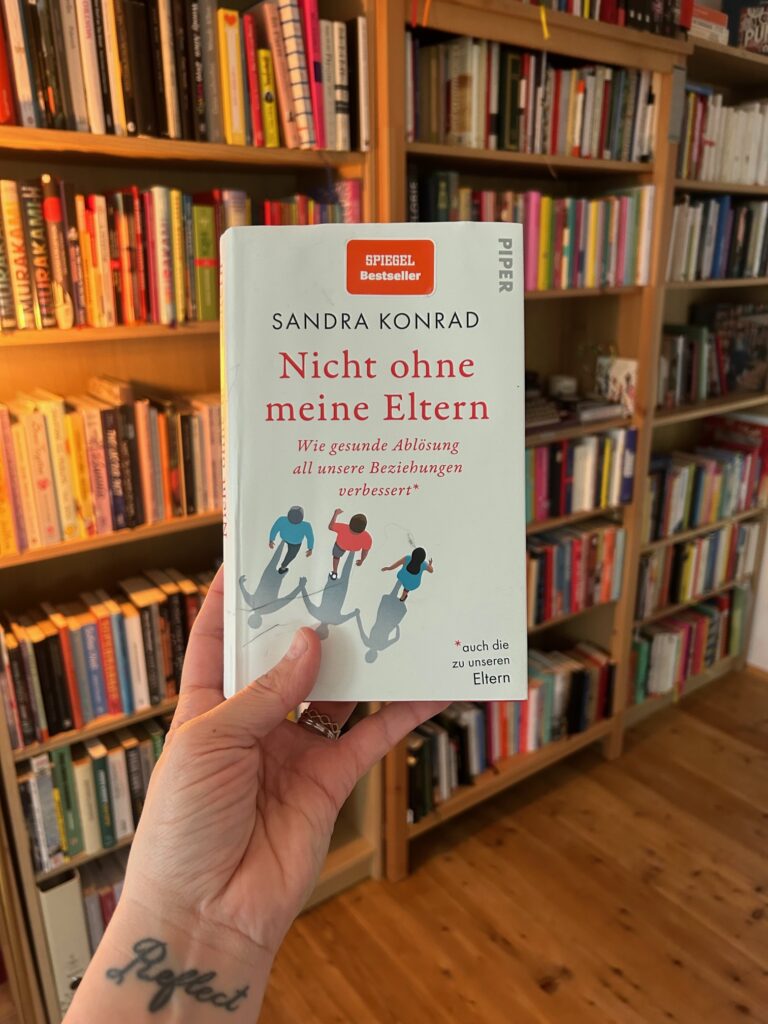
Psychologie interessiert mich brennend. Ich liebe es mein Wissen zu erweitern denn nach oben gibts es keine Grenzen. Das Buch welches ich heute rezensieren möchte ist von Sandra Konrad und heisst “Nicht ohne meine Eltern”. In diesem Buch findet der Leser heraus wie gesunde Ablösung all unsere Beziehungen verbessert – auch die zu unseren Eltern.

Um was es genau geht:

Gesunde Bindungen durch gesunde Ablösung?

Das Verhältnis zu den eigenen Eltern ist nicht immer leicht. Manchmal ist es das genaue Gegenteil. Vorbelastet, schmerzend und vielleicht sogar gefährlich.

Dennoch ist die Ablösung von den eigenen Eltern oft nicht einfach. Warum sie aber unglaublich wichtig ist und auf welche Arten wir und unsere Beziehungen davon profitieren können, zeigt Konrad in ihrem Buch ›Nicht ohne meine Eltern‹.

Vor allem aber berichtet Konrad, wie gesunde Ablösung überhaupt funktionieren kann, in welchen Schritte diese erfolgen kann und was dabei hilft. Dabei setzt sie sich unter anderem mit Schuld und Schuldgefühlen, kindlichen Erwartungen, psychischen Erkrankungen und Geschwisterkonflikten auseinander.

»Es erklärt, wie der Grad unserer Ablösung unser ganzes (Beziehungs-)Leben beeinflusst. Vor allem zeigt es Wege aus der Verstrickung. Es stellt Ihre persönliche Entwicklung in den Vordergrund, ohne Ihre Familie in ein schlechtes Licht zu rücken.«

›Nicht ohne meine Eltern‹ will durch eine gesunde Ablösung helfen, Frieden zu finden und eigene Beziehungen zu gestalten. Dafür geht das Buch auch der Frage nach, ob man seinen Eltern verzeihen muss und untersucht unterschiedliche Rollen. Auch Selbstfürsorge spielt für Konrad eine zentrale Rolle.
Konrads Buch ist kein Anti-Eltern-Buch. Es geht nicht darum, Menschen für ihre Fehler zu verdammen, sondern zu schauen, wo mehr Ablösung notwendig ist und wie sie auf gesunde Weise gelingen kann. Ablösung muss nicht den Kontaktabbruch bedeuten. Dass die Eltern-Kind-Beziehung sogar an der Ablösung wachsen kann, zeigt Konrad vielfach.

»Ich spreche von wachsender Selbstständigkeit, von altersgemäßer Unabhängigkeit, von der Fähigkeit, eigene, selbstbewusste Entscheidungen zu treffen, kurz: das eigene Leben zu leben. Das eigene Leben zu leben – nicht jedem gelingt dies.«

›Nicht ohne meine Eltern‹ ist sensibel und klar geschrieben. Konrad ist eine gute Beobachterin der verschiedenen Eltern-Kind-Beziehungen und der Probleme und Herausforderungen, die daraus erwachsen.
Im Regelfall ist die Eltern-Kind-Beziehung die erste Bindung, die den Menschen wirklich prägt. Es überrascht nicht, dass damit allerlei Hürden verbunden sind und dass die Konsequenzen sehr weitreichend sein können, wenn es hierbei zu Problemen kommt.

»Abschied von den Eltern zu nehmen bedeutet, sich von elterlichen Erwartungen und Aufträgen zu lösen. Sich von ihrer Zustimmung so weit unabhängig zu machen, dass eigenständige Schritte überhaupt möglich werden. Was sich so sinnvoll und einfach anhört, ruft in vielen Familien Konflikte hervor.«

›Nicht ohne meine Eltern‹ ist für mich ein wunderbares und tief gehendes Buch über die Ablösung von den Eltern. Ich habe lange an diesem Buch gelesen oder eher damit gearbeitet – nicht wegen des Umfangs, sondern weil ich vieles erst einmal sacken lassen wollte. Vermutlich werde ich es zu gegebener Zeit noch einmal lesen, um so viel wie möglich aus diesem Buch mitzunehmen. Sehr viele Passagen wurden unterstrichen, annotiert und hervorgehoben um auf diese nochmals schneller zurückgreifen zu können.

Dieses Buch fasst wunderbar zusammen, welchen Anteil ein Kind und ein Elternteil an Ablösung haben kann. Besonders gut fand ich all die Beispiele. Diese regen zum reflektieren und nachdenken an.

Fazit: Hilfreich und inspirierend für die eigene, gesunde Ablösung – nicht nur von den Eltern.

.Book Thursday.

“Heroes go forth. To be alive is to go forth.” 

What this book is about:

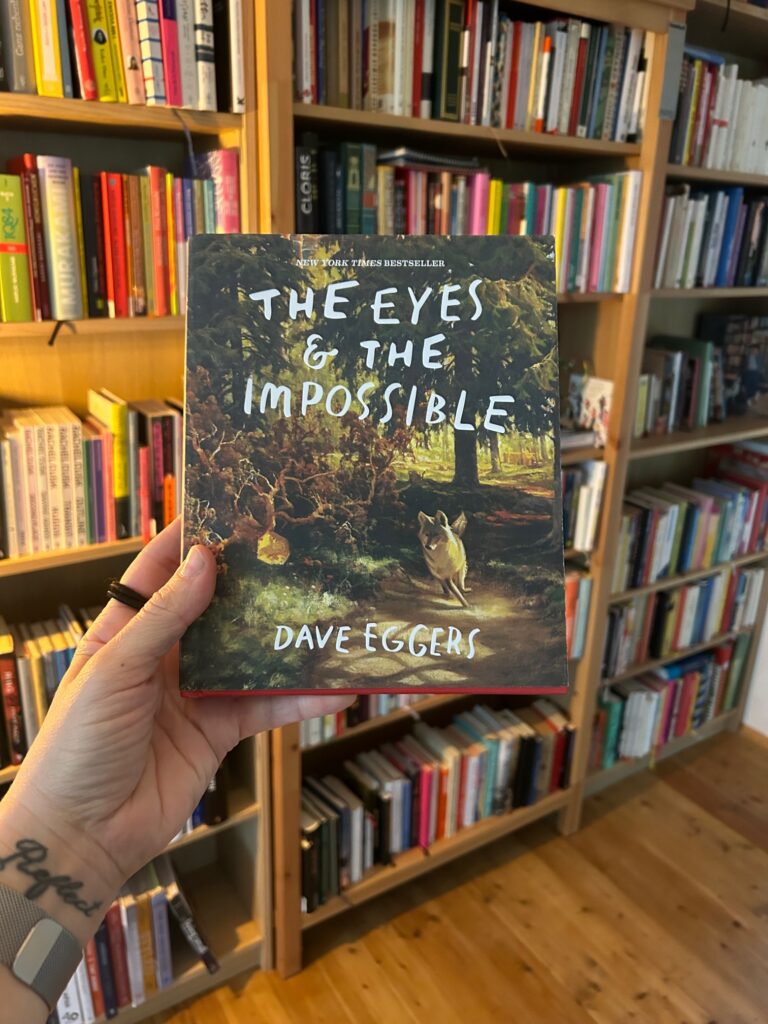
Johannes is a free dog who lives in a park on a small island. He loves running and keeping track of everything that is happening in the park including human activity as well as the other animals. He is the “Eyes” of the park, reporting back to the three Bison who are the “Keepers of the Equilibrium”. He has a team of Assistant Eyes – a seagull, a raccoon and a squirrel to help him with his duties.

As the narrative progresses, we follow Johannes and his friends as they encounter several disturbances to the Equilibrium-the construction of a new structure in the middle of a park, the “rectangles” that fascinate Johannes, the hundreds of goats that are new to the park, the Trouble Travelers and the Control- the- Animals people and the Parks People who are on the lookout for a coyote that has been seen in the vicinity. Johannes also embarks on a quest to free his Bison friends who are fenced in an enclosure in the park. Not everything will go according to his plans and he will face a series of obstacles in the process, learning much about the way the world works and himself in the process.

Please note that this story does not employ anthropomorphism as a narrative device or metaphor. This is a story about animals that coexist in the same habitat, each with their own habits and rituals, and in no way are meant to represent human behavior in any form. The author makes this clear at the beginning of this story. “And, most crucially, no animals symbolize people. It is a tendency of the human species to see themselves in everything, to assume all living things, animals in particular, are simply corollaries to humans, but in this book, that is not the case. Here, the dogs are dogs, the birds are birds, goats are goats, the Bison Bison.”

The story is presented to us in Johannes’ first-person. In turn moving, reflective and humorous and touching upon themes of friendship, family, freedom and change The Eyes & the Impossible by Dave Eggers is a delightful read, full of heart and humor, that readers of any age would enjoy, despite the target audience being younger readers. Johannes is an endearing narrator with an interesting worldview. His observations on human behavior, compassion for his fellow animals (though he isn’t quite sympathetic to the ducks in the park) and his inquisitive nature kept me hooked till the very last page. Illustrator Shawn Harris adds Johannes to the classical landscape paintings interspersed throughout the narrative which are beautiful and perfectly complement the prose. 

“If we go through life assuming everything will be complicated, and then it is complicated, doesn’t that make us better prepared? What I mean is, if we expect life to be complicated, and life is complicated, then life is simple, right?”

Why I loved this book:

This is the single most delightful book I’ve read in quite some time!! It is delightful, with adventure and strong themes of friendship. And I laughed out loud all the way through this book. Johannes directly addresses the reader in a very casual voice throughout the novel. And whether it’s his inability to estimate numbers or his antipathy towards ducks (Don’t trust the ducks!), I was there for it.

In short, this book brought me joy. Absolute joy. And I know that I will be revisiting it. And, hopefully sharing it with many, many people along the way.


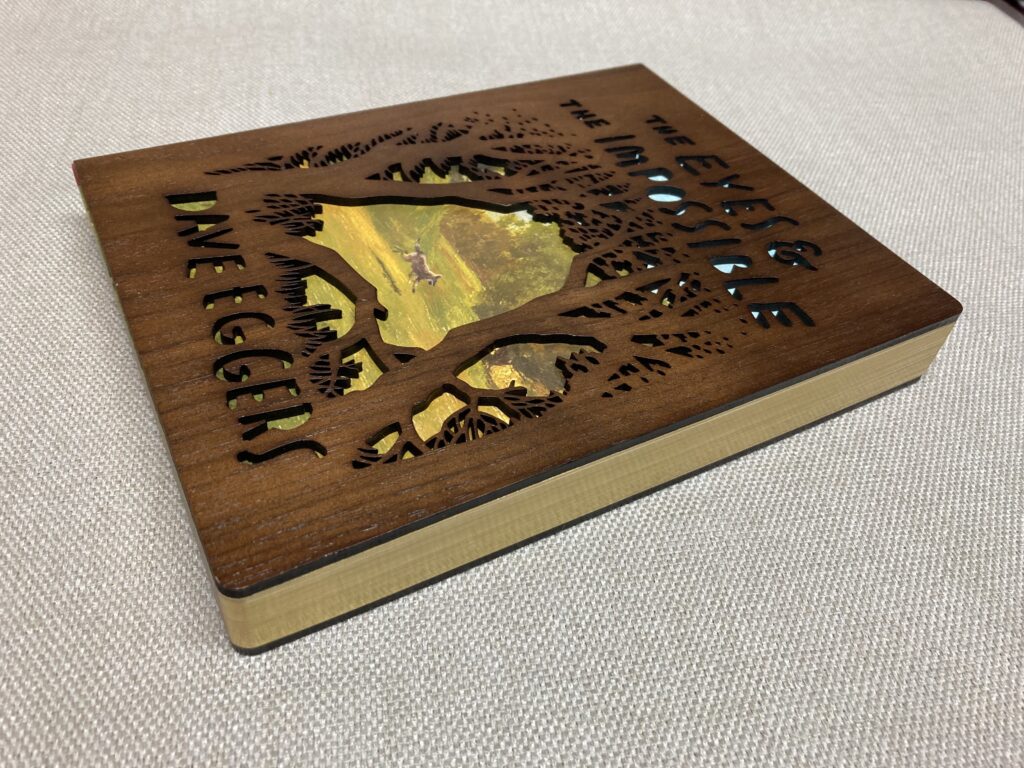
Finally, a note on the format. So, the photo all the way above is the version of the book I have. But there is a special edition published that is one of the most beautiful books that I have ever seen, and it’s being sold exclusively in independent bookstores. It has wood front and back covers, with a painting showing through burnouts on the front cover. There are full-color, edge-to-edge painted illustrations all throughout the novel. And there are gleaming gilt edges on all sides. It is simply stunning! And the most impressive thing of all? The beauty on the inside exceeds the beauty on the outside. Get to your local independent bookstore and grab one fast. Also, the audiobook read by Ethan Hawke (which is also amazing) highlights every single bit of the considerable charm, humor and poignancy this novel has to offer. It is well worth listening to. Personally, I think every library needs multiple editions.

.The Easter Bunny.

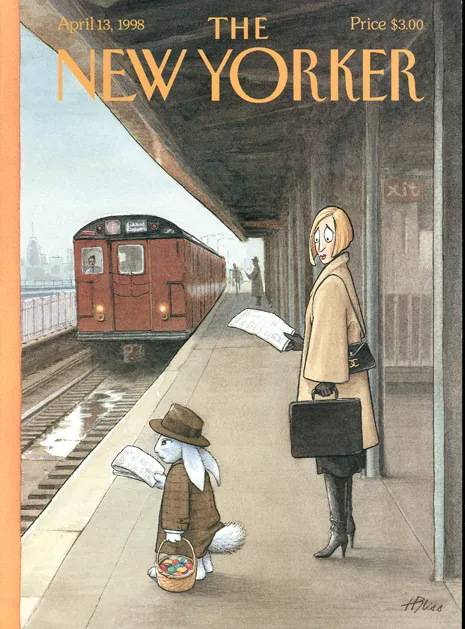
Okay, fine. You caught me. Congrats on catching the real Easter Bunny in the act. Yeah, I’m real. As real as Santa Claus. You know what else is real? My hatred of Santa Claus. Seriously, screw that guy. Like his job is any harder than my job. You know how long it takes to hide two dozen eggs? How much creativity? What I do is much more complicated than throwing a bunch of presents under a tree.

But please continue to regale me with tales of wonder about Santa and his elves, the hundreds of talented elves making and wrapping the toys for Santa, happily taking care of all of the details that make Christmas so… Christmas-y. Such a plentiful support staff. And every last one of them is abso-fucking-lutely delighted to make Santa’s job easier. None even entertain wishes or dreams of their own. Nope, they’re just there for Santa. What else could they even want? So don’t think for a moment that they’re being exploited, that they’re an indentured workforce, trapped in a frozen wasteland, working off a debt they know they’ll never fully repay. Don’t think that because it’s probably not true. Only maybe I’ve heard some shit. From very reliable sources.

This is not my point, though. My point is, whether there’s a secret North Pole Elf Dungeon or not, Santa’s got people doing all his shit for him. But take a wild guess at who helps the Easter Bunny make Easter happen. Ever wonder who’s raising and feeding the chickens that lay a septillion eggs? Or who’s decorating those eggs? Ever wonder who weaves the Easter baskets and makes the treats that go inside them? A legion of helpful elves? Hell no. It’s just me. And I don’t even have opposable thumbs! Okay, I’m exaggerating. Not about the thumbs. That’s accurate. I’m a rabbit. Truth be known, I outsource nearly all of it. I’m not a fucking idiot. But who has to make sure the Excel Spreadsheet is up to date, and that the vendors come through in a timely fashion? This rabbit. And this rabbit alone.

Oh, wait, silly me, you probably want to see my Quantum Rabbit Hutch in person, right? What do you mean you’ve never even heard of it? It’s the vehicle that makes it possible for me to do what I do. I designed it. I built it. It bends fucking time and space. And absolutely no one gives a shit about it. But that’s cool. I guess a faster-than-light vehicle is ultimately not as interesting as a sled driven by pack animals.

Look, sorry to vent. That’s the cost of catching me. Because there’s no Mr. Bunny back at the warren to rub my feet, bring me a cocktail, and listen to my tales of woe. Yeah, that’s the other thing: I’m a lady. Don’t even get me started on the sexism at the center of all of this. I don’t have the time. These eggs won’t hide themselves, and I still have half the world to cover, including the North Pole.

Can you believe that shit? I still gotta make Santa’s Easter special. Just fucking typical.

.Book Thursday.

“She had repeated this trip every August 16 at the same time, with the same taxi and the same florist, under the fiery sun of that destitute cemetery, to place a bouquet of fresh gladioli on her mother’s grave.”

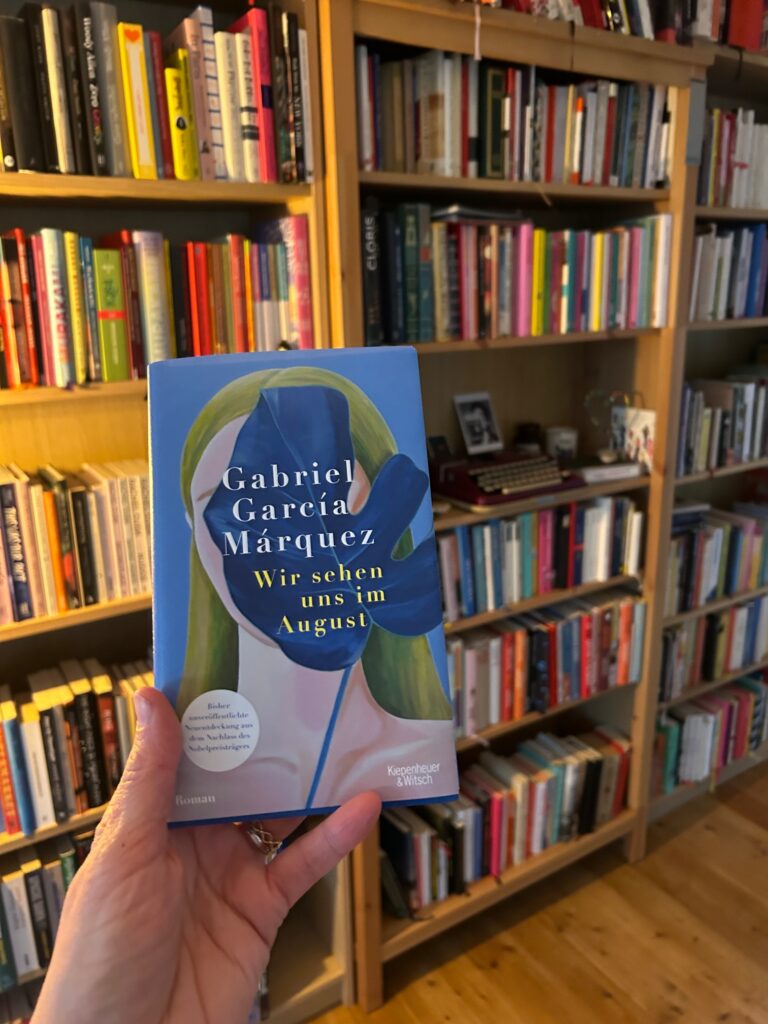
Until August (Wir sehen uns im August) by Gabriel García Márquez (translated by Anne McLean) revolves around forty-six-year-old Ana Magdalena Bach and her annual visits (on the 16th of August) to the island where her mother is buried. Ana’s itinerary includes a visit to the cemetery where she places a bouquet of her mother’s favorite flowers and indulges in a one-night stand with a different man every year before she returns to her family – her musician husband of over two decades and her two adult children. One of her trysts ends in a humiliating gesture and she carries both the emotional and physical reminder of the same through the years. Every visit to the island and her experiences with the men she meets inspires her to reflect on her actions, her marriage and her family. In sparse prose we are given insight into her motivations, her internal conflict and her desire in a journey of self- explorations with a thought-provoking ending.

A departure (in terms of theme and approach) from the nature of Gabriel García Márquez’s more famous works, this is not the author at his best but for those of us who have enjoyed the author’s work in the past, it won’t be difficult to appreciate the segments that shine with the author’s brilliant writing. But sadly, that is all we can expect from this short novella. I have no doubt had this manuscript been developed into a full-length novel with well-fleshed-out characters, and their motivations and relationships explored deeper; this would have been a worthy addition to the author’s oeuvre.

Please read the Preface to the novel where the author’s sons discuss their decision to publish this novella posthumously despite his wishes to discard the draft manuscript. A segment of this novella (translated by Edith Grossman) was previously published (1999) in the form of a short story. 

Releasing a posthumous work by a beloved author will always be a fraught exercise, even more so when the author in question is widely considered one of the 20th century’s best. Pre-publication hype is countervailed with confected outrage about ‘betraying’ the author’s wishes.

Gabriel García Márquez did not think Until August ready to be published, but it is by no means ‘rough’ or incomplete. Per the explanatory notes, this was the fifth draft. It may not have been perfectly polished to the author’s highest standard, and there is a suggestion that it was intended as a part of a larger whole — a cycle of novellas — yet it works just fine as a standalone story and is not some kind of inferior work.

That said, if you have not read García Márquez before, don’t start here. Until August is not characteristic of his famous style, containing no magical realism (although you could argue the book’s ending contains just the slightest hint) or baroque prose flourishes. The style is spare and pared back, the story simple and repetitive in the manner of a piece of music. The overall effect is of old-fashioned charm and elegance mingled with tawdriness, like evening wear scented with sweat and booze. It is a very short work (despite claims of ‘novel’ on the cover), barely cracking 100 pages, and that is with large type and wide margins.

I can remember reading One Hundred Years of Solitude and a switch flipping in my brain: books can be this? It felt like graduating to an entirely different level of reading experience. Until August is not likely to have that effect on anyone (what an incredibly high bar!) It feels like what it is: a minor work of a master.

.Book Thursday.

I love Japanese authors and their style of writing. Many stories are unique in that they utilize magical realism, a style of writing that combines mystical elements with real-life experiences. Usually, there is a mix of fantasy and reality, which Japanese authors use to explore themes like loneliness and self-discovery interestingly and imaginatively. But not in Love Like the Falling Petals.

What this book is about:

A photographer, Haruto, meets kind hairdresser Misaki. Misaki reveals that he was her very first client, which he finds endearing, and he falls in love with her at first sight. Haruto bends the truth and introduces himself as a photographer.

Haruto continues to return to get his hair cut by her, and the two become close. One day, Haruto decides to ask Misaki on a date, bringing up the topic while getting his hair cut. Incidentally, he moves his head and causes Misaki to cut the tip of his earlobe, making him bleed profusely and pass out.

A few days later, a frantic Misaki meets with Haruto to apologize for the injury. He brings up the question of a date, to which she agrees. Misaki’s protective older brother does not approve, however, as he only wants what is best for her.

They go on a date to see cherry blossoms, where Haruto reveals that he is not currently a photographer and is at a crossroads. Misaki becomes furious that he stopped pursuing his dream and advises Haruto not to give up so easily just because things get hard. They start to date more seriously. 

Their happy romance comes to a halt, as Misaki falls ill, leading to a doctor’s visit where she is diagnosed with progeroid syndrome: a disease that ages her extremely fast, deteriorating her body at an alarming rate. Misaki’s case is extreme, leaving her with less than a year to endure the debilitating symptoms.

Misaki, devastated, goes into seclusion and cuts Haruto off. Although heartbroken, Haruto tries to move on from Misaki. He concentrates on his photography and bears the fruits of his efforts, which helps in his journey of healing but he never forgets her and loves her still. Misaki ages rapidly but contacts Haruto again because she loves and cannot forget him….

Why I loved the book:

I love love. In this book, the ephemeral nature of love and life is depicted through the motif of cherry blossoms, which Japanese people cherish as a metaphor for life. Cherry blossoms only bloom for a short period every year. Throughout the story, I hope readers, regardless of their culture or nationality, can experience the sentiment that life is as beautiful and transitory as the falling cherry blossoms.

I was touched by the way the author, Uyama, depicts the varying forms of love. In addition to being a beautiful depiction of a budding relationship between young adults, the story illustrates the themes of familial love, grief and loss in a sincere way.

Love Like the Falling Petals is a heart-wrenching tale that will take you on an emotional journey and paints a vivid picture of the country’s culture and traditions while exploring the universal themes of love, sacrifice, and the power of the human spirit.

Written with raw emotion and masterful storytelling, Love Like the Falling Petals is a must-read for anyone who has ever fallen in love. Don’t miss out on this moving and unforgettable story! Also, the book has been made into a movie if you would like to watch.