Recent Posts

.MICROBIOME 101.

Microbiome whaaaaat? What is she talking about now? Well, let me enlighten you. Science is now showing how powerful our microbiome is, and how it influences many different areas of our body. In today’s post, I am covering what the microbiome is, why it’s so…

.Boat & Sharks.

Hi, it’s me, the mom of an eight-year-old child who is currently picking off small pieces of coloured tape I put on the floor because some Montessori Mom’s Instagram account said this would distract him long enough for me to take a break and read.…

.The Importance of Gut Health.

I’m passionate about gut health. From a personal perspective, I’ve experienced first-hand the debilitating symptoms associated with a severe case of gastroenteritis and gallstones. And as a result, you bet I’ve done a whole lot of work on healing my gut because this was no fun!

The digestive system is one of my favourite parts of the human body as it’s truly the basis for whole-body health. It’s where we digest, absorb, and assimilate nutrients and it’s the major home of our immune system, protecting us from harmful pathogens, foreign particles and toxic substances entering our body. Our digestive tract is the primary barrier between us and the outside environment, and that is why gut health is so critical.

In a perfect world, our gut would be happily metabolizing the food we eat, removing waste efficiently and fighting off illnesses effectively. And while many people go through most of their life without much complaint, many aren’t experiencing the luxury of a robust digestive system and are instead experiencing food triggers, uncomfortable digestive symptoms, unusual bowel habits, and chronic inflammation.

Fortunately, there are some steps we can take to mitigate these issues. And while it definitely involves patience, it’s absolutely possible to make improvements in your gut health. Each of the steps listed below were all things that I did when my digestion was an absolute disaster a few years ago, and some of them are still part of my life to this day.

5 Steps to heal your gut

Healing your gut involves a few specific steps collectively known as the 5 R’s (remove, replace, reinoculate, repair and rebalance). Removing triggers, replacing your digestive system with factors that help it to function optimally, reinoculating your gut with the bacteria it needs to thrive, repairing tissues with specific types of healing nutraceuticals (supplements), and rebalancing the body with new lifestyle habits.

Before we dive in here, I want to point out that this process is best done alongside a qualified healthcare practitioner who has a thorough understanding of your unique situation.

1. Remove

This first step involves removing 3 main categories from your diet IF APPLICABLE.

*Please note that the removal of foods from your diet should be done carefully. This is a step that can lead to disordered eating behaviours if not done with proper guidance. The specific foods eliminated will depend on what’s contributing to your unique symptoms.

  • allergens/sensitivities
  • irritants
  • pathogens (if present)

This step involves removing triggers in the form of offending foods (food sensitivities, intolerances, allergies), items that promote inflammation or gastric irritation such as alcohol and removing any existing pathogenic infections such as bacterial overgrowths or candida. Antimicrobials such as black walnut, oregano oil, grapefruit seed extract, olive leaf extract, berberine, caprylic acid, and garlic can help eradicate these infections.

An elimination diet may be helpful for determining your unique intolerances. This is a period of about 4-6 weeks where common food triggers are avoided and then re-introduced to determine tolerance. Foods are never intended to be avoided indefinitely in this process unless absolutely required (such as allergy).

Reminder: It’s best to work with a qualified healthcare practitioner for any kind of elimination diet or when undergoing antimicrobial therapy.

2. Replace

Step two is to replace the factors that are lacking or not functioning optimally in our digestive system so that we can restore the proper function of our digestive organs such as our stomach, liver, gallbladder, or pancreas.

This can be achieved via supplements and may include stomach acid support (hydrochloric acid, apple cider vinegar), digestive enzymes, bile salts and/or digestive bitters. These types of supplements are very useful for easing the burden on a poorly functioning gut, enhancing our ability to break down and extract nutrients from food, and reducing symptoms.

Everybody’s requirements are different. Again, speak to your healthcare practitioner if you have questions about taking these kinds of supplements.

3. Reinoculate

Step three is to reinoculate! It’s a fancy word, but it simply means to reintroduce, and in this case, reintroduce friendly bacteria. If antimicrobial therapy (in step 1) was done, then this step would happen after.

Microbes play a critical role in what’s known as our microbiome and disruptions in this delicate bacterial balance from things like antibiotics, stress, food triggers, or a diet low in fibrous plant foods can lead to an array of symptoms and conditions (such as IBS).

Slowly increasing your consumption of prebiotic-rich foods (these are plant foods like vegetables, fruits, grains and legumes that stimulate the growth of our gut flora), probiotic-rich foods such as sauerkraut, kimchi and yoghurt, as well as good quality probiotic supplementation is very important here.

4. Repair

The repair phase is where you really begin to put an emphasis on repairing the gut even further.

This is done through specific types of nutrients that have very therapeutic uses such as tissue-repairing glutamine (a favourite of mine), zinc, soothing deglycyrrhizinated licorice (DGL) and other mucilaginous herbs, and anti-inflammatories such as turmeric and omega-3 fatty acids from fish oil. Your healthcare provider can help shed some light on which ones may be best suitable for you and your unique case.

5. Rebalance

The fifth step is to rebalance the body with supportive lifestyle habits, such as reducing stress and getting proper sleep. These are often overlooked when we think about healing because it may not always feel like they make a big difference, but indeed they do. Maintaining a gut-friendly way of eating is also important, including the points mentioned in #3: Reinoculate phase.

Meditation, deep breathing exercises, and adaptogenic herbs are all things that can support this rebalance phase.

It’s important to remember that healing takes time. There’s no magic formula to improving your health nor is there a one-size-fits-all approach. It’s also important to remember that many of the lifestyle changes we make to better ourselves should be part of our lives long-term to continue to support our body (and to prevent us from slipping back to where we were before).

Once again, if you have any concerns, always speak to your healthcare provider.

Questions? Got an experience to share? Leave it below in the comments! I’d love to hear from you.

.New Updated School Covid Policies.

Dear Parents, there are some great news about a new testing system called “Flow Flex Test” (this is actually a new thing at schools to test kids!) at schools and we hope you had a wonderful evening and are delighted to welcome you back to…

.How to: Healthy Food Relationship 101.

Have you struggled with fears, obsessions, or feelings of guilt or shame around your food choices? Or perhaps you’ve found yourself stuck in a cycle of “starting fresh tomorrow”, or restricting foods in your diet. If you can relate, today’s post is for you. Today…

. The Ultimate Hangover Cure.

Hangover? Do you want to play a little game?

Riddle Number 1

There is a room with five chairs in it. Eight people are standing in the room. Some of them are Vampires.

Some of them are Normals. Vampires always lie. Normals always tell the truth. The room has three enormous windows in it, all facing west. It is six o’clock on an October evening.

Sunset may be seen through the westward windows. It is magnificent. (By the way, the Vampires have been awake all day. The sun does not kill them. They are not that kind of Vampires.)

The Vampires are very handsome and beautiful at the same time. They only tell handsome and beautiful lies. The Normals are wandering around the room, spreading rumours wherever they go.

There are two large bottles of inexpensive wine on the table, one of which is poisoned, one of which is not. Also, you are ruinously drunk.

Either a Vampire or a Normal touches your shoulder and suggests something that surprises you. It begins as a statement and ends as a question. Without feeling for fangs, and lying or telling the truth as you see fit, what three questions and two statements do you pose in order to determine whether you are standing or sitting down?

Hint: The wine is rosé.

Riddle Number 2

Combine the yolk of one egg with half a liter of soda. Add milk and vodka (warm) to taste. Rent Working Moms on Netflix and begin watching it. Drink the yolk/soda//milk/vodka combination while watching the first three episodes of Season 1 while rubbing your bare feet on the carpet.

Upon conclusion of the first three episodes, decide to take a shower, then change your mind. Prepare a box of instant mashed potatoes as directed. Add one whole bottle of Tabasco and the juice of one lemon. While mixing, remember high school until it becomes too painful to continue. While sucking on one ice cube, watch the rest of Season 1.

Sleep for ten hours.

Awake at sunset and suddenly realize: Everyone is standing, excluding yourself. Attempt to explain this to your husband or wife. Ask around to find out how you ended up on the bath mat and not in your bed.

So, you are done with the riddles. How do you feel? Now one final game.

The Name Game

Take the name of your pet as your first name and the name of the street you grew up on as your last name. That’s your Porn Star name.

Take the last name of the person you love as your last name. If you are a heterosexual woman, that’s your Oppressed by the Patriarchy name. If you are a heterosexual man, that’s your Sensitive New Age name. If you are a gay person of either gender, that’s an affirmation of your love.

Aim at your neighbour with a large club, then hit him over the head and take his wallet. Hide his body in the shed outside his house. The name on his credit cards? That’s your Fugitive from Justice name.

Take the kind of first name given to girls whose parents followed the Grateful Dead. Now take a patrician surname of English origin. That’s your Public Defender’s name.

Take a random six-digit number as your first name. Drop your last name. That’s your official Prison name.

Take an interjection used to call attention as your first name. Take the proper term of a female dog as your last name. That’s your unofficial Prison name.

Take the name you used back when everyone had walkmans. Boy, that takes you back, huh? That’s your You are Old name.

Imprisoned for not taking the vaccination shot? Take note of the name your cellmate whispers repeatedly in his sleep. That’s your Corona name.

Take a name from the list of most common names for babies in 1965 as your first name. Take a name chosen at random from the phone book as your last name. That’s your Witness Protection Program name.

Take your middle name as your first name. Take your mother’s maiden name as your last name. That’s your Romance Novel Name.

That should be sobered you up.

You are welcome.

.Girls Gone Mild.

THAT IS IRRATIONAL! THAT IS STUPID! THEY ARE MAKING THINGS DIFFICULT FOR THE SAKE OF IT! When I encounter emotions and behaviours that do not make sense to me, it is often because I do not have all the information. And in the absence of…

.Me and the Billa Self-Check-Out-Lane.

I hate self-checkout lanes at stores. I don’t like the notion to replace humans with machines. I like the social contact and the small talk at the register. But then the other day I only had three items, the line at the register was really…

.Processed Food 101.

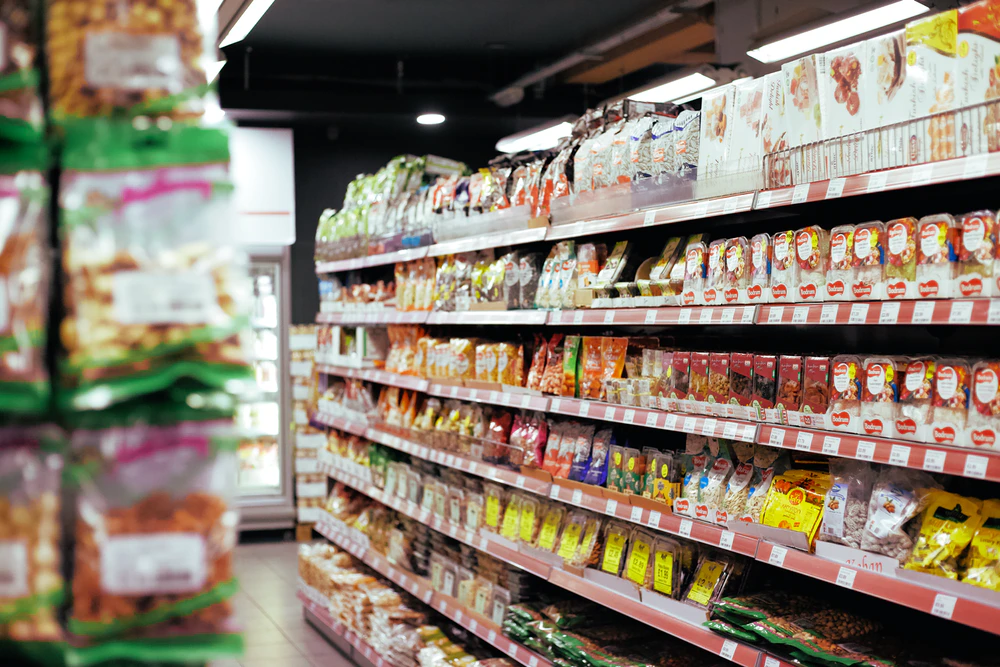
Many of us are made to believe that all processed foods should be eliminated from the diet, but in today’s post, I’ll be shedding some light on what food processing means and the many different kinds.

Processed food is a term we hear left and right. You may have been told before to avoid processed foods in order to lead a healthy lifestyle, but hear me out my friend: not all processed foods are created equally.

While I appreciate the sentiment (I’ve thought that exact way before, too!) food and food processing is much more nuanced than being either good or bad.

Let’s clarify what “processed” really means so you can make the best choices for you and your family, without feeling anxious or confused when grocery shopping or making other decisions around food.

WHAT IS FOOD PROCESSING?

Processed food is any type of food that has undergone changes to its natural state. This can include any of the following:

  • washing and cleaning
  • milling or pressing
  • cutting, chopping or mixing
  • heating, pasteurizing, blanching or cooking
  • canning, freezing and fermenting
  • extracting, drying, dehydrating
  • packaging orother types of procedures that change its natural, whole state

In some cases, ingredients like preservatives, flavours, nutrients or other additives such as salt, sugar, or fat, may be added in. As you can see, almost all foods are processed to some degree before we eat them. This is why it’s helpful to differentiate between the different types of processing rather than declaring processed food overall as inherently bad or unhealthy.

One way that we can classify the different types of processed foods is with a system known as the NOVA classification system that was introduced in 2009.

TYPES OF FOOD PROCESSING

Unprocessed or Minimally Processed Foods

Unprocessed foods are what many of us describe as “whole” foods. These are foods that are unadulterated and found in their whole, natural state. This includes foods like fresh fruits and vegetables, whole grains, legumes, nuts and seeds, and animal proteins.

Minimally processed foods have been slightly altered for the purpose of preservation without substantially changing the nutritional content. Cleaning and removing inedible parts, grinding, refrigeration, pasteurization, fermentation or freezing are examples of minimal food processing. Shelled nuts, pasteurized dairy, or pickled vegetables fall into this category. These kinds of processing allow the food to be stored for a greater amount of time and remain safe to eat.

Processed culinary ingredients are another category of minimally processed foods that have been pressed, ground, or milled. This can include oils from plants (e.g. olive oil), spices, and flour or pasta from whole grains. They’re not usually eaten on their own but rather help prepare or season dishes.

Processed Foods

These foods may have the addition of salt, sugar, or fats and have been mixed or packaged in some way. Examples include some canned fruits and vegetables, canned beans, tomato sauce, pasta, nut butter, or canned fish. These foods are usually made with only 2-3 ingredients and are still generally recognized as containing whole foods.

Ultra-Processed Foods

These foods are the most highly processed and contain little if any intact whole food component. Examples are sugary drinks, cookies, candy, some crackers, chips, sweetened breakfast cereals, frozen dinners, and processed luncheon meats. Ultra-processed foods also tend to contain additives such as dyes and colours, stabilizers, flavours, or artificial sweeteners. Processing aids that are often used in ultra-processed foods include carbonating, bulking, anti-caking and glazing agents, emulsifiers and other such additives that promote shelf stability, maintain texture, and make the foods more palatable.

Additionally, ultra-processed food products are branded and packaged attractively, in ready-to-eat packages, and are more hyper-palatable. Many of these foods tend to be low in fiber and nutrients compared to unprocessed or minimally processed foods, which is why they should make up a much smaller part of one’s diet.

The term ultra-processed food was coined in 2018 by Brazilian researchers who conducted a large study where they analyzed over 100,000 adults and found that consuming a high amount of ultra-processed foods was linked to greater health risks, such as cancer.

THE BOTTOM LINE

Ultimately, not all processed foods are bad and there’s certainly no need to eradicate them from your diet completely. As a general rule of thumb, the more unprocessed or minimally processed foods you eat, and the less ultra-processed foods you eat, the better for your health. In doing so, you’re ensuring you’re getting plenty of fibre and nutrients.

Minimally or moderately processed foods can absolutely be part of a well-balanced diet. Canned beans, tomato sauce, yoghurt, canned coconut milk or tuna are all small examples of processed foods that are nutritious and help add convenience to day-to-day cooking. If buying a pre-made sauce that you love the taste of and look forward to enjoying with salad or as a marinade with a home-cooked meal, then in my books, it’s a vehicle for helping you get whole foods into your diet more easily. And that’s a total win!

And while yes, we don’t want ultra-processed foods to make up a large part of our diet, enjoying cookies, ice cream, or potato chips sometimes is not a crime. You now know that they’re simply best eaten less often.

I hope this post taught you a thing or two about food processing. Leave me a comment below — what was most surprising to you about processed foods? What was your biggest takeaway from this article?

.Purpose & Reason.

I am not into any particular religion but I am open to new things. The other day I stumbled upon a book on Buddhism that I enjoyed. I would like to share what I loved the most. There is an old Buddhist proverb called “The 84th…