Recent Posts

.Stress-Free Eating over the Holidays.

Happy Holidays & Omicron Greetings, it is that time of year my friends! Corona-Omicron-Christmas 2021 isn’t far away. This time of year is full of all kinds of things for those who celebrate, and while it all feels admittedly different again because of COVID-some-mutation, dinner…
Is Parenting just Black or White?

Many of my friends told me when they found out that I am pregnant that they cannot picture me as a mother and gave my son a survival expectancy of approximately three months. “You might just forget him in a museum, bookstore, or at a…

.Nutrition & the Environment and what it all boils down to. (Part 1)

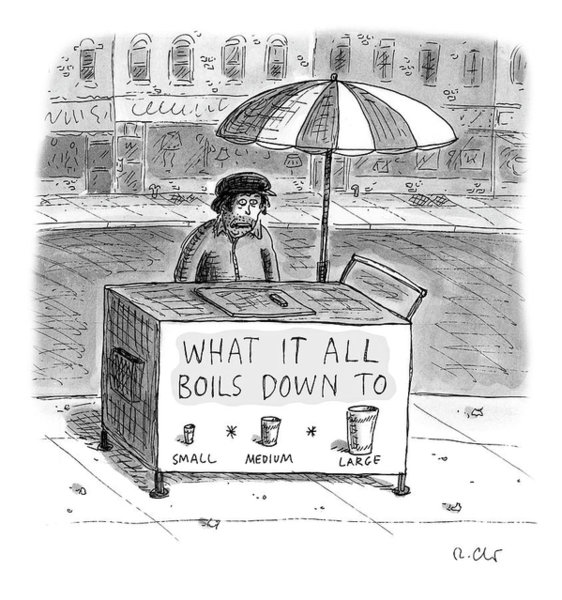
via The New Yorker

Why is organic expensive and why buy it?

Organic products are more expensive because of higher production costs. These include the cost of organic seeds and fertilizers, labor, lower yields of certain crops, and marketing. Organic products are also not subsidized by the government, as are commercially produced products. The growing of organic products prevents soil depletion and contributes to maintaining water quality; it uses less energy and keeps harmful and unnecessary chemicals off our plates. Organic products are not exposed to antibiotics: buying them means you help protect farm workers and support an economy that promotes biodiversity. Most importantly, the taste and flavor are so much better. 

It is also wise to avoid crops that have been grown with genetically modified organisms (GMOs). Check the source of the meat, eggs, and dairy you buy; milk, cheese, eggs, meat, and poultry could all come from animals that were given GMO feed. If you are concerned, choose organic or non-GMO verified. Certified organic products do NOT contain GMOs. Look for the no-GMO label. The five most prevalent GMO crops – corn, canola, soy, cotton, and sugar beets – end up as hidden additives in all kinds of prepared foods including corn syrup, oil, sugar, flavoring agents, thickeners and hundreds of other foods. 

Feel good about frozen: most frozen fruit and vegetables are non-GMO unless they are one of these five high-risk crops: corn, Hawaiian papaya, edamame (soybeans), zucchini and yellow summer squash. Choose organic or non-GMO verified for those five and watch out for other ingredients that might be from a high-risk crop. Choosing dried beans, grains, nuts and seeds, while avoiding corn and soy, is a great way to go non-GMO. 

How do I eat more sustainably?

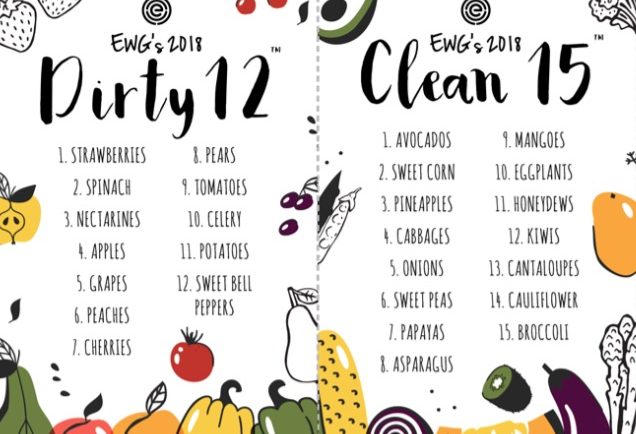
Support local and organic when you can. Shop at farmer’s markets whenever possible. Buy directly from an organic farm (great for meat, apples, pears, berries – things that freeze and store well). Support Community Shared Agriculture. Join a community garden or grow your own; a window and pot are enough to get started. Use the Dirty Dozen & Clean 15 lists and the  Environmental Working Group’s website as a reference. 

via Food Network

How do I save money and eat well? 

Plan your meals. Buy in bulk. Batch cook. Make your own stock, milk, nut/seed butter, dips, and dressings. Buy local and in season. Preserve the harvest (freeze, dry, ferment). Eat and cook meals at home. Eat cheaper cuts of meat (organ meat, ground meat, soup chickens). Support the Ugly Food Movement; apples with brown spots can still be eaten. 

Get in the habit of eating everything you buy. Older vegetables and leftover cooked rice or quinoa can make a great soup or a hearty casserole. Leftover bread can be made into croutons or frozen and saved for a yummy bread pudding. Borderline fruit can be put in the blender and either put in smoothies or frozen  for another use.

What are the impacts of Climate Change? 

Environmental impacts/What to expect according to research: The Intergovernmental Panel on Climate Change (ICCP) predicts: a rise in sea levels of up to 2 feet by 2100. Loss of freshwater (reduced snowmelt and saltwater intrusion), extreme weather patterns (hurricanes, droughts and extreme heat, floods, blizzards, tornados), forest loss due to fire and the spread of disease, oceanic acidification and dead zones, habitat change (cold – and vulnerable species) and potential mass extinction, and changing migration patterns. 

Social impact: Coastal and island nations are at risk. Drought, crop disease, lack of water and food in vulnerable areas. Climate refugees and climate migrants have no international legal protection – 26 million people worldwide are displaced annually due to environmental disasters. Land grabs, land prices, global poverty, hunger, and increased social tension all contribute to the social impact of climate change. 

Human impacts: Lack of food/diversity of food. Heat exhaustion. Nutrient deficiencies. Mental health. Crop failure due to extreme weather and rising temperatures. Lack of fresh water. Spread of tropical diseases such as malaria, dengue fever. A rise in insect-borne illnesses such as Lyme. Exacerbation of smog conditions such as asthma. 

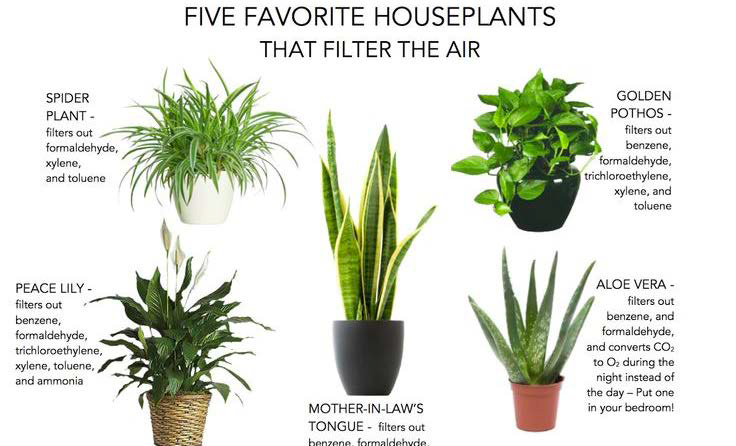
What can be done? Consume less. Buy better: Think locally, act globally. Support organizations that campaign to protect the climate. Recognize the connection of food to climate: we can make a difference! Get indoor plants. The top five houseplants that filter air are: Spider Plants, Peace Lilly, Mother-in-Law’s Tongue, Golden Pothos, and Aloe Vera! 

Now, go outside and play. 

Stay happy. Stay healthy. Part 2 is coming soon.

.My 2021 Speech on Considering the Alternatives.

Wait, let me set the scene first: Lockdown 4. I am at home and stunned to hear my name. After looking around (there is no one else in the living room except my partner), I mouth “Oh my god,” then kiss him. I stand up…

.Inflammation 101: Here are some food tips that can help you.

Inflammation is something we all hear about. But what is it, what causes it, and what are some of the best anti-inflammatory foods? I will cover it all in today’s post. Feel free to add your experiences, ideas, and insights in the comment section below.…

.It is OK to not be Ok.

Another lockdown. New rules and regulations and nobody knows what is really going on anymore. Vaccination will be mandatory? Am I still able to decide what is going into my body? I guess not because new rules will be implemented this week. Or next week. Are you depressed? For me, some days are okay and some are super horrible. Today, I will write about how I pull through this madness with humor. Maybe you will find something that works for you as well. If not, see you in the mental institution. I am the one wearing a baseball hat that is mandatory to wear in there.

  1. The new OMICRON mutation is actually a toy transformer my son has under his bed. I wonder what the “experts” will come up with once they run out of letter of the greek alphabet? They could name the spring 2022 mutation Xi-mutation but it would be kinda weird because that is the name of the Chinese President (Xi Jinping – all the things you learn here, right?!). Well, in any case, we still have some letters left, don’t we!? Also, the next mutation will be from Greece. It’s name will be Feta (just like the cheese but that is just a coincidence).
  2. Covid-19 and the related lockdowns and all the new mutations have been hard on all of us. I want you to know, it is OK to not be OK.
  3. If you need to work through your lunch hour, that’s OK.Be glad that you still have a job. In these unprecedented times, your energy levels can really fluctuate, and sometimes you are just more productive if you work straight through lunch and don’t take any breaks. Just remember that it’s OK. I guess, also if you have two 30-minute breaks. If you eat your food like a snake, by detaching your jaw and swallowing your food whole without chewing it. Also, this way, food takes 3-5 days to digest. No need to eat at all for days. Again, be glad to still have a job in these crazy times.
  4. It’s OK not to schedule any vacation. It can be hard to imagine yourself going on vacation right now with all the travel restrictions, and I don’t want you to feel pressured. If you would feel more comfortable staying in town and working, that’s OK.
  5. It’s OK to have trouble sleeping. We’re currently experiencing a great deal of anxiety as a culture, so if you’re finding you’re having trouble sleeping, that’s OK.
  6. If you’d rather knock out a meeting/training instead of eating dinner, that’s OK. The new flexibility that some experience while being in “home office” lets us structure our workday however we like, and if you’d rather conduct a meeting than eat dinner, that’s OK. Or clean your house and your kid’s bedroom.
  7. If you ever need to skip therapy because of work, it’s OK. Sometimes, it’s better to just take a step back and let your mind focus on something else, like telling people to take off their watch and belt, and that’s OK.
  8. If you feel like not going to the gym on the weekend and just taking it easy on a conference call on your couch on Sunday afternoon instead, that’s OK. You will be fine. But hey, many can work from home (just not you) which offers that flexibility, and if you want to use that flexibility to take it easy and sit on a three-hour call instead of going to a workout class you had to book six days in advance because everything is at fifty percent capacity, that’s OK! Oh, I forgot, everything is closed because the lockdown has even been extended until 2023. It’s OK to do nothing.
  9. The state of the world right now can be overwhelming, and if you just feel like lying around and doing nothing after you’ve completed all your work and the work of all your former co-workers that resigned, that’s one thousand percent OK.
  10. It’s OK to feel too exhausted to think about the future. Things like planning social events with friends, looking for other employment, etc., can be a huge mental drain that, quite frankly, you don’t need right now. If you feel too exhausted to do anything other than just work, we just want you to know that is totally OK.
  11. It is OK to cry. It is OK to be mad and be miserable. But let it all go, too. I believe there is something good in all this. And even if it is the realization that we do not need most of the things we do and consume and that it is important to get back to the basics. Things that really matter. For me, it is love, silence, family, and to make it as comfortable as possible these days. It is cold outside, my friends. Cuddle up inside. We will get through this lockdown as we did with all the other ones. We are kind of used to it by now, no?! Everything will be okay in the end. We just have to be patient, calm, and strong. Again, just focus on the basics. What do we really need?

. Magnesium 101.

You may have heard of magnesium before, but what exactly is it? Is it something you should get more of in your diet? What about supplementation? In today’s post, I am going to share with you what magnesium is, the benefits, signs of deficiency, and…

.Virus Alert.

There are people and there are people when it comes to getting a cold. Some are toughening it out. Some take a cold like a pro. Some cry in the corner if they have a mild flu. Some act like they have Ebola. Usually, and…

.How to: Intermittent Fasting.

These days, word is slowly spreading around that I am “into food and healthy stuff”. So, as announced last week, I will post weekly health articles on Wednesdays. I received some article requests recently about intermitted fasting and if it is possible to write an article about it. Here it is. 😀

Everybody talks about intermittent fasting these days and it grows rapidly in popularity. What is intermittent fasting and how do you do it? Are there benefits and who should avoid it? Interested? Read on. 

What is intermittent fasting?

In a nutshell, you basically eat the same amount of food that you usually do but during a shorter period of time. The term fasting refers to any period of time when you do not eat food. Actually, we fast every night when we sleep. It is important when we eat. Because everything is available 24/7, we can get in this habit of constantly eating all around the clock, especially late in the evening/night. What uncontrolled eating does is, for example, it creates appetite irregularities and up-and-down blood sugar patterns which can also negatively impact sleep. 

Three types of fasting methods. 

Eat-Stop-Eat (“5:2”). This type of intermittent fasting means you eat in your usual manner for five days of the week and either restrict food intake on 2 non-consecutive days (for example Tuesday and Thursday) or fast altogether on those days (no food for 24 hours). Personally, I find this method quite restrictive and have not tried it myself but heard of some people who love it. 

16:8/18:6. These are just different options for lengthier fasts that involve no food intake for 16-18 hours and eating over a span of 6-8 hours. 

Time-Restricted Eating (TRE). This type of fasting is based on the science of the circadian (natural) rhythms and means that we eat during the day and stop eating at night. With TRE you want to focus on an eating window of 10-12 hours and fast for 12-14 hours. 

Some important Benefits

  1. Intermittent Fasting supports cardiovascular health. It can help to reduce cholesterol, especially low-density lipoprotein (LDL aka the “bad one”) 
  2. Autophagy. Auto-what? Autophagy is basically a cellular cleansing process that occurs when cells have insufficient sugar. It causes them to start breaking down their own damaged, old or diseased cell fragments to create new energy and also newly regenerated cells. Pretty neat, huh! Usually, this occurs in longer fasts but we also experience it a bit during overnight fasts of 12-13 hours. Of course, we do not want autophagy to occur all the time because that would mean we are starving. 
  3. Better gut health & Inflammation. We usually do not feel like eating when we are sick. This is a natural reaction and signal the body sends out asking for a break. Intermittent fasting can lower inflammationwhich means less disease, better immune function, and a healthier body overall. Since fasting helps reduce inflammation and reboots immune function it can be beneficial for autoimmune diseases such as Hashimoto’s. Of course, always speak to your doctor if you have concerns. 
  4. Improved Blood Sugar Balance. Let’s dig out my Biochemistry book: Whenever we eat, the sugars from food signal the pancreas to produce insulin to rush it into the cells. The liver then stores fatty acids in fat cells and converts sugar to glycogen. Do you still follow? Now the body has stored all the sugars and fats from the meal and insulin and blood sugar drop. The pancreas secretes a hormone called glucagon to signal the liver to convert stored glycogen back into sugar to release it into the bloodstream to balance blood sugar. This “storage” and “burning” mode usually happens cyclically all day long and the body uses remaining stores when we sleep at night. Problems may occur when we constantly or irregularly eat all day, especially high sugar and fatty food. Then the body is stuck in “storage mode” and too much insulin is secreted all the time which can lead to insulin resistance or low/high blood sugar. Intermittent fasting is a great way to improve insulin resistance, fatty liver, and conditions associated with blood sugar regularities. 
  5. Weight loss. Intermittent fasting can aid weight loss because the body is allowed to exit “storage mode” and burn internal resources instead. It is also great to regulate appetite because it balances satiety hormones (ghrelin and leptin) and hunger. 

Who should avoid (intermittent) fasting? 

  • Those who try to get pregnant, are pregnant or breastfeeding moms 
  • Anybody dealing with extreme stress (any extended fasts (14+ hours) are stressful for the body because the body will perceive those fasts as periods of famine) 
  • Diabetics. They should consult a doctor first. 
  • Anybody with a history of eating disorders. Always make sure you consult a doctor before exploring with fasting and diets on your own. 
  • Anybody who is new to intermittent fasting should aim for 12-13 hours. 

I experiment with intermittent fasting for about one year now and I respond really well to it. I usually follow an 11 am-7 pm eating – 7 pm – 11 am fasting rhythm, usually 3 days a week but of course, there are exceptions because this is life. 

There is also a great app that you can download that allows tracking fasting/eating windows. 

Have you ever tried intermittent fasting? Please share your experience and leave questions and comments below.

.Be my K1 or The PCR Test.

Hey my friend. Why do you look so frustrated? Oh, it is the pandemic and the dumb new rules. Do not beat yourself up about this. It is totally okay that you snoozed your alarm and slept past 10 am on a Friday. You still…