Recent Posts

.Nutrition & the Environment and what it all boils down to. (Part 1)

Why is organic expensive and why buy it? Organic products are more expensive because of higher production costs. These include the cost of organic seeds and fertilizers, labor, lower yields of certain crops, and marketing. Organic products are also not subsidized by the government, as…

.My 2021 Speech on Considering the Alternatives.

Wait, let me set the scene first: Lockdown 4. I am at home and stunned to hear my name. After looking around (there is no one else in the living room except my partner), I mouth “Oh my god,” then kiss him. I stand up…

.Inflammation 101: Here are some food tips that can help you.

Inflammation is something we all hear about. But what is it, what causes it, and what are some of the best anti-inflammatory foods? I will cover it all in today’s post. Feel free to add your experiences, ideas, and insights in the comment section below.

Inflammation has become quite a buzz word in recent years. I know that in my experiences with my health in the past, inflammation was something I really wanted to reduce, and maybe you can relate.

When we hear the word ‘inflammation’ we often associate it with something bad. And it can be! But not all the time.

What is inflammation?

Very generally speaking, inflammation is the body’s immune response to an irritant. This irritant could be things like a foreign object such as a splinter in your finger, or invaders like germs or viruses. Inflammation can be seen and felt as soreness, redness, and swelling. Even exercise can cause inflammation in the body, especially if we overdo it.

But not all inflammation is bad. In fact, a healthy inflammatory response is crucial for helping us overcome illness and heal wounds.

That being said, there is such thing as too much inflammation. Chronic or systemic inflammation is associated with cardiovascular diseases, certain cancers, metabolic diseases including obesity and metabolic syndrome, type 2 diabetes and autoimmune conditions. Conditions ending in “-itis” denotes inflammation, such as arthritis, dermatitis, or gastritis.

So while some inflammation can be a good thing (and is simply part of life) too much can be problematic.

What causes inflammation?

Inflammation can be caused by things like a cut or wound, virus, or even exercise. But there are also food and lifestyle factors known to promote inflammation. These include:

• excessive alcohol intake
• trans fats from ultra-processed foods
• excessive intake of refined carbohydrates
• high intake of red meat
• stress
• sedentary lifestyles

Which foods can reduce inflammation?

A simple rule of thumb for combating inflammation in the body is to eat more whole foods like fresh vegetables, fruits, nuts, seeds, whole grains, and healthy fats. You know, the stuff we already know are best for us to eat! No surprises here. These foods contain a variety of antioxidants and nutrients like minerals and essential fatty acids. The Mediterranean Diet is known for being quite anti-inflammatory because it’s based on so many fresh, whole foods. I will most likely write an article about this diet and its specifics very soon.

Let’s explore 12 anti-inflammatory foods that are wonderful for our body. These are foods that I personally eat most often! I’ll also be sharing ways that you can incorporate these foods into your diet. Remember though that while these are great to eat more of, there’s no need to stress about them or become obsessive  about eating anti-inflammatory foods at all times.

1. Berries

I love berries! Berries like strawberries, blueberries, raspberries and blackberries all contain potent antioxidants called anthocyanins that give them their rich ruby red and blue colours. These compounds have anti-inflammatory effects that may reduce your risk of disease.

Ways I Use Berries:

  • frozen in smoothies
  • frozen in cereal
  • a fresh handful as a snack

2. Broccoli & Other Cruciferous Vegetables

Cruciferous veggies like broccoli, Brussels sprouts, kale, cabbage and cauliflower are rich in an antioxidant compound known as sulforaphane that fights inflammation by reducing your levels of inflammatory cytokines (small proteins our cells release that mediate inflammation and have an effect on the communications between cells).

For even more sulforaphane, try broccoli sprouts! You don’t know how to sprout your own broccoli? Stay tuned for the next upcoming health articles on sprouting. Broccoli sprouts specifically are small but mighty powerhouses that contains an even richer source of sulforaphane than regular broccoli.

3. Leafy Greens

Dark leafy greens like spinach, kale, and collards contain plenty of fibre, minerals like calcium and magnesium, B vitamins and antioxidants that support our cells. Minerals like magnesium are a wonderful way to help to protect against inflammation and it’s great to get a good supply of this nutrient in your diet daily.

4. Whole Grains

Studies show whole grains may help reduce systemic inflammation. The key here is whole grains. Refined ‘white’ grain products have the germ and bran removed, whereas whole grains have them intact and contain much more fibre and nutrients. Think whole grain brown rice, oats, buckwheat, quinoa, millet, whole wheat. Look for words like whole grain on package labels.

Whole grains are also wonderfully beneficial for our microbiome, supplying prebiotic fibres that help support gut health.

5. Seeds

Seeds are small but mighty. Specifically, flax, hemp, and chia seeds offer a fantastic source of anti-inflammatory omega-3-fatty acids. Omega-3s have been shown to benefit heart health, cholesterol levels, and inflammation of the joints and skin. I love adding seeds to just about everything! Toss them in a smoothie, sprinkle on toast, or mix into a salad.

6. Fatty Fish

Speaking of omega-3s, fatty fish are another great source. Think salmon, sardines, herring, mackerel, and anchovies. If you’re worried about mercury, opt for smaller fish rather than large ocean predator fish. Safer fish include salmon (farmed or wild), trout, tilapia arctic char, Atlantic mackerel, herring, sardines, anchovies, sole, flounder, halibut, haddock, Pollock, cod, and canned light tuna. Big fish like tend to have higher amount of mercury.

Fish oil supplements can be a great option also. I like the brand Nutrasea. Go for an algae based omega-3 supplement if you want a plant-based option.

I love baking salmon in the oven with some salt, pepper, lemon and garlic. I also have a few sauces and glazes I love using.

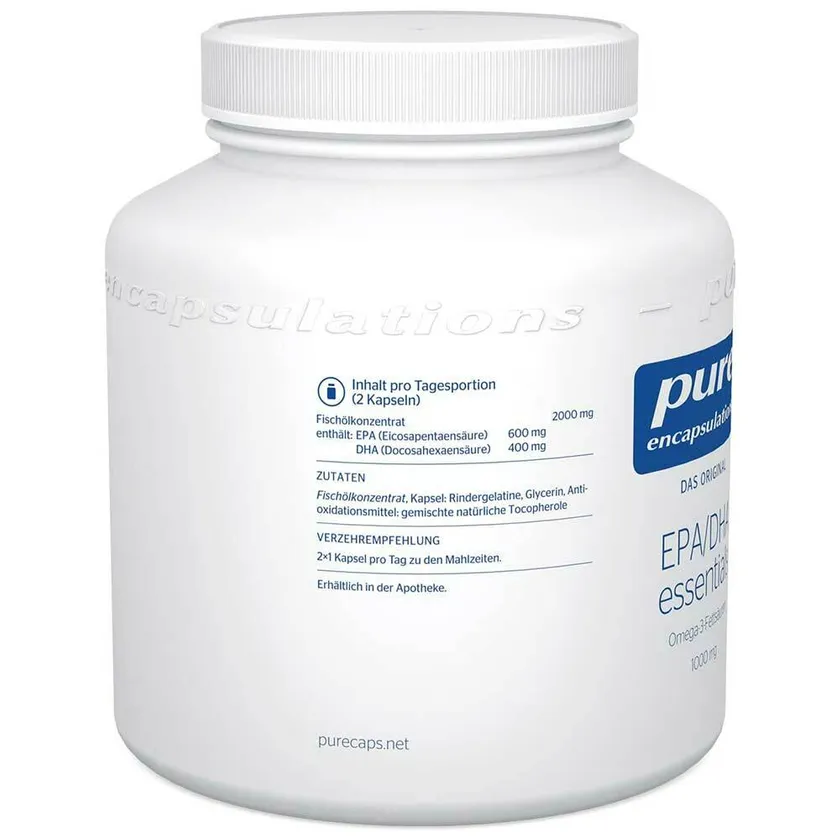
Fish oil supplements can be a great option also. I like the brand PURE.

If your goal is reducing cellular inflammation than the EPA (Eicosapentaenoic acid) has to be higher than the DHA (docosahexaenoic acid)

7. Extra Virgin Olive Oil

Extra virgin olive oil contains an antioxidant called oleocanthal that has anti-inflammatory effects. In one study on the Mediterranean diet, several inflammatory markers decreased in those who consumed 3 tbsp olive oil daily. The key here isn’t just any olive oil, but extra virgin. Look for ones packaged in dark glass bottles to help protect their delicate properties. Also, Linseed oil is a great oil but be aware that it should never be heated. Just drizzle over your salad. Yum!

Extra virgin olive oil and coconut oil are the primary oils I use in my kitchen for cooking and whipping up salad dressings. Enjoy uncooked in vinaigrettes or drizzled over soups and pastas, or use for sautéing — just don’t let the heat get too high or the oil to start smoking or burning.

8. Avocado

I love Avocados. The are rich in heart-healthy monounsaturated fats, fibre, potassium and B vitamins, avocados also contain unique compounds that have been shown to help reduce inflammation in the body. I love them in Guacamole, just plain with a bit of salt or sliced up on a slice of bread with salt and pepper.

9. Tomatoes

Tomatoes are high in vitamin C and lycopene, two antioxidants with impressive anti-inflammatory properties. Lycopene may be particularly beneficial for reducing pro-inflammatory compounds related to several types of cancer. And heads up — lycopene is increased when tomatoes are cooked, so enjoy your tomato sauce!

10. Ginger

Ginger is such a wonderful plant. Not only does it add an incredibly unique, zesty flavour to a variety of recipes, it contains anti-inflammatory and antioxidant compounds, most notably gingerol, a main bioactive compound that’s responsible for its medicinal properties.

Ginger is also great for digestion by enhancing gut motility and easing nausea or an upset stomach. Add freshly grated ginger with lemon to hot water for a warming drink, or enjoy ginger tea!

11. Green Tea

Green tea is my favourite tea! You can enjoy it from a teabag or as matcha green tea powder. I adore matcha. Enjoy green tea in the morning instead of coffee!

Many of the benefits of green tea are due to the antioxidant and anti-inflammatory properties, particularly epigallocatechin-3-gallate (EGCG). EGCG inhibits inflammation by reducing pro-inflammatory cytokine production and damage to cells.

Matcha also contains L-theanine, a relaxing amino acid that can help offset the caffeine content, making it energizing but not too overstimulating.

12. Turmeric

Turmeric contains an active constituent called curcumin that’s responsible for its bright yellow colour and gives it its powerful anti-inflammatory effects. Use it when you cook together with black pepper (freshly grinded is best) because the inflammatory effects are enhanced.

Turmeric can be purchased in its whole root form, or in powder (that’s how I usually use it). It can easily be added to smoothies or cooked in a variety of dishes, like curries and stir fries. I enjoy it in a golden milk latte.

.It is OK to not be Ok.

Another lockdown. New rules and regulations and nobody knows what is really going on anymore. Vaccination will be mandatory? Am I still able to decide what is going into my body? I guess not because new rules will be implemented this week. Or next week.…

. Magnesium 101.

You may have heard of magnesium before, but what exactly is it? Is it something you should get more of in your diet? What about supplementation? In today’s post, I am going to share with you what magnesium is, the benefits, signs of deficiency, and…

.Virus Alert.

There are people and there are people when it comes to getting a cold. Some are toughening it out. Some take a cold like a pro. Some cry in the corner if they have a mild flu. Some act like they have Ebola. Usually, and B.C. (before Corona), when I had a cold, I would bring my son to school, go to work, avoid close contact with colleagues, take tons of Vitamin C, B, D, do laundry, go shopping, meal-prep for the next few days, and prepare dinner. For some reason, things just kept going and I was usually fine after one day of rest thanks to my amazing immune system.

I would also lay in bed and rest for a couple of hours when I really feel horrible but this rarely happened (knock on wood). So, that time, last year in November, I caught a cold like never before. And guess what? It was NOT Covid. I got Covid in April and it felt like a cold with a bit more coughing (glad I quit smoking). But this monster of a cold hit me right after I came back from visiting my parents in Germany. And it knocked me off my feet. It was a cold mixed with hilarious amounts of please-take-care-of-me-and-feel-so-sorry-for-me dramatics. I needed constant attention and care, I was vocal about my concerns about not pulling through, and any ache or pain was a reason to stay in bed. Does this sound familiar? Below are my stages through the worst cold I have ever had. Obviously, with a grain of sarcasm, irony, and exaggeration because this is just me.

  • The pain was unbearable. I talk about sore muscles! You could never imagine the way MY MUSCLES ACHE! Nobody’s muscles EVER ached that way!
  • The Dramatic Moans Begin. You can hear me loud and clear from the other side of the house. The moans, groans, and whining are a symphony of drama.
  • I Swear that I am Burning Up. If I had to check if I have a fever one more time, I might go insane.
  • My Speaking Ability Gets Compromised. The raspy voice set in early on and progressed rapidly. Thankfully, someone loved me and made lemon/ginger/honey tea.
  • The Nose Gets Extra Sensitive. All that nose blowing sure irritated my delicate skin even though I had a year-supply on soft tissues. Try to find the ones with moisturising lotion or my nose might just fall off! Get those stupid soft tissues in a huge bulk.
  • The Demands Multiply. Sick me is massively needy. I couldn’t reach the remote that was one meter away from me, and I did decide I want that homemade chicken soup after my friend had finally sat down on the couch. Don’t you dare give me a bell to ring, because I will sure overuse it!
  • At the Pharmacy. Pharmacy list that someone needed to get for me: Cough drops, daytime and nighttime cold medicine, tea, anything and everything herbal, and nose spray. Actually, everything they sell in there. Just in case.
  • Paralysis May Set In. At some point, muscle aches may turn to paralysis. I said, “Ugh, I can’t move!” It took me forever to get my blood flowing by walking from the couch to the bed.
  • I Insisted that I am Dying. As if the dramatisation hasn’t been enough at this point, at the height of the cold, I swore I am dying. But I was surprised how quickly I came back to life when my friend said he will meet me for a kitchen session and the white wine is chilled.

This is the time when we all should take extra care of ourselves. Curl and cosy up inside, drink tea, eat warm soups, read, watch good movies, and light a candle while the snow begins to fall down silently covering the world in white.

Stay healthy, peepz.

.How to: Intermittent Fasting.

These days, word is slowly spreading around that I am “into food and healthy stuff”. So, as announced last week, I will post weekly health articles on Wednesdays. I received some article requests recently about intermitted fasting and if it is possible to write an…

.Be my K1 or The PCR Test.

Hey my friend. Why do you look so frustrated? Oh, it is the pandemic and the dumb new rules. Do not beat yourself up about this. It is totally okay that you snoozed your alarm and slept past 10 am on a Friday. You still…

.The Importance of Vitamin D3.

Although I love cozy fall and winter evenings, I do reach a point where I eventually begin to feel a little deprived of some bright, warm sunlight, and rightly so, we need it! Vitamin D carries out some pretty big roles in our body. Today, I want to share why this vitamin is so integral to your health and why it can be extra important to supplement during the fall and winter. Especially now in this crazy pandemic which makes me wonder why nobody mentions supplements and healthy food choices to boost your immune system but to rather receive a 100 Euro gift certificate and a sausage if you get the vaccine? Just wondering…. but this is me.

What is Vitamin D?

Vitamin D is a fat-soluble vitamin. It actually acts more like a hormone in our body than a vitamin and has countless important roles because nearly every tissue type in our body has a vitamin D receptor. This means having adequate vitamin D levels is crucial for good health and the function of many different systems in our body.

Sunshine is what enables our body to manufacture Vitamin D. It is made from the cholesterol in our skin when we’re exposed to sunlight. Unfortunately, these upcoming months, we don’t get a whole ton of sun. Let’s explore what some good old vitamin D does for us!

Health benefits of Vitamin D

Bone Health

It’s well known that vitamin D is essential for bone health. One of its main roles is stimulating and controlling the absorption of calcium. It helps draw calcium into the bloodstream and increase its absorption from our intestines.

Vitamin D also works synergistically alongside magnesium and vitamin K2 for optimal bone health. Vitamin K delivers calcium from the bloodstream to bones and teeth and helps remove calcium deposits found in soft tissue.

Immune Health

The sunshine vitamin supports our immune system and actually helps activate the T cells in our body. These cells seek out and destroy different bacteria and viruses that can cause colds and flu. In fact, a study in 2010 found that vitamin D3 supplementation during winter may help reduce your chances of catching the flu.

Mental Health

Vitamin D helps to activate our “feel good” neurotransmitters, including serotonin and dopamine. This can be especially helpful for those who suffer from Seasonal Affective Disorder (SAD) where a lack of sunlight has an adverse effect on mental health. It also helps maintain our nervous system and may help boost mood in those with depression.

Blood Sugar & Diabetes Management

Vitamin D can help support insulin levels and even diabetes management, including Type 1 and Type 2. According to research, 2000IU of vitamin D may help reduce the risk of Type 1 Diabetes. There was also a that study found low levels may increase risk of Type 2 Diabetes.

Cardiovascular Health

Vitamin D can even support your heart and reduce your risk of heart disease.

Cancer

There was a study that found participants’ cancer risk cut by 60% in those getting 1100IU per day, alongside calcium. How amazing is that?! Sufficient vitamin D levels in the body may also help reduce the risk of total rates of rates, including colorectalprostate, and breast cancer

How to boost your Vitamin D Levels

Food & Lifestyle

Get sunshine on your skin (being nude outside in the sun is the best, obviously not now!) and enjoy dark coloured mushrooms, eggs, and fish like sardines, herring and mackerel, or a cod liver oil.

Those of you living in cooler climates with limited sun exposure during parts of the year usually need a bit of a boost. Many people can benefit greatly from supplementing with this sunshine vitamin during the fall and winter months.

Supplementation

There are two kinds of vitamin D you can take as a supplement: vitamin D3 (cholecalciferol) and vitamin D2 (ergocalciferol).

D3 is derived from lanolin—the oil found in sheep’s wool—while D2 is a plant-based source. D2 is a popular choice amongst vegans and vegetarians, however if possible, I recommend opting for D3 as it’s easier for the body to absorb.

You can take vitamin D in a liquid, soft gel, or tablet form. Vitamin D is fat-soluble and is therefore better absorbed when taken as liquid or encapsulated in an oil, as opposed to a hard, chalky tablet. Vitamin D absorption is best when taken with food.

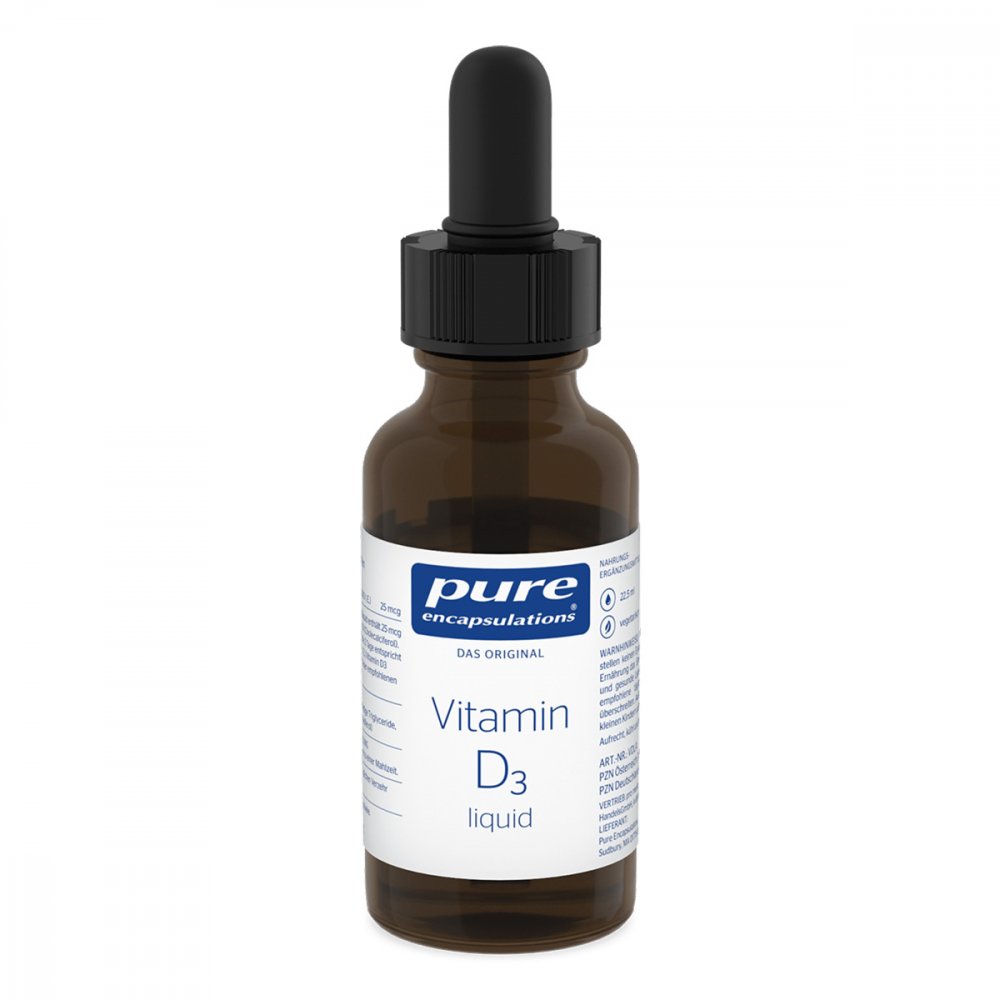
Dosages vary depending on individual needs, but a safe amount to start with is 1,000IU, although many people require much more than that. Be sure to speak with your health care practitioner for the appropriate dose. Below you see the Vitamin D3 I currently take. My personal dosage in the cold, dark fall and winter months is about 5-10 drops daily. Sometimes 15 drops a day for 3 days in a row if I my throat is achy or itchy. With this dosage I feel awesome, awake, and haven’t had the flu this season (knock on wood). My current Vitamin D Level is at 89% which is pretty good. Most people are deprived of Vitamin D and have Levels of 7-8 % or even below.

Are You Low in Vitamin D?

Low levels of vitamin D are more common than people would think. Dry skin, depression, osteoporosis, and conditions such as diabetes, heart disease, and even cancer, can be signs of low deficiency. A lowered immune function—such as frequent colds or flu—can also be implicated in vitamin D deficiency. Be sure to get your levels checked if you are concerned.

Stay healthy and let me know if you have questions.

.How to: Chia Pudding.

Many of you probably don’t know that I am a Certified Holistic Nutritionist who graduated from the Institute of Holistic Nutrition in Ottawa, Canada. I love everything health-related and cooking. Today, I would like to share two desserts that are very easy to make, taste…


Follow by Email
Instagram